The legacy of César Chavez, a prominent figure in the labor rights movement, is facing scrutiny as allegations of sexual abuse surface involving him and other women, including Dolores Huerta. These claims have cast a shadow over Chavez's historical contributions to the rights of farmworkers.
Chavez, who passed away in 1993, co-founded the National Farm Workers Association with Huerta in 1962, later evolving into the United Farm Workers (UFW). This organization played a pivotal role in improving labor conditions for agricultural workers across the United States.
In light of the allegations, several events honoring Chavez planned for this month have been canceled, as communities grapple with reconciling his contributions to labor rights with the unsettling accusations against him. Huerta and others who worked closely with Chavez have voiced their concerns and called for accountability.
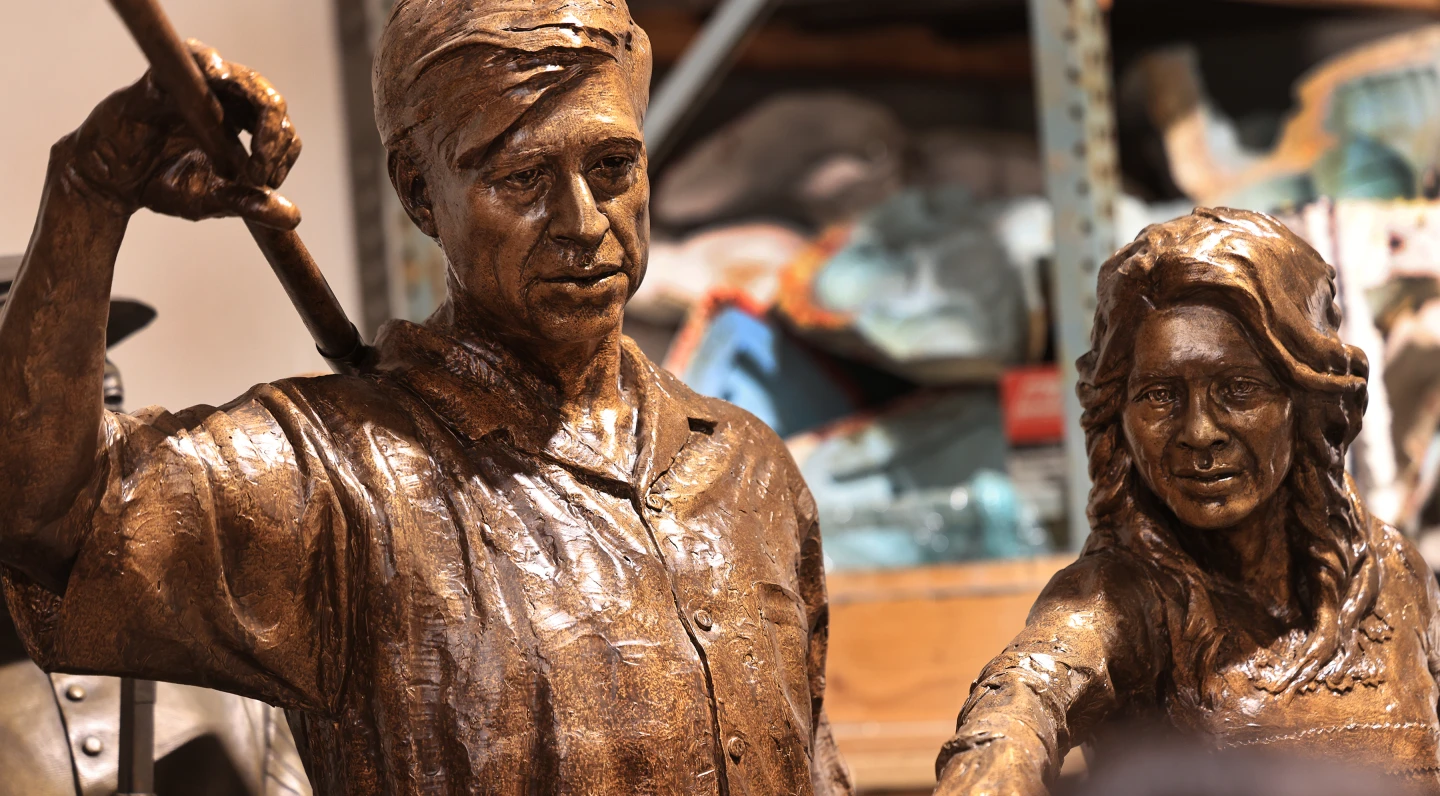
Historically, Chavez's advocacy led to significant changes such as the establishment of collective bargaining rights for farmworkers in California, which was unprecedented. His work resulted in improved wages, better working conditions, and the prohibition of harmful agricultural practices, including the use of short-handled hoes.
While those in the labor movement like labor history professor Paul Ortiz laud Chavez's efforts, he acknowledged the deep emotional impacts the recent allegations have had on many involved in the movement. The complexities surrounding Chavez’s legacy pose a challenge for those who aim to honor the contributions of labor rights activists while also addressing issues of personal misconduct.
Dolores Huerta, now 95, remains a vital figure in the fight for farmers' rights. Her own story includes being jailed for protesting, advocating for women's rights, and coining the well-known phrase “Sí, se puede” during the farmworker movement. Like many others, Huerta is now faced with the challenge of reconciling the impact of Chavez’s work with the troubling allegations against him.
The outcome of these allegations may change how generations view the legacy of two icons of the labor rights movement who together founded an organization that significantly transformed the agricultural labor landscape in America.