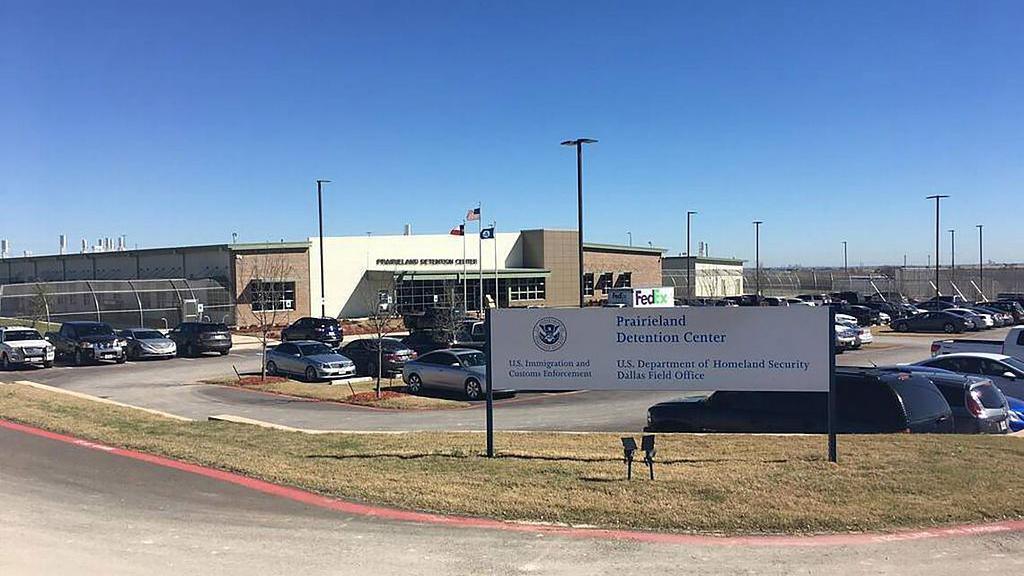
In a national crackdown, Immigration and Customs Enforcement (ICE) has ramped up arrests in several states following controversial operations that include aggressive tactics and severe public backlash. Cities like Minneapolis have seen a notable increase in ICE presence, where motorists have recorded unexpected and forceful encounters with immigration officials.
Turn and burn, is how Gregory Bovino, a top Border Patrol commander, described the aggressive strategy employed during this period, leading to thousands being detained weekly across Texas, Florida, and California.
Statistics indicate that ICE arrests peaked at nearly 40,000 nationally in December. However, following tragic incidents in January involving U.S. citizens being killed by immigration officers, public sentiment shifted significantly, highlighting serious concerns over the operational methods used by ICE.
As a response to these events, ICE arrests reportedly dropped by 12% post-January, and an average weekly number of arrests decreased significantly thereafter. While some states, such as Kentucky and Indiana, documented increases in arrests, others like Minnesota and Texas experienced declines.
Polling indicates a growing opinion among the public that operations in Minnesota were excessively forceful, a perception likely contributing to the departure of key figures within the Department of Homeland Security in early March.
Despite the Trump's administration’s narrative of targeting dangerous criminals, an analysis reveals that nearly half of those arrested during the intensified operations had no prior criminal record. These statistics underscore the ongoing complexities and potential misalignments regarding ICE's stated objectives versus the reality of its arrests.
As advocates reflect on these developments, Aaron Reichlin-Melnick from the American Immigration Council notes the need for continued scrutiny and cautious optimism about lower arrest rates, emphasizing it may be premature to conclude a permanent shift in enforcement strategy.
The landscape of immigration enforcement remains fraught with tension, as the balance between community safety, national interests, and human rights continues to evolve amidst these aggressive practices.