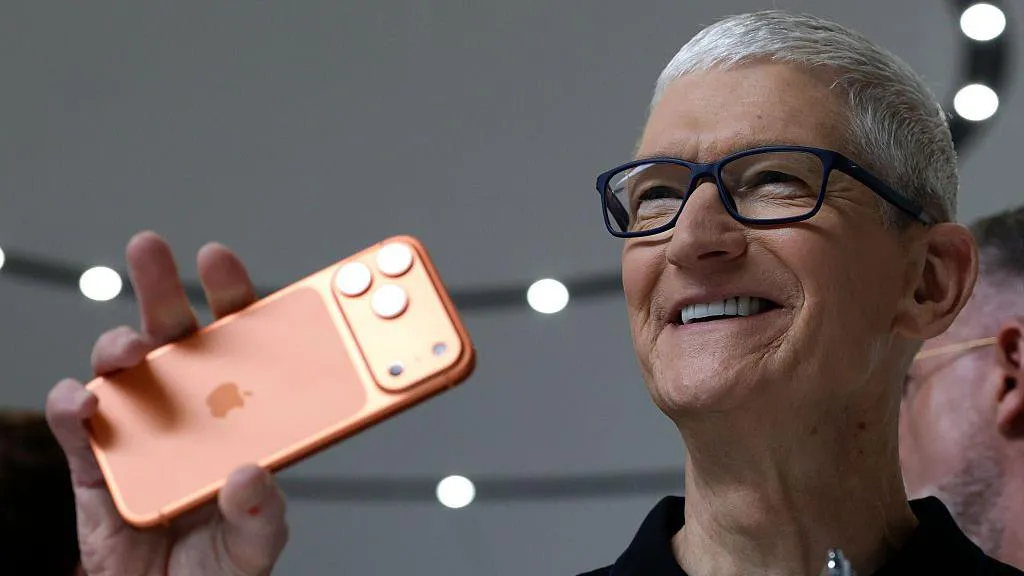
Apple has warned that it will raise product prices next year as the cost of the memory chips it relies on has surged, a direct consequence of the AI boom and supply bottlenecks.
Tim Cook, the company’s outgoing chief executive, told the Wall Street Journal that the price increase is "unavoidable" and that the situation around memory chips has become "unsustainable". He said Apple has tried to shield customers but the influx of costs cannot be absorbed.
AI-powered devices demand far more DRAM and NAND than before, pushing prices up by more than a factor of two in some segments since October 2025. Expo researchers noted the price of RAM has doubled, while helium shortages—crucial for semiconductor production—add another layer of expense.
The impending price hike raises questions about the next iPhone rollout. While Cook didn’t specify which models will be affected, analysts project that the iPhone 18, slated for September, could carry an extra $150 in cost driven by AI-ready chips.
Other manufacturers are feeling the pinch. Samsung forecasts higher memory costs to raise electronic device prices, Sony has lifted PlayStation 5 prices by $100, and Nintendo is set to increase the Switch 2 price from September.
Omdia’s recent analysis shows the average global smartphone price could climb 20% by 2026, making the Apple new line an inevitable part of a broader industry trend. The company’s pricing move—though not a temporary spike—mirrors the sector’s struggle to balance advanced capabilities with supply realities.
As Apple transitions leadership to John Ternus this September, the discussion of chip costs and pricing will remain central to its strategy. The next‑generation devices are expected to support cutting‑edge AI, and any cost pass‑through will likely affect consumer demand and expectations.
In summary, the price increase reflects a broader chip‑shortage crisis, amplified by AI demand and geopolitical disruptions, and will shape consumer pricing strategies across the tech industry.