China targets ghost kitchens to curb food delivery price wars
Chinese regulators have launched a nationwide probe into so‑called ghost kitchens—virtual restaurant listings that do not have a physical storefront—because their low prices threaten food safety and fuel fierce competition among app‑based delivery services. The investigation began after a Beijing customer complained that a cake top was covered with inedible flowers, revealing that a chain listed nearly 380 online outlets yet had no real‑world branches.
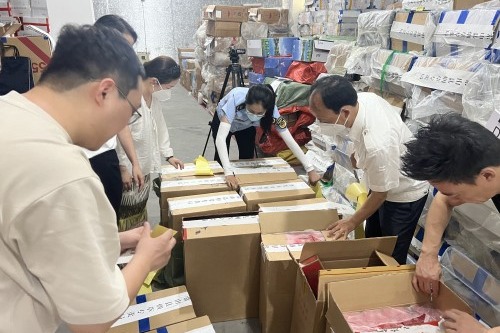
Authorities traced more than 3.6 million orders from two order‑transfer platforms, uncovering a hidden supply chain that routed deliveries to third‑party vendors who bid on the cheapest price. In total, regulators documented 67,000 ghost shops across seven major food‑delivery apps and warned that the platforms were complicit in the scheme.
Last month the State Administration for Market Regulation fined Taobao, JD.com, Meituan and Pinduoduo a combined 3.6 bn yuan (≈$530 m) for their role in the ghost‑kitchen scandal. The agency has since required apps to verify each restaurant’s licence and address, and merchants must now confirm that listings match physical stores and state whether dine‑in service is available.
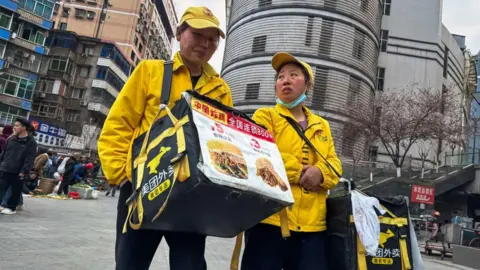
While the crackdown may increase costs for legitimate restaurants, some merchants are attempting to reassure consumers. In Hangzhou, more than 20 takeout stalls have adopted “transparent kitchens” that broadcast live streams of food preparation. In neighboring Anhui, authorities signed a food‑safety agreement with Meituan, Taobao and JD.com to deploy AI monitoring of kitchens and reward delivery riders who report illegal outlets.