Australia Confirms First H5N1 Bird Flu Case as Virus Reaches Every Continent
Australia’s agriculture ministry announced on Saturday that the H5N1 strain of bird flu was found for the first time on the continent, bringing the virus to every one of the seven inhabited continents.
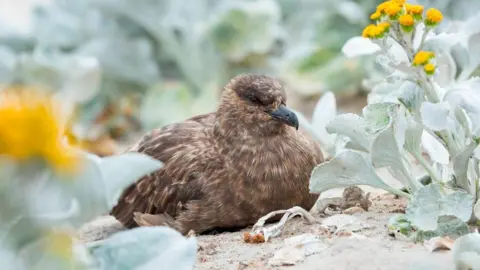
The infected bird was a brown skua, a migratory seabird, discovered on a beach at the Cape Le Grand National Park near the town of Esperance, roughly 700 km (434 mi) southeast of Perth, according to local media.
Australia was previously the only continent where the H5N1 bird flu strain had not been detected. The discovery confirms the virus’s reach across the globe and underscores the potential for rapid spread among poultry and wild bird populations.
Agriculture Minister Julie Collins told a press conference that H5N1 “can spread quickly among poultry and wild bird populations, but human cases remain uncommon.”
Collins also mentioned a second suspected case involving a southern petrel that appeared exhausted on another Esperance beach; she noted no evidence of mass mortalities at that time.
Threatened Species Commissioner Fion Fraser said authorities would know within a few days if the virus was present in other animal populations. The Chief Veterinary Officer Beth Cookson confirmed long‑preparedness, noting the emergency animal disease committee convened on Saturday.
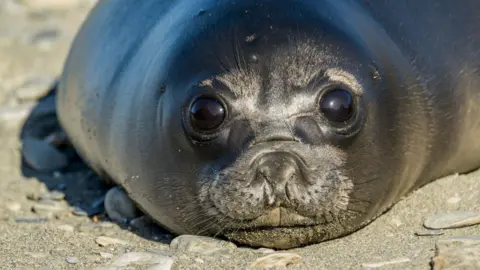
The H5N1 strain was previously detected on the remote Australian territories of the Heard and McDonald Islands last October, where the virus has killed a large proportion of seals and impacted penguin populations. Scientific studies estimate that over 13,000 baby seals from a group of 17,000 were lost since August last year, a loss exceeding 75% of the population.
Researchers believe the virus was likely introduced to the islands last August from migrating birds originating from the French‑owned Crozet Islands, about 1,800 km away.
H5N1, a subtype of influenza that emerged in China in the late 1990s, can infect a range of animals—including foxes, seals and otters—though incidental human infections are rare, typically arising from close contact with infected wildlife or poultry.