Book Scrapped over Controversial Comments
In a dramatic turn of events, The University of Queensland Press (UQP) has pulled a highly anticipated children's book, 'Bila, A River Cycle', written by Indigenous poet Jazz Money and illustrated by Matt Chun. The decision stemmed from comments made by Chun regarding the Bondi beach shootings, declared by the publisher to be in violation of their anti-antisemitism policy.
The illustrator's comments have sparked a backlash among Australia's literary community, prompting several authors to sever ties with UQP, amidst accusations of political censorship. As a result, thousands of copies of the book, which had been printed, are now in storage, with the press considering recycling options.
The Context of the Controversy
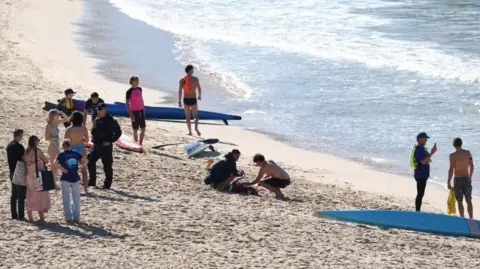
In his essay published on his public Substack, Chun critiqued the public's reactions following the tragic Bondi beach shooting that resulted in the deaths of fifteen individuals during a Jewish festival on December 14. His writings highlighted the media's treatment of the incident and the supposed pretenses of the Australian left regarding antisemitism.
Among the victims were key figures from the local Chabad mission, including Rabbi Eli Schlanger, whose reactions Chun criticized as he expressed discontent over their support of Israel's military actions.
Public Reactions and Implications
The University of Queensland deemed Chun's remarks 'abhorrent', asserting that they could not condone such views in association with the book. The announcement led to a ripple effect of discontent, with prominent literary figures including Evelyn Araluen voicing extreme disappointment over UQP's actions, declaring their intentions to withdraw future collaborations.
Jazz Money, also affected by the decision, affirms that the cancellation of 'Bila' sets a dangerous precedent allowing political sensitivities to infringe upon artistic expressions, thus echoing wider concerns about censorship in literature.
Looking Ahead
As this tempest continues to unfold, the dialogue surrounding creative freedom in the face of political critique remains at the forefront, with UQP standing firm on their decision amidst growing scrutiny from the literary community. The future of 'Bila, A River Cycle' and its authors has been thrown into uncertainty as the repercussions of this situation implicate broader conversations about the role of publishers in shaping literary discourse within Australia's diverse culture.
}