Australia reports first H5N1 bird‑flu case
12 hours ago
The Australian government has confirmed the first detection of the H5N1 strain of bird flu, meaning the virus is now confirmed on every continent. Prime Minister’s Agriculture Minister Julie Collins revealed the infection was found in a migrating brown skua found on a beach in Cape Le‑Grand National Park.
The skua, a seabird that travels across vast distances, was discovered stranded near the town of Esperance, some 700 km southeast of Perth. Officials stressed that there is no sign of mass mortalities among birds or mammals, although the minister noted a second possible case involving a southern petrel.
Australia had previously been the only continent without a local H5N1 case. The confirmation underlines the trans‑continental spread driven by migratory routes and highlights the need for vigilance in monitoring poultry and wild bird populations.
Threatened Species Commissioner Fiona Fraser said that authorities would know within days whether the virus is present in other Australian animal groups, and that an emergency animal disease committee convened on Saturday. Chief Veterinary Officer Beth Cookson added that Australia had been preparing for such an event for years.
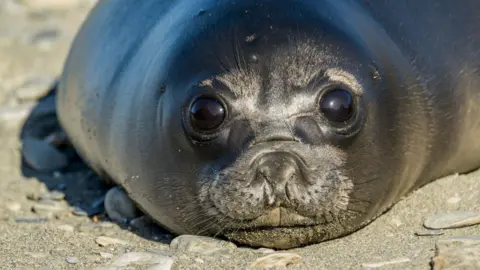
Earlier this year, an outbreak on the remote Heard and McDonald Islands killed over 13 000 baby seals—a loss of more than 75 % of the island’s seal colony—followed by increased mortality in penguin populations. Scientists attribute the island spread to migratory birds landing near the French‑owned Crozet Islands.
The H5N1 strain, first identified in China in the late 1990s, has a reputation for rapid spread among birds. Human cases remain exceptionally rare, generally arising from close contact with sick animals. Nonetheless, global authorities continue to monitor the situation, especially with the potential for pandemic escalation given the virus’s history and widespread presence.