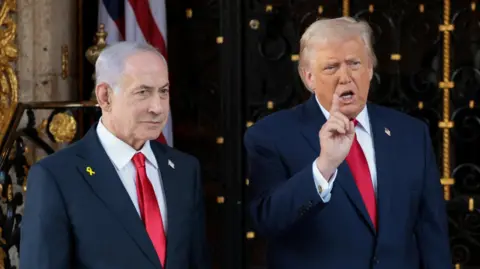
In the weeks leading up to the U.S. elections, voices in Tehran are increasingly focused on the electoral stakes. With Donald J. Trump seeking a second term, opinions are divided yet nuanced among shopkeepers, journalists, and citizens. The last Trump administration saw the withdrawal from a crucial nuclear agreement in 2018, which led to drastic sanctions and severe economic strain in Iran. His insistent focus on Iran and Israel intensified the tensions.
Yet, a sense of pragmatism permeates the discussions. Many Iranians perceive Trump's unpredictable nature as potentially opening doors to new negotiations, contrasting this with the prospect of a Vice President Kamala Harris, who is viewed as continuing the current administration's policies.
Farhad, a 34-year-old English tutor, encapsulated this sentiment by saying, “Since he wants to be the one to ‘Make America Great Again’ and he sees himself as a man of negotiation, maybe he will negotiate.” Conversely, there are lingering fears surrounding Trump's stance on Iran's adversarial relationships, especially with Israel — a factor that complicates the potential for diplomatic solutions.
These conversations reflect a landscape where the stakes of the U.S. election are intimately connected to the futures of everyday Iranians. The hesitance to hope fully for a favorable outcome remains palpable. Still, as the days draw closer to the U.S. elections, many in Tehran cling to the prospect of change, however uncertain it may be.
Yet, a sense of pragmatism permeates the discussions. Many Iranians perceive Trump's unpredictable nature as potentially opening doors to new negotiations, contrasting this with the prospect of a Vice President Kamala Harris, who is viewed as continuing the current administration's policies.
Farhad, a 34-year-old English tutor, encapsulated this sentiment by saying, “Since he wants to be the one to ‘Make America Great Again’ and he sees himself as a man of negotiation, maybe he will negotiate.” Conversely, there are lingering fears surrounding Trump's stance on Iran's adversarial relationships, especially with Israel — a factor that complicates the potential for diplomatic solutions.
These conversations reflect a landscape where the stakes of the U.S. election are intimately connected to the futures of everyday Iranians. The hesitance to hope fully for a favorable outcome remains palpable. Still, as the days draw closer to the U.S. elections, many in Tehran cling to the prospect of change, however uncertain it may be.