Canada Enters Retaliatory Trade War After U.S. Tariffs Take Effect
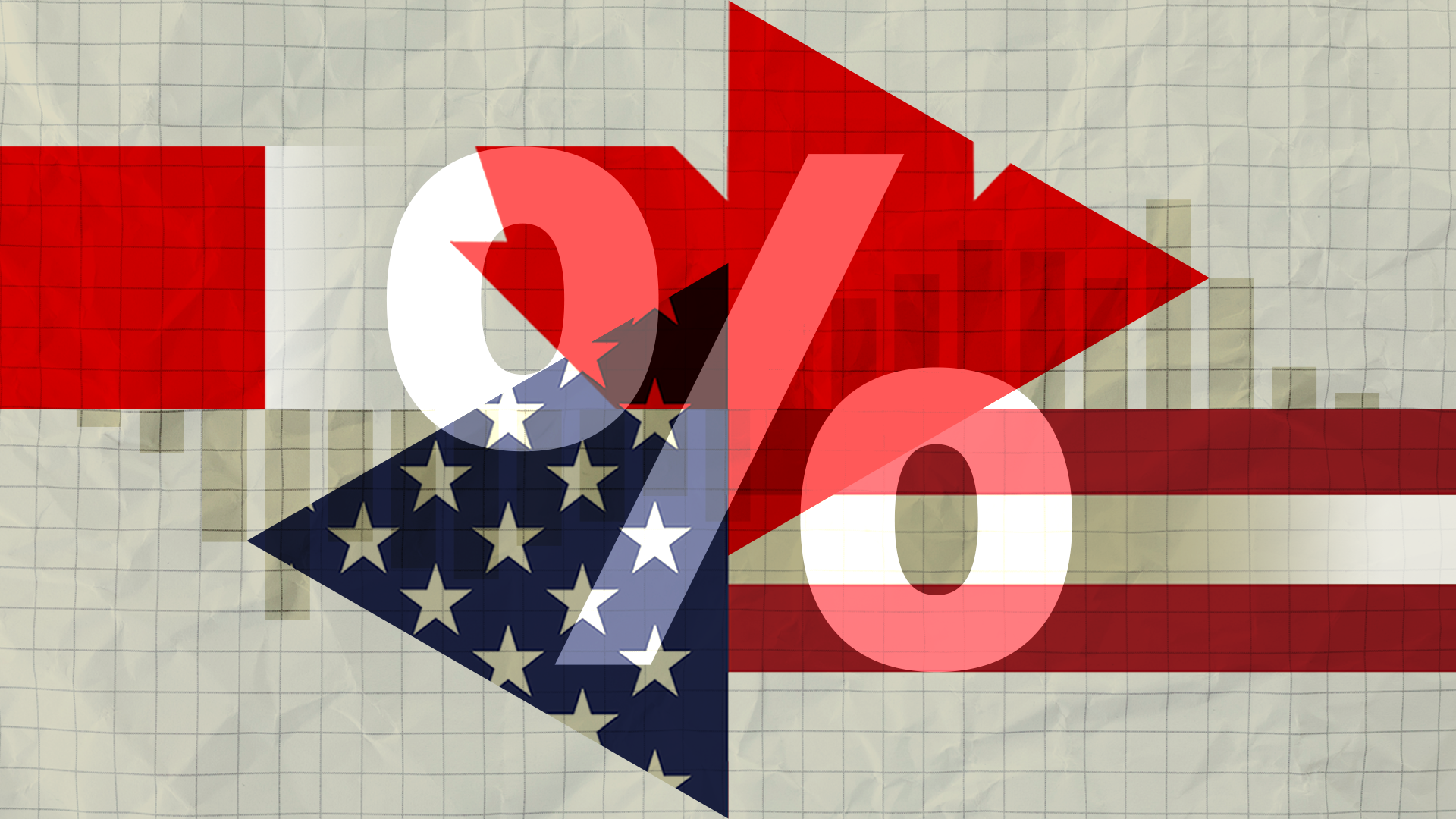
Canada’s retaliatory tariffs on a range of U.S. goods have gone into effect on Tuesday, covering nearly C$28 bn ($20 bn; £15 bn) of American products, from steel to furniture to cotton T‑shirts. Rates could reach 50% on some items.
The list also once included fresh fish and lobster, but Canadian officials withdrew those products after pressure from the seafood sector – a reminder of the delicate balance Canada has to play versus its largest trading partner.
Both governments say they wish to reach a deal. Prime Minister Mark Carney has voiced readiness to negotiate a durable agreement, while U.S. trade representative Jamieson Greer warned the U.S. is wary of further retaliation and that the ball is in Canada’s court.
Trump’s Administration has threatened to halt all U.S. business with Canadian airplane maker Bombardier unless production shifts south, a move that could cut the company’s contribution to Canada’s GDP. The firm alone adds over C$7 bn to the 2024 economy.
Industry voices caution that the counter‑tariffs will raise prices for ordinary Canadians and Americans alike, especially on everyday goods such as clothing, food and furniture. The Canadian Chamber of Commerce urges a measured approach to retaliation, though it acknowledges the dispute is likely to continue.
Despite these tensions, Canada’s economy displayed resilience: Q2 GDP grew 3.3% and it added 181,000 jobs between April and July. However, a loss of 41,000 jobs in August aligned with the new U.S. tariffs and the collapse in trade talks. Manufacturing saw a modest lift, attributed to a shift toward domestic production.
Prime Minister Carney has pledged to diversify Canadian trade away from the United States; July figures show U.S.-bound exports fell to 66% from an average of 75% before the war.