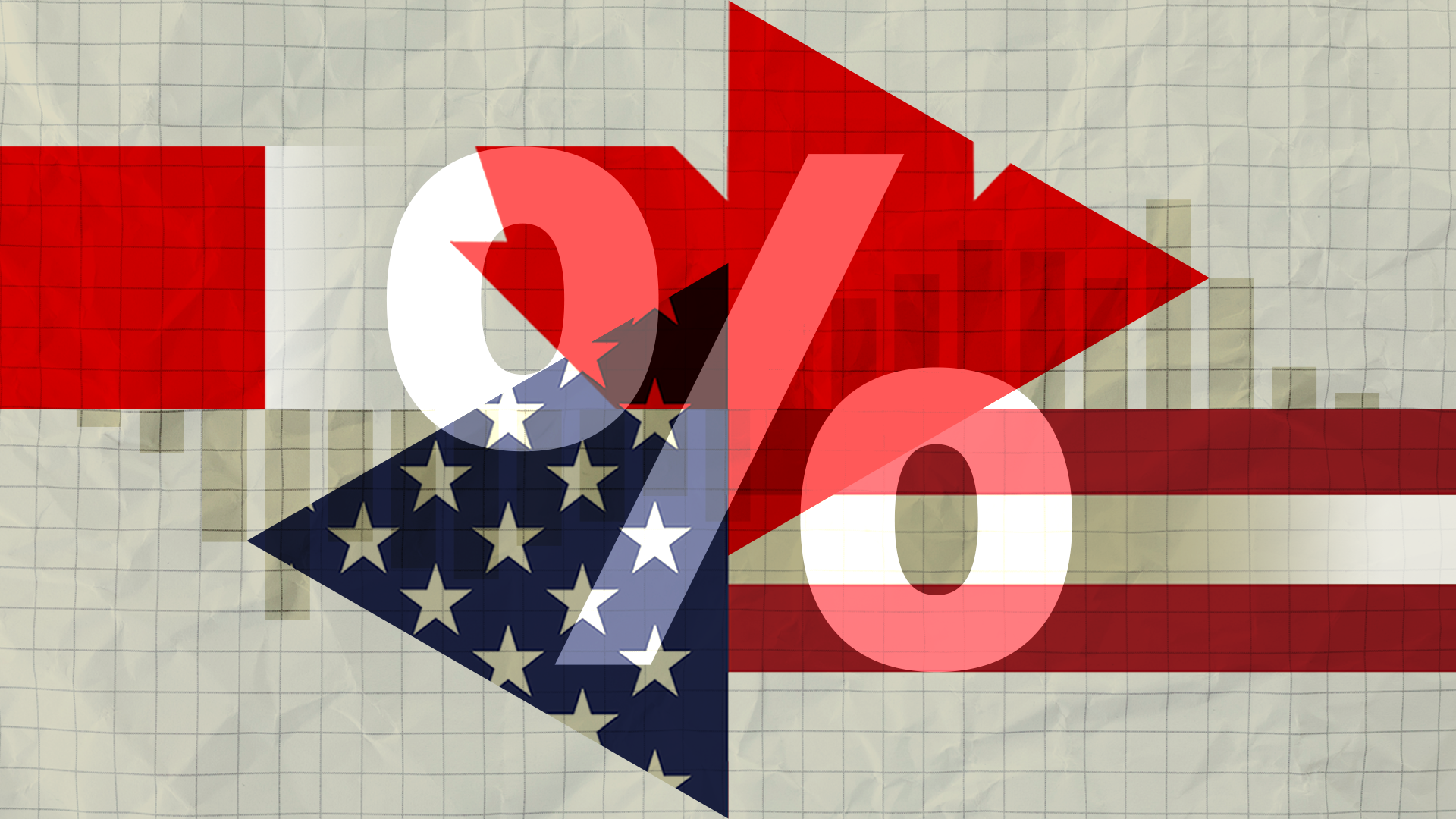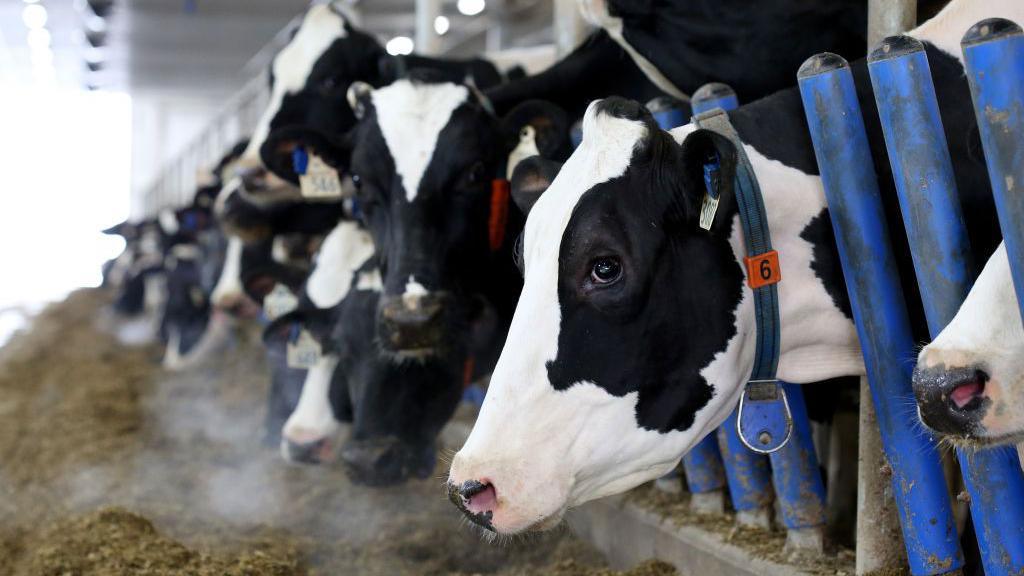
On 23 July 2026 the United States announced a 50% tariff on $20 bn of Canadian dairy, citing Canada’s supply‑management system as one of three key irritants. The U.S. government argues that Canada’s system – which sets production quotas, fixed prices and limited import quotas – is unfair to American farmers who want to export to Canada.
Canada’s federal and provincial leaders have all said they will not make concessions on dairy policy. Quebec Premier Christine Fréchette declared supply‑management non‑negotiable and federal trade minister Dominic LeBlanc highlighted the system’s role in ensuring “high‑quality dairy products” for Canadians.
The supply‑management framework, in place since the early 1970s, grants farmers set quotas and price guarantees. It permits only a small portion of foreign dairy to enter Canada tariff‑free; anything beyond the quota triggers levies of 200‑300%, essentially excluding most non‑Canadian producers.
Despite critics who view the system as an “anachronistic” barrier, the majority of Canadians—around 77 %—support it, according to recent polls. They cite its role in stabilising prices and protecting local agriculture.
Former Canadian dairy farmer David Wiens, president of the Dairy Farmers of Canada, argues that the system keeps dairy prices competitive and shields consumers from sudden price spikes, as seen after the bird‑flu outbreak that lifted egg prices in the U.S.
Opponents question the lack of awareness about the policy’s complexity, warning that any shift could erode political support for the Liberal government and cost billions in compensation. Historical examples from Australia and the EU show phased transitions were required to maintain market stability.
As the U.S. moves forward with its tariffs, Canada’s leaders face a dilemma. Maintaining supply‑management protects dairy farmers but risks trade damage, while reform could invite backlash from both farmers and voters who value food sovereignty.