A secularism law makes women feel like 'outsiders' as it heads to Canada's top court
Since 2019, a secularism law in Quebec has barred some public sector workers, like judges, police officers, and teachers, from wearing religious attire at work. Now, the country's highest court is preparing to consider its future.
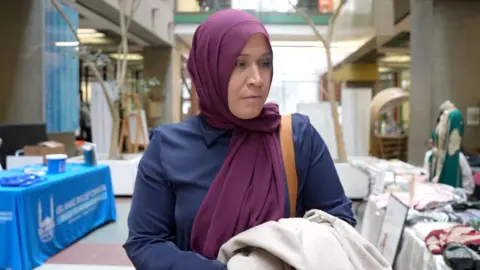
Lisa Robicheau describes her life as stuck between a rock and a hard place. The 41-year-old single mother of two, who wears a hijab, works in Montreal's English-language school system as a contract support worker for students with disabilities—a job she loves and where she is exempt from the current law.
But Robicheau can't help feeling anxious about her future and whether she will be able to continue working in a public school while being visibly Muslim in Quebec. The uncertainty has led her to enroll back in university, hoping to find a different job—or even leave the province.
I've spent the majority of my life here, but it never feels like home, she told the BBC. I am constantly being treated like an outsider.
Robicheau is one of several Muslim women living in Quebec who say their life and work have become increasingly difficult since the law—which bans religious symbols for public employees in positions of 'authority'—was implemented seven years ago.
Proponents of the law—known as Bill 21—have long argued that it upholds secularism and neutrality in Quebec public life, a concept in known as laïcité in the majority French-speaking province, and is not intended to discriminate against any one religion.
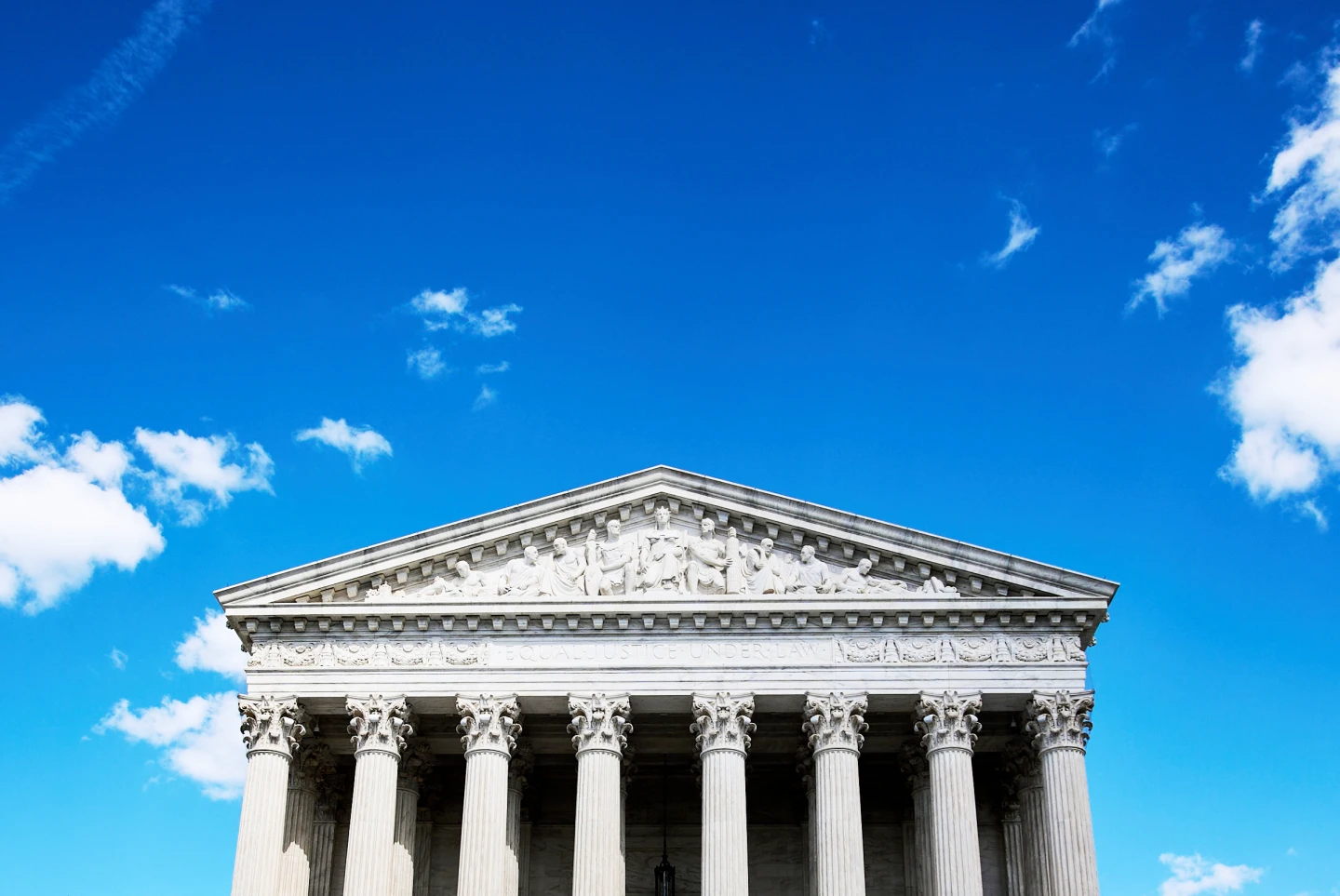
On Monday, the Supreme Court will begin a four-day hearing in Ottawa on a constitutional challenge to Bill 21. Thirteen challengers brought the case to court, including the Canadian Civil Liberties Association, the National Council of Canadian Muslims, the World Sikh Organization of Canada, and the English Montreal School Board.
Because Muslim women make up a larger share of Quebec's population than other religious minorities, they have been particularly affected. Research indicates that 73% of Muslim women felt the secularism law affected their ability to look for a job, with many considering leaving the province.
The law has been upheld by lower Quebec courts, which ruled that it is valid because the province invoked the notwithstanding clause to pass it—a provision that allows certain charter rights, including freedom of religion, to be overridden. The Supreme Court must now weigh the efficacy of this clause itself.
After years of living under the law, Robicheau expressed concerns for the future but still holds onto hope that the Supreme Court will set a national precedent that there are certain rights that are untouchable.