In brief
In a landmark case for immigration policy, the Supreme Court will deliberate on President Trump's executive order regarding birthright citizenship after lower courts have ruled against it. The implications of this ruling could affect hundreds of thousands of children born in the U.S. each year. Trump, attending as a sitting president for the first time, faces significant legal pushback as the ruling is expected this summer.
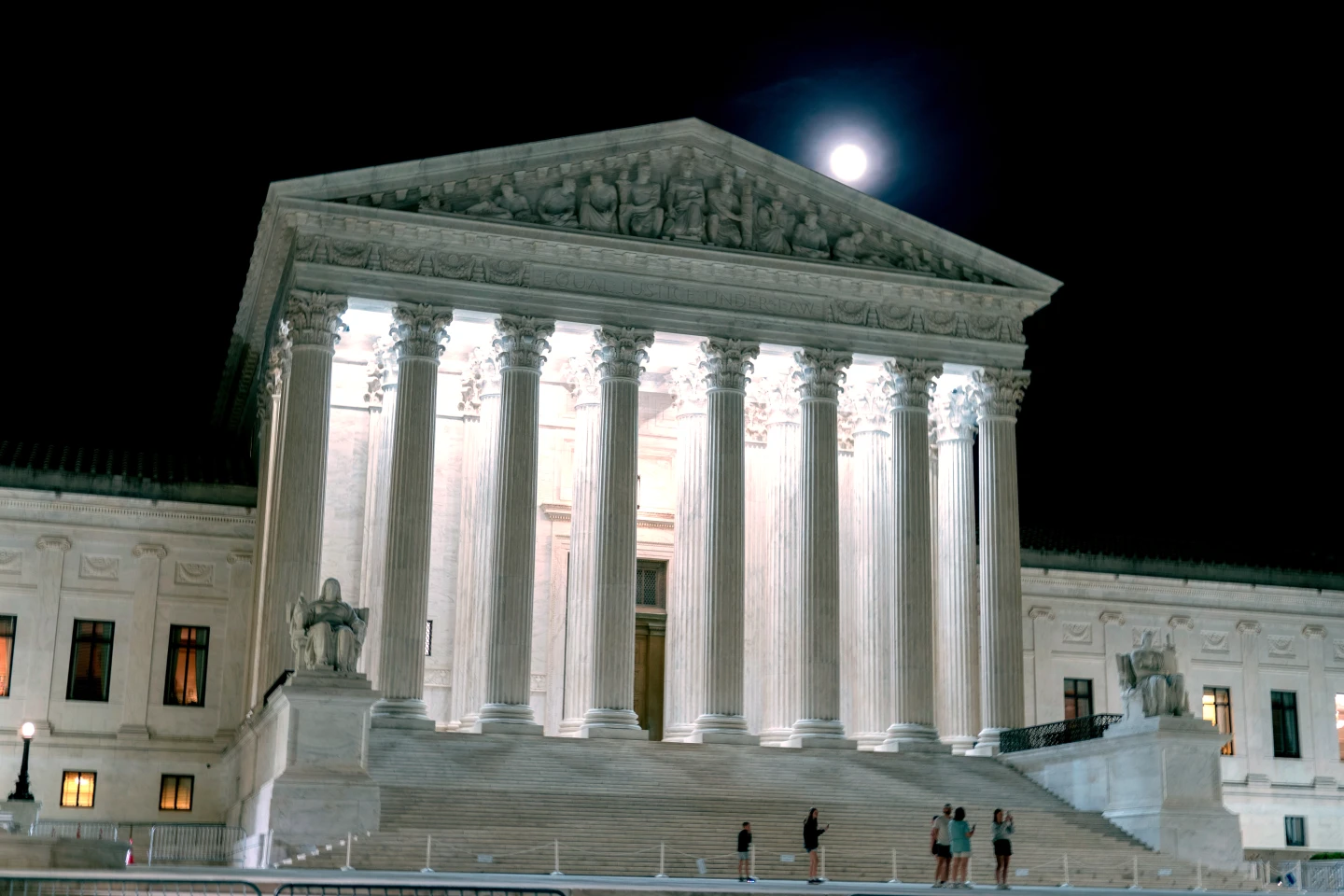
WASHINGTON (AP) — The U.S. Supreme Court will take on one of the most significant cases of the term regarding President Trump's executive order on birthright citizenship. This order declares that children born to parents who are in the U.S. without legal status are not American citizens. Trump is expected to attend the oral arguments on Wednesday, marking a historic moment as he will be the first sitting president to do so.
Lawyers will present arguments regarding Trump's appeal of a lower-court decision from New Hampshire, which had previously struck down the citizenship restrictions. These restrictions have faced numerous legal challenges since they were signed on the first day of Trump's second term.
No court has supported Trump's argument that children born to noncitizens are not “subject to the jurisdiction” of the U.S. The Solicitor General has stated that the Court should clarify what they describe as a long-held misconception regarding citizenship under the Constitution.
Lower courts’ decisions have predominantly sided against the executive order, leaning on the precedent set by the Supreme Court's ruling in Wong Kim Ark, confirming citizenship for U.S.-born children regardless of their parents' immigration status.
Trump's order potentially affects over 250,000 babies born in the U.S. annually. Critics, including the ACLU, argue that this approach to citizenship aims to radically overhaul established legal definitions.
The ruling from the Supreme Court is anticipated by early summer, with potential widespread ramifications for immigration law in the United States.