In brief
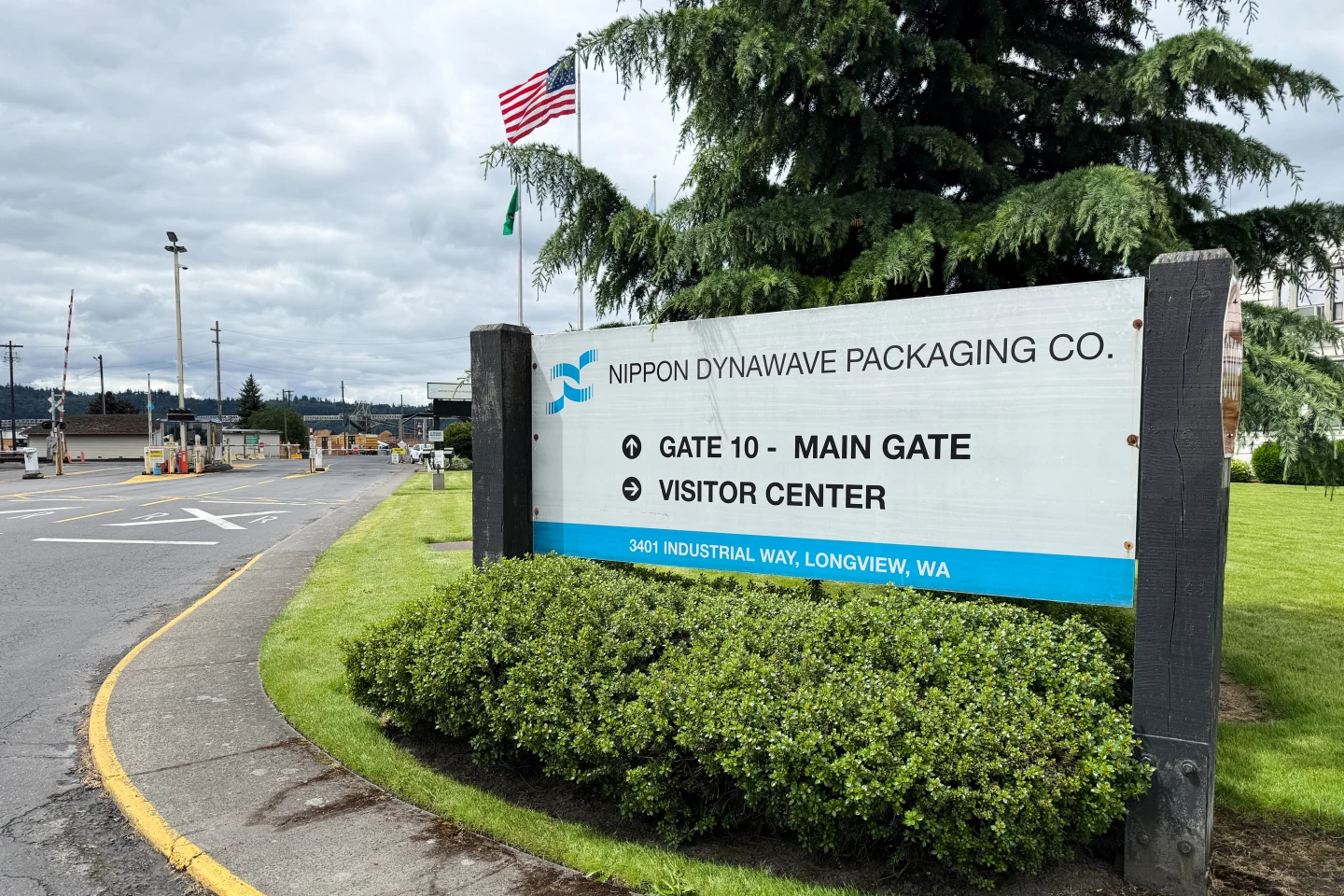
At 7:15 a.m. Tuesday, the white‑liquor tank at the Sud‑west Washington paper mill exploded, sending a toxic chemical into the air and the nearby drainage ditch. The blast caused at least ten injuries, including a firefighter, and caused fatalities whose number remains undisclosed. First responders, including local fire, paramedics, and a regional hazmat team, fought fires, decontaminated victims, and transported them to Longview and Vancouver hospitals. The incident triggered a hazardous‑material assessment from the Washington State Department of Ecology, while the plant’s 1,000‑person workforce waited anxiously at the visitor entrance for updates. The exact cause of the implosion is still under investigation, but the event underscored the dangers of storing powerful industrial chemicals. Local authorities urge residents to monitor official updates and to avoid the area until the spill is fully contained.
Longview, Wash. — At 7:15 a.m. on Tuesday, an 80,000‑gallon white‑liquor tank at the Nippon Dynawave Packaging Co. facility exploded. The powerful blast, which contains sodium hydroxide and sodium sulfide, ruptured the tank and sent a toxic chemical into the air and into the drainage ditch below.At least ten people were injured, authorities said. The injuries ranged from minor burns to critical inhalation damage. Among the wounded was a responding firefighter who sustained burns and inhalation injuries. The exact number of fatalities remains unknown; the plant and local first‑responder agencies confirmed there were deaths but have not released exact counts.Cowlitz Fire and Rescue Chief Scott Goldstein stated, “We have information on the missing, but we’re not releasing that information.” The Cowlitz County Department of Ecology sent a team to evaluate environmental impacts shortly after the incident.The 1,000‑person workforce at the facility, which produces kraft paper, cups, plates, and cartons for tissues, printing paper, and other goods, stood at the visitor entrance waiting for updates. Many withdrew for their safety, while others—one living in Oregon, some in California—awaited official communications.Battalion Chief Mike Gorsuch, who directed the incident response from the Longview Fire Department, described the scene as a “mass casualty” setting. He said first responders decontaminated patients and transported them to hospitals in Longview and Vancouver, Washington. Roughly forty firefighters, paramedics, and a regional hazmat team were on scene.The white‑liquor tank was about 60% full at the time of the implosion, Goldstein reported. “It was too early to determine the cause of the implosion,” he added as the investigation launched.In the aftermath, the Washington State Department of Ecology led an assessment of potential contamination. Brittny Goodsell, an Ecology spokesperson, said the chemical spilled primarily into a drainage ditch, prompting an environmental team to evaluate the spill’s reach.The plant’s operations have been halted pending the cleanup. Management has promised to keep employees informed as the incident unfolds.While the cause of the implosion remains under investigation, officials emphasized that “life safety concerns and incident stabilization” have become priorities.The incident underscores the importance of stringent safety protocols when handling industrial chemicals and illustrates the rapid response required when incidents occur. Officials’ve called for continued vigilance as the cleanup evolves and for an in‑depth investigation into what caused the sudden tank failure.Readers should keep abreast of official updates from the Cowlitz County Department of Ecology and the Win‑serving local authorities as the situation develops.