In brief
A fatal tank implosion at a paper‑making facility in Longview sent caustic chemicals into the air, claiming 11 lives and sending shock through a community rooted in the timber industry. The incident sparked community vigils, concerns about job security, and calls for stricter safety oversight. The town’s lifelong connection to its mills, the economic lifeblood they provide, and the families required for remediation and future safeguards, all underscore the tragedy’s immediate and long‑term impact.
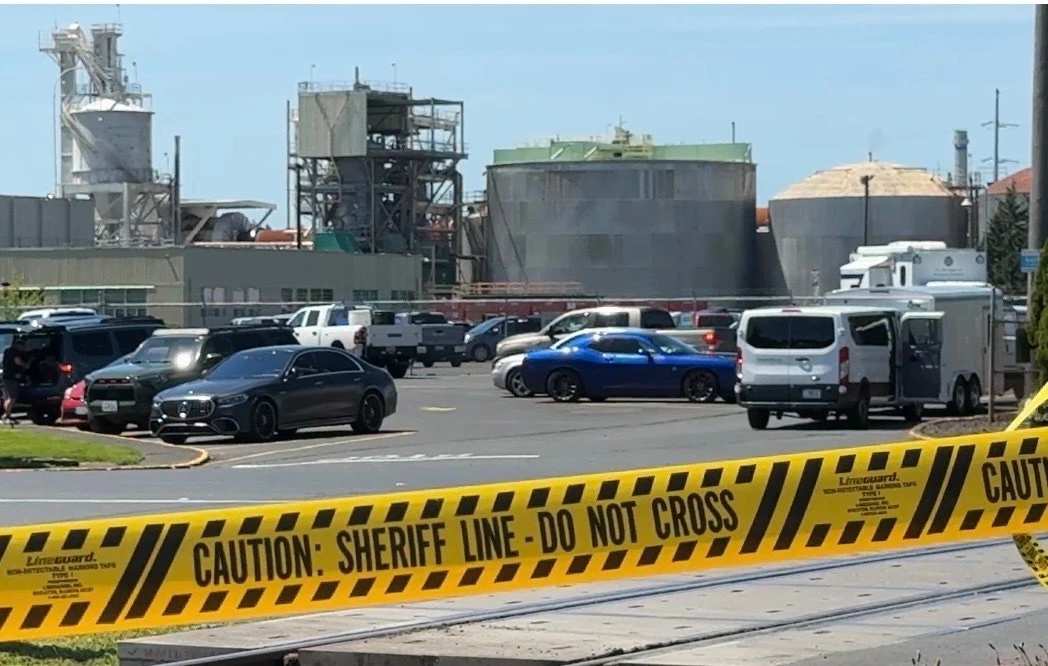
LONGVIEW, Wash.—From the window of his city‑hall office, Washington state Senator Jeff Wilson watched the dark plume that rose from a chemical tank at the Nippon Dynawave Packaging plant. The same day the plant’s caustic reservoir ruptured, 11 people were killed, a loss the senator described as “our friends and neighbors.” Wilson, who once worked at the mill for an environmental cleanup company, was one of the first to call his son—also a mill employee—to confirm he was safe.The tank burst on Tuesday morning, spilling over 500,000 gallons of a wood‑breakdown solution into the air. The chemicals were strong enough to overturn pickup trucks and damage nearby buildings, illustrating the massive scale of the failure.The accident marks one of the deadliest workplace incidents in the United States in the past decade. Longview’s identity has long been intertwined with timber and paper production: the city was founded by lumber magnate Robert A. Long, and its mills have been a source of stable, well‑paid jobs for generations.Local politicians urged the plant’s parent company, Tokyo‑based Nippon Paper Group, to transparently assess the financial impact and take immediate corrective actions. U.S. Rep. Marie Gluesenkamp‑Perez told reporters the people of the district are “proud of their jobs and do not want to lose them.”Residents echo that fear. “If you’re a waitress, a grocery‑store worker, a teacher, a para‑educator—every walk of life here knows somebody and is related to somebody from the mills,” said Cindy Stiebritz, an antiques‑store volunteer. “Those mills are the backbone of this town.”Longview’s industrial zone runs along the Columbia River and hosts a range of timber, paper and chemical facilities. From many homes, residents can see the plant’s boilers hiss or smell the sulfurous odor of pulp production; one veteran of the community described how the mills imbue the city’s sense of place.The plant, built in 1953, employs about 1,000 people and provides materials for tissues, printing paper, cups, plates, cartons, and other goods. The collapsed tank’s cause is still under investigation, but the incident has already driven fundraiser efforts for the families of the victims. Victim stories range from a grandfather who helped anyone, to a married couple where one son had become the sole provider for his partner and eleven children.Local honors and vigils at R.A. Long Square—a square named after the city’s founder—highlight how the mills have existed as a community hinge for years. The square’s park, built by Long, provides walking paths and nearby tree‑lined streets; it has since become a gathering place for public mourning.Officials at the plant emphasized that industrial work carries inherent dangers. “This is a place where real people make real things. This is not the virtual world,” said state Rep. Jim Walsh at a plant news conference. “Real things and real industry always carries risks. It’s our job to make sure that risk is well‑managed and, to the extent it can be, controlled.”Some community members demand more thorough investigations. “We hope authorities find out the cause so it never happens again,” said Stiebritz, tearful. “If anything comes out of it, I hope lives can be saved.”The tragedy has left the town feeling exposed: a sudden threat to the industrious spirit that has kept it alive for nearly 40,000 residents. The community’s resilience—told through stories of boats docking in a mill‑lit city, of families working for a living, and of new make‑smoky steam—remains a hope that the town can weather this crisis as it has many others. The future hinges on whether safety reforms can be enacted and how quickly the unique industry can recover.