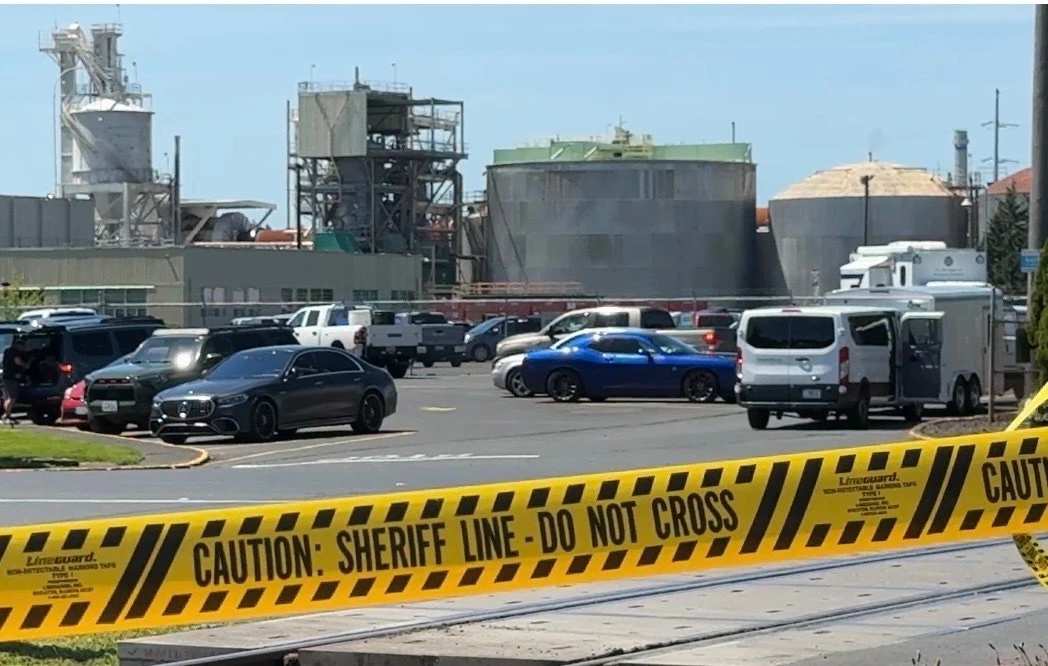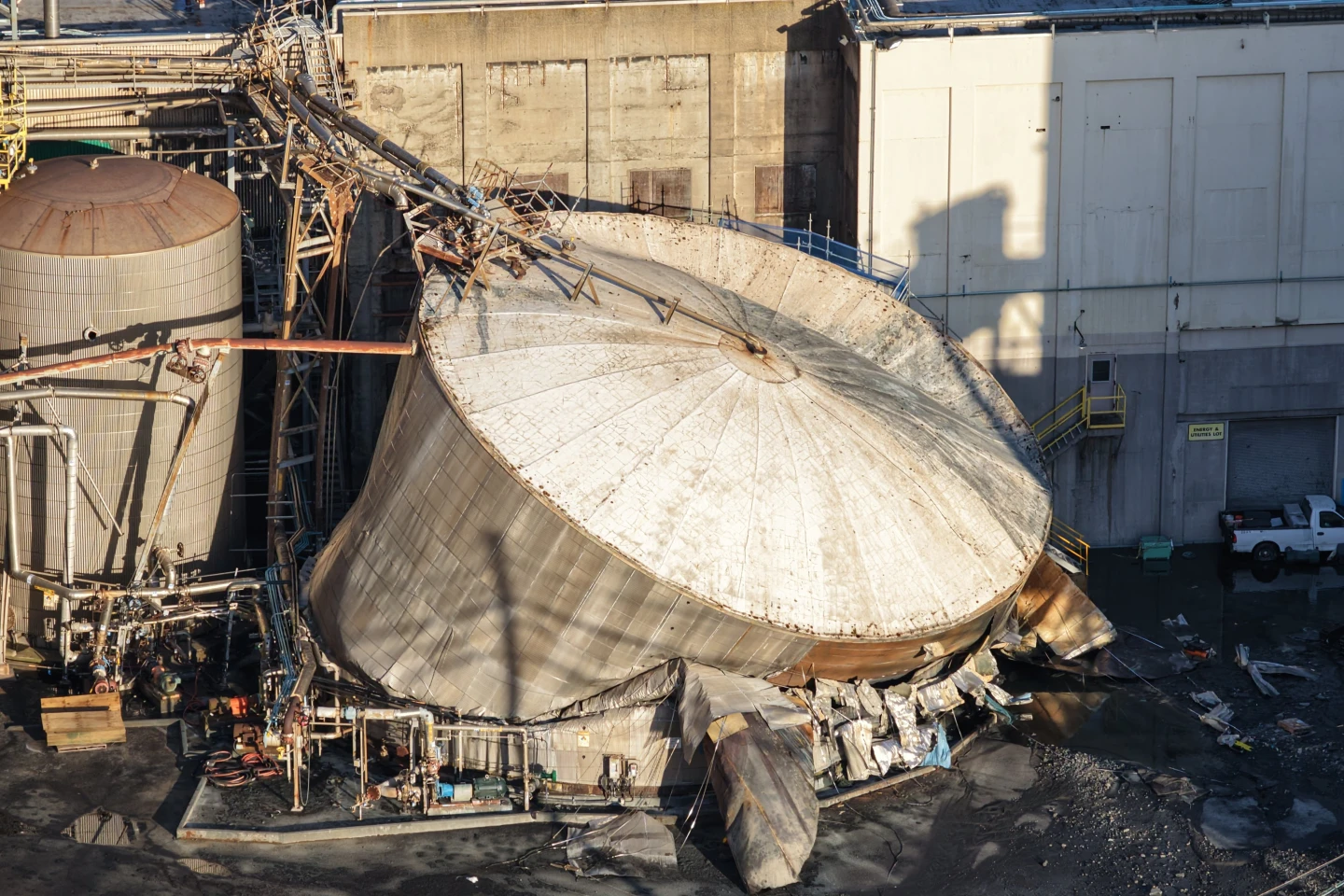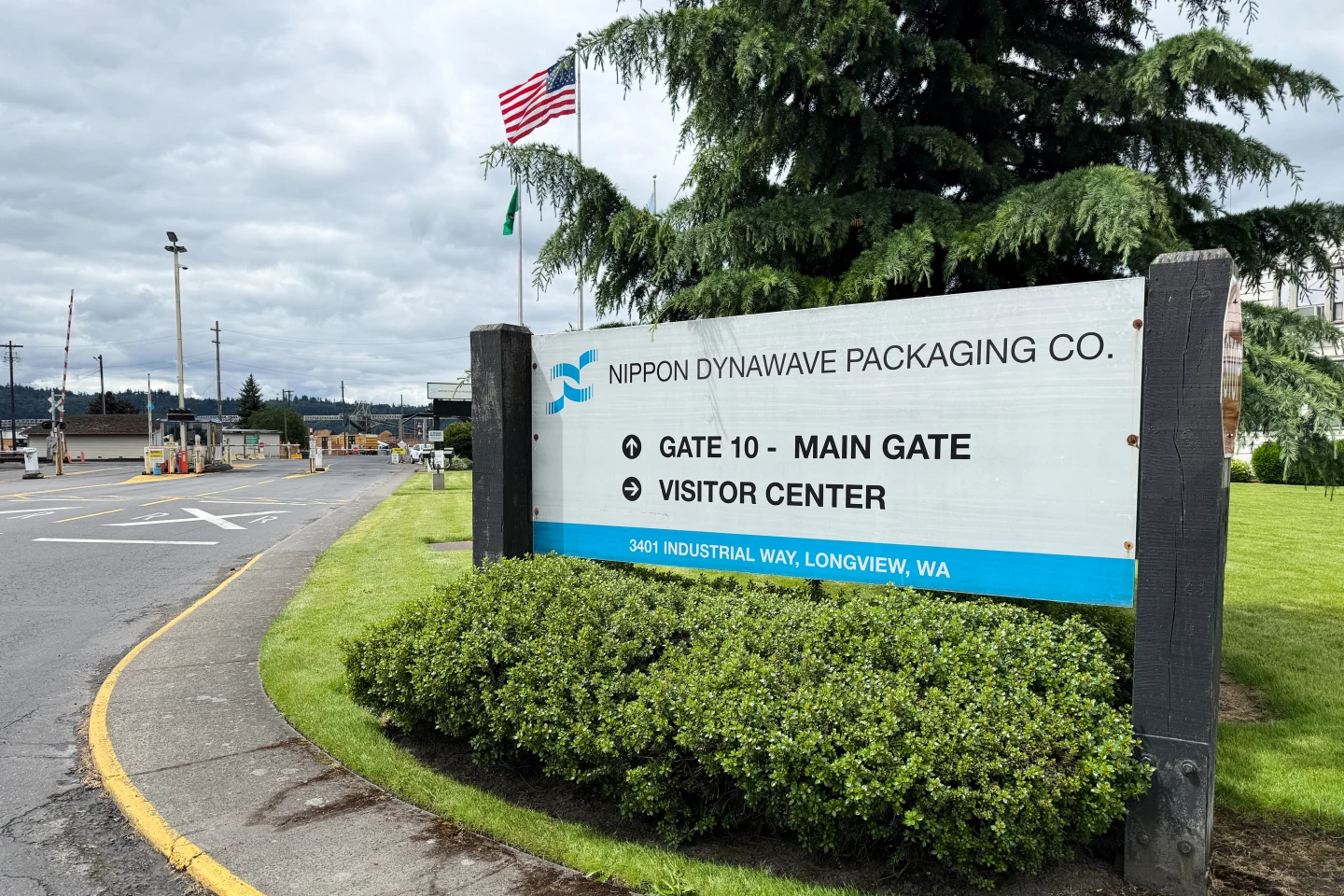
On Tuesday morning a 500,000‑gallon tank of caustic white liquor—used to break down wood for paper production—collapsed at the Nippon Dynawave plant in Longview, Washington. The rupture sent a brash flood of corrosive liquid across the plant, overturning pickup trucks, damaging buildings and forcing the plant’s emergency response teams to evacuate.
In the immediate aftermath, firefighters and plant personnel made resounding calls for help. Over the first 48 hours, 11 workers were confirmed dead, including two brothers who had worked side‑by‑side, a popular trivia champion, an electrician known for helping farmers in the nearby town, and a preacher who was titled the “spiritual leader” of his household. Two additional victims are still missing, awaiting recovery.
The chemical, referred to as white liquor, is highly caustic and can cause severe skin burns with even brief contact. Vapors are dangerous when inhaled, providing the reason officials stressed intensive decontamination of the recovery crews and an immediate shutdown of the plant’s operations. Eight people were reported injured, with a firefighter among the wounded.
The investigation remains ongoing. Preliminary statements from authorities note that the spill did not contaminate the air or local drinking water, and that precautions were taken to flush and dilute runoff before releasing it into the Columbia River.
The impact on Longview—a city of roughly 40,000 that grew around the paper and lumber industry—is hard to overstate. Many residents and families have historical ties to the plant; the mill employs about 1,000 employees and produces an array of paper products including tissue and cartons.
Following the accident, community leaders launched virtual vigils and fundraisers to support the families. The company’s parent, Nippon Paper Group, offered “heartfelt sympathies to the bereaved families.” Their plant, located in the heart of the region, will remain closed for cleanup and investigation as local officials and engineers work to assess the damage and determine which areas are safe to enter.
A coroner’s team now sifts through the remains, cleaning each body before the final identification and safe passage to the morgue. Meanwhile, every reporting line from recovery to investigation continues to call for safety, transparency, and outside oversight to ensure that such an industrial hazard never repeats.
Current efforts aim to clear the banister of chemical residues, decontaminate the building, and restore the plant’s operations. As the community mourns, the tragedy stands as a stark reminder of the potential dangers inherent in the modern manufacturing economy.