In brief
In early May, a ruptured tank at a Longview paper mill killed two people and likely injured several others, while a fire‑escaped chemical tank in Garden Grove forced the evacuation of roughly 50,000 residents. Although the science shows that chemical tanks fail less than once per million per year when properly inspected, the incidents highlight gaps in state‑level inspections, federal oversight, and exposure‑risk standards for the public.
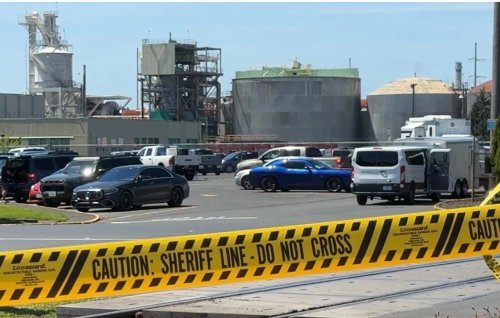
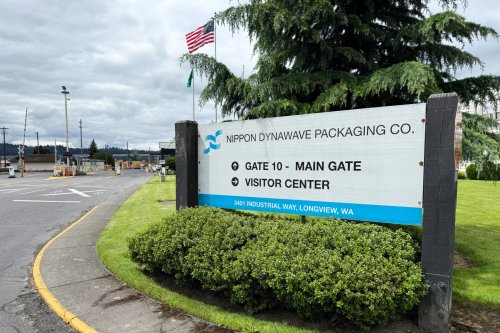
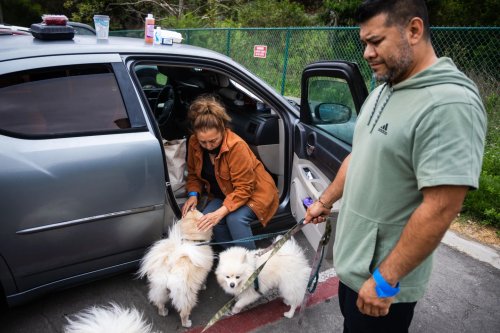
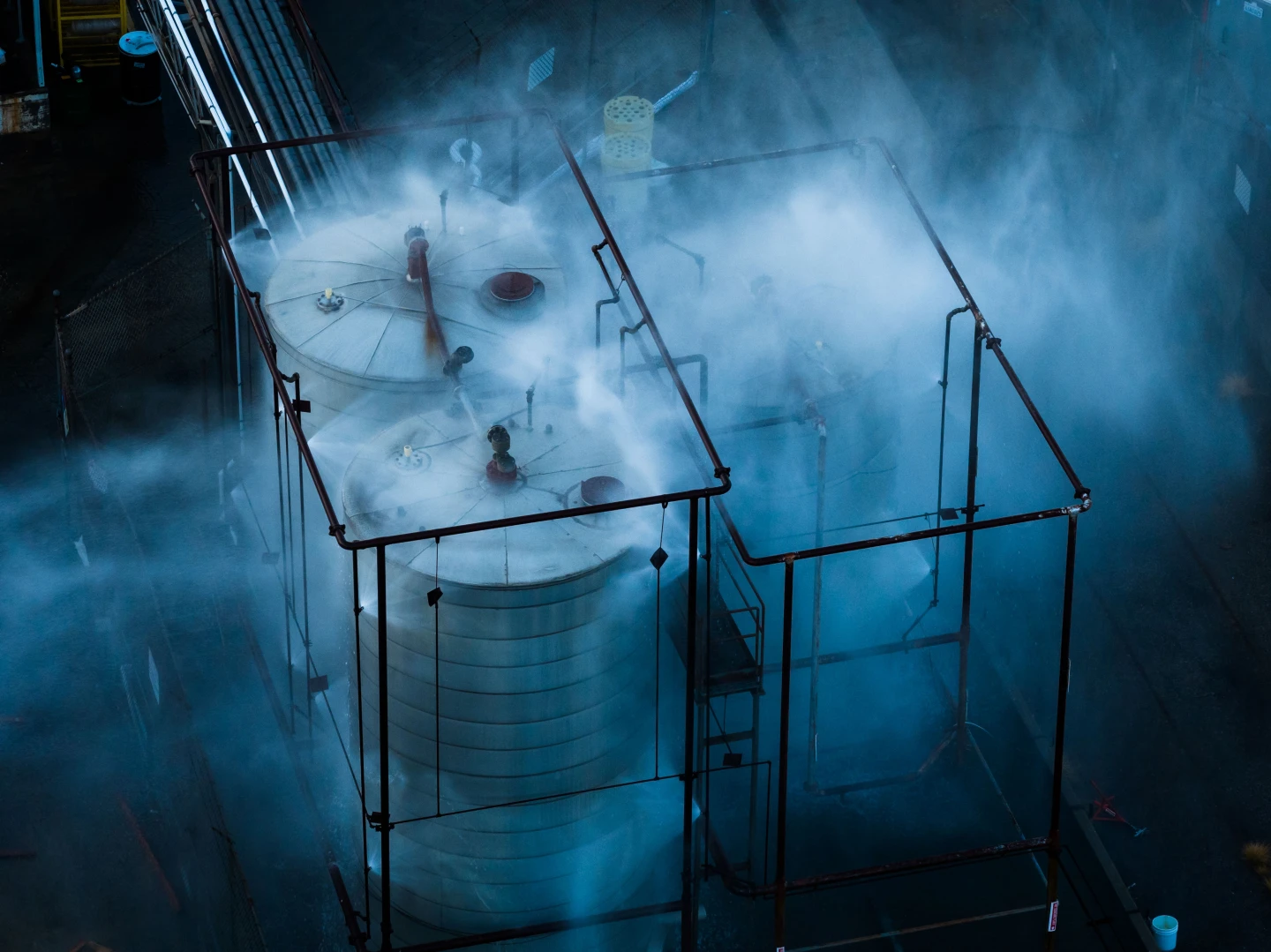
The first incident involved a 470‑ton tank filled with white liquid‑paper‑making liquor at a Longview, Washington, paper mill. On May 9, the tank ruptured, sending a lethal jet of highly caustic liquid into the sky. Two workers were confirmed dead, and at least nine others suffered burns and eye injuries. The second event – a chemical tank overheating and causing a plume of fumes – occurred in the Garden Grove area on May 2. About 50,000 residents were ordered to evacuate before the EPA and local fire teams could defuse the risk of a catastrophic explosion.**Statistics vs. Reality**Chemical tanks coexist with millions of other storage vessels across the United States. According to a 2007 United States Environmental Protection Agency (EPA) study, the failure rate is roughly 1 in a million tanks per year (Kmiotek, Professor of Chemical Engineering, Worcester Polytechnic Institute). James Kmiotek remembers his graduate thesis focused on the fall‑off in material fatigue and the vital role of regular inspections: “Everything works if the schedule is followed.” However, in the Washington case the tank’s age and whether its valves had been replaced in the last decade remain unknown.EPA officials, the US Chemical Safety Board (CSB), and several state agencies have issued statements about their responsibilities. The CSB, an independent federal agency, opened an investigation to determine whether the release of “extremely hazardous substances” complied with the public‑safety mandates of 30 CFR 1904. On the ground, the Washington State Department of Labor and Industries and the California Division of Occupational Safety and Health (Cal/OSHA) coordinate inspections, though they are stretched thin handling the country’s numerous sites.**Regulatory Layers**Federal oversight includes the EPA’s Right‑to‑Know rule, which requires companies to maintain safety data sheets (SDS) for hazardous chemicals and to share information with local fire, police, and emergency response teams. Meanwhile, OSHA’s Process Safety Management (PSM) standards apply to facilities that store or use large quantities of toxic chemicals, such as the GKN Aerospace plant in Garden Grove. The Longview paper mill’s status under PSM is unclear; its owner has a history of firefighting incidents and two prior CSB investigations (not related to lithium‑white liquor) noted in the Washington Department of Labor’s docket.**Public Exposure Standards**The incidents have reignited debate about the adequacy of exposure limits. Stephen Lester, a former science director at the Center for Health, Environment & Justice, argues that the EPA and OSHA’s existing workplace standards do not account for the public following an accidental release. “Without clear health‑based guidelines for community exposure, who decides what’s safe?” he asks. The current framework relies on risk‑based standards developed for a “typical adult,” ignoring children, seniors, and people with compromised immune systems.**Historical Lessons**Ongoing research points to the 1984 Bhopal disaster in India, a pesticides factory explosion that killed at least 3,800 people. In the aftermath, the chemical industry adopted a range of safety measures, from redesigning tanks to requiring emergency‑response drills. But some experts maintain that post‑Bhopal reforms were largely reactive and not uniformly adopted across the industry.**What’s Next**State bodies in California and Washington are beginning to audit their own inspection schedules, especially for tanks that have surpassed the 10‑year mark, as recommended by Kmiotek. EPA officials say they will slow the opening of new tank permits in a bid to reduce the likelihood of future failures. Officials also plan to test whether public‑area communities have “real‑time” monitoring systems capable of providing early warnings for similar accidental releases.The two recent halos of chemical danger underscore that, while the probability of tank failures may be low, the consequences can be unsurprisingly severe—prompting a need for stronger coordination among federal, state, and local regulators, and for public safety guidelines that go beyond workplace thresholds.