China has called the US naval blockade of Iranian ports 'irresponsible and dangerous'.
Beijing's foreign ministry said the move would 'undermine the already fragile ceasefire agreement' and further jeopardise the safety of ships passing through the Strait of Hormuz, a critical waterway Iran effectively closed in response to US-Israeli strikes.
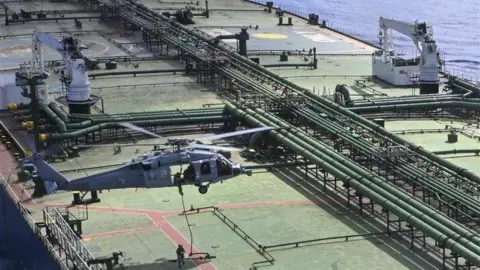
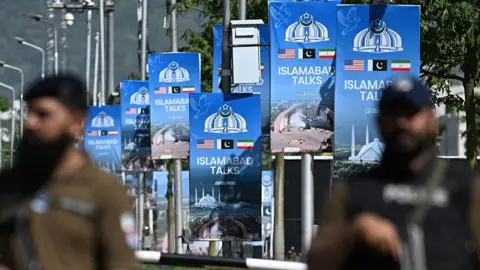
The blockade came into force on Monday, a day after peace talks between the US and Iran broke down in Pakistan.
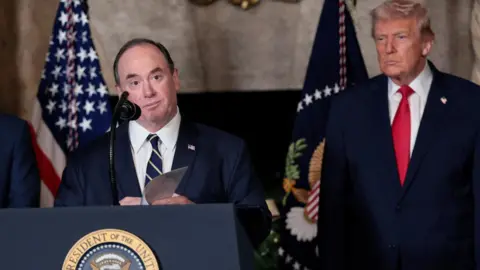
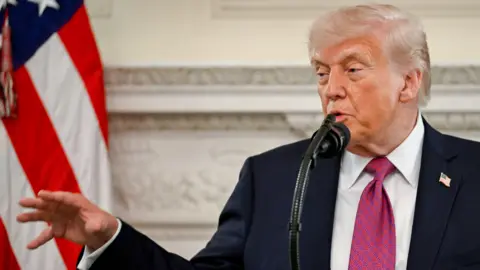
US President Donald Trump stated that the measure is intended to force Iran to give up its nuclear ambitions. Analysts note that this move also aims to pressure China - the biggest buyer of Iranian oil - to encourage Tehran to open the strait.
Iran's ambassador to the UN has described the US blockade as a 'grave violation' of Tehran's sovereignty.
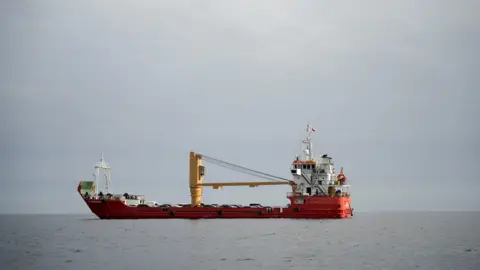
Chinese vessels have so far been among the few managing to navigate through the strait, although it remains unclear if they had to pay Iran for safe passage.
The US blockade could potentially sever China's supply lines, posing significant risks for its economy.
China believes that only by achieving a comprehensive ceasefire and ending the war can we fundamentally create conditions for easing the situation in the strait, China's foreign ministry spokesman Guo Jiakun said.
Guo further urged all parties to adhere to ceasefire arrangements and efforts to restore normal traffic in the strait.
Trump has issued threats of imposing a 50% tariff on Chinese goods should any military assistance be provided to Iran. In retaliation, Guo indicated that China would take 'resolute countermeasures' against any such tariffs.
Meanwhile, US officials have accused Iran of engaging in 'economic terrorism' through its blockade of the Strait of Hormuz, leading to a tense back-and-forth between the two nations.