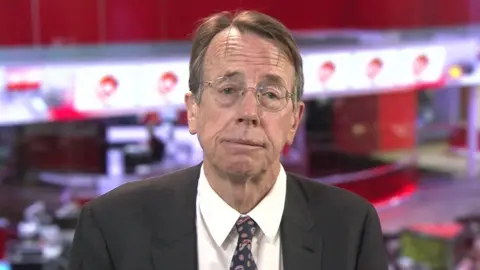
The boss of UK Biobank, Professor Sir Rory Collins, expressed his anger regarding a significant data breach that saw medical data belonging to 500,000 participants listed for sale on a website in China. The breach, attributed to a small group of individuals, involved datasets containing de-identified information about participants that had been made available for research at several academic institutions. Although the listings were promptly removed without any purchases occurring, the incident has raised substantial concerns regarding how such a breach could take place.
Sir Rory, who is also a participant in the Biobank, emphasized his disappointment and stated that the institutions involved have been banned from using the platform following their role in the breach. He also announced a temporary suspension of access to the Biobank's online research platform while new controls are being implemented to prevent future incidents.
The UK Biobank is known for its vast collection of health data gathered through volunteers, aiding significant advancements in the understanding of diseases like dementia and cancer. Despite the seriousness of the breach, Technology Minister Ian Murray confirmed that the data involved did not include personal identifiers, although it may contain other sensitive information such as gender and lifestyle habits.
Collins noted the importance of maintaining a balance between providing valuable data for scientific research and ensuring the security of that information. The UK's Information Commissioner's Office is currently investigating the incident to ensure compliance with data protection laws.
Sir Rory, who is also a participant in the Biobank, emphasized his disappointment and stated that the institutions involved have been banned from using the platform following their role in the breach. He also announced a temporary suspension of access to the Biobank's online research platform while new controls are being implemented to prevent future incidents.
The UK Biobank is known for its vast collection of health data gathered through volunteers, aiding significant advancements in the understanding of diseases like dementia and cancer. Despite the seriousness of the breach, Technology Minister Ian Murray confirmed that the data involved did not include personal identifiers, although it may contain other sensitive information such as gender and lifestyle habits.
Collins noted the importance of maintaining a balance between providing valuable data for scientific research and ensuring the security of that information. The UK's Information Commissioner's Office is currently investigating the incident to ensure compliance with data protection laws.