China Injects $54 Billion into State Banks and Insurers to Bolster Economy
The finance ministry has agreed to funnel 360 billion yuan—roughly $54 billion—into eight state‑owned banks and insurance companies. The cash is meant to strengthen their operating performance, improve risk management, and deepen their ability to serve the real economy.
Funding Details
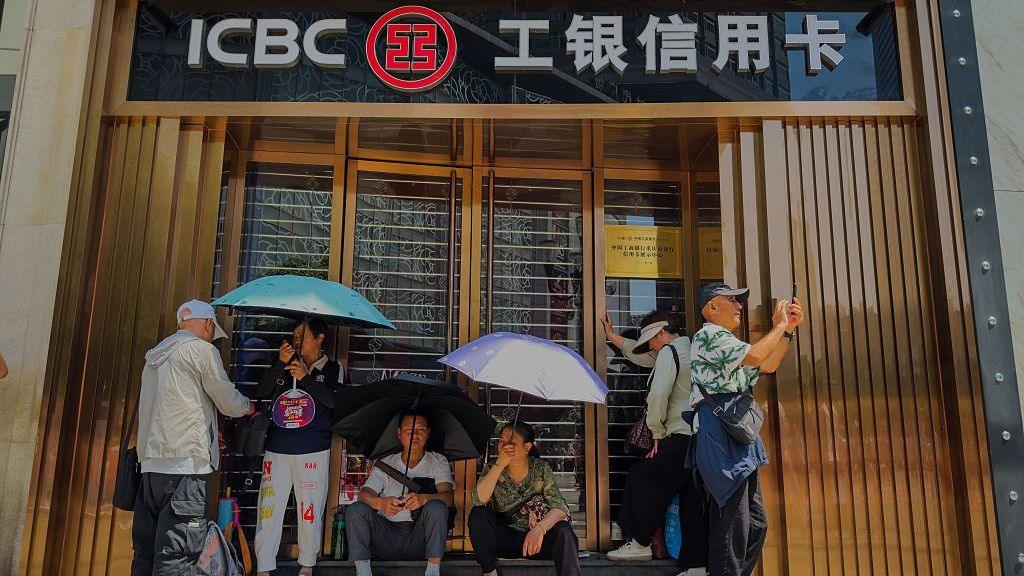
Three of the banks receiving the boost include Industrial and Commercial Bank of China, Agricultural Bank of China and a major lender, while five insurers—among them China Export & Credit Insurance Corporation—will also receive capital. Global Times stresses that the measure will allow these institutions to expand credit to businesses and households while hardening their resilience to global financial uncertainty.
Economic Context
China’s growth momentum has slowed, with the latest GDP data showing only a 4.3 % rise in the second quarter, below the government’s revised target. Analysts point to factors such as a shrinking workforce, a prolonged property slump and escalating trade tensions with the United States as key challenges. Meanwhile, the Iran war’s impact on oil prices has further dampened domestic demand.
Implications for National Security
President Xi Jinping has long linked financial stability to national security. By injecting capital into key financial institutions, Beijing seeks to secure the backbone of its economy against both internal and external shocks.
The move is the latest in a series of measures aimed at reviving China’s second‑largest economy amid a complex geopolitical and economic environment. Whether the stimulus will suffice to counter the ongoing slowdown remains a subject of debate among economists and policy makers.