China has long braced for a Gulf oil supply shock - but the Iran war's disruption of a key global shipping route is now putting its resilience to the test.
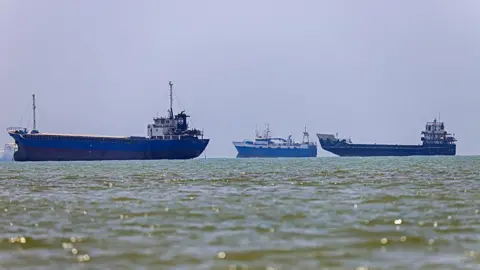
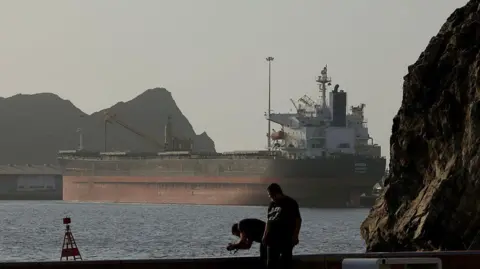
Energy shipments from the Middle East have been at a standstill following Iran's threats to attack vessels that pass through a critical trade waterway as retaliation against US-Israeli strikes. The blockade has led to a global oil shortage which has rocked Gulf-reliant Asian countries hard, with the Philippines mandating four-day work weeks to save fuel, and Indonesia seeking ways to avoid burning through reserves that will last just weeks.
China, the world's largest buyer of oil, is also feeling the strain. But the country sits in a better position than its neighbours, after years of statecraft that have prepared it for a global energy crisis.
A Test of China's Energy Network
The world economy has been thrown into turbulence since the US and Israel launched strikes against Iran in late February. Since then, oil prices have soared to close to $120 a barrel due to attacks on shipping and the effective closure of the Strait of Hormuz, where about a fifth of the world's oil passes through - around 20 million barrels each day.
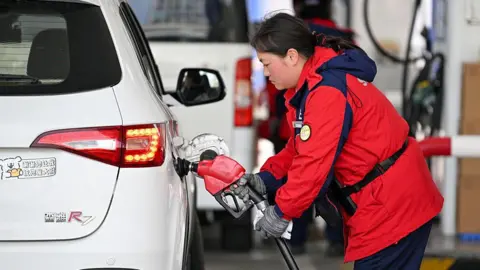
The shortage has left countries scrambling for alternative crude suppliers, while China, which uses about 15 to 16 million barrels daily, is already looking to buffer its supply, relying on significant oil reserves and various energy sources.
Prepared for Rainy Days
Beijing has managed to build one of the world's largest oil reserves, having capitalized on lower crude prices in years past. Estimates indicate China has built up reserves of around 900 million barrels - just under three months' worth of imports. This substantial buffer is crucial during times of disruption.
China's Quest for Self-Reliance
China has rapidly expanded its renewable energy sources, now generating more than a third of its electricity from wind, solar, and hydropower, significantly decreasing its reliance on fossil fuels. As a result, crude oil accounts for only about a fifth of its energy consumption.
Despite its strategic planning, rising oil prices could still impact the Chinese economy, particularly its petrochemical industry, which relies heavily on crude prices.