A new web series that confronts marital rape in India has put the spotlight on the grim topic in a country that has stubbornly refused to criminalise it.
Chiraiya - the Hindi word for small birds - aired on JioHotstar in March. It has already drawn an audience of millions, making it one of the network's most popular Hindi shows in months.
Praised by media critics for confronting a subject that is largely seen as taboo, it has sparked conversations on social media about consent and misogyny. At the same time, some commentators have described it as anti-men and an attempt to undermine the sanctity of marriage.
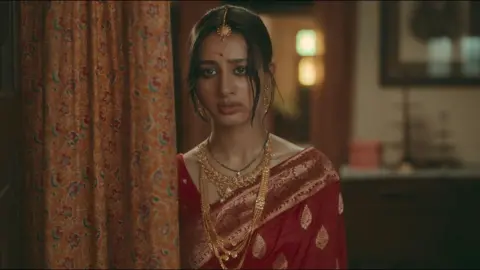
Divy Nidhi Sharma, the show's scriptwriter, says the series follows two women, Kamlesh and Pooja.
Kamlesh, played by Divya Dutta, is a middle-aged homemaker who firmly believes women should be interested in cooking and housework. Pooja, played by Prasanna Bish, is educated, socially conscious and talks about gender equality and dignity.
Their worlds collide when Pooja marries Arun – Kamlesh's brother-in-law that she reared as her own son. He is seen as the perfect match for Pooja, but her dreams of a happily ever after are shattered when he rapes her on their wedding night.
When she confronts him, Arun tells her he has just taken what's mine.
Why do you keep repeating that I raped you? he says, adding that marital rape is not a crime in India and there is no law to deal with it.
Dutta says the show is about consent, specifically in a marriage, which is considered a very, very special bond.
Marital rape is very difficult to talk about. Every woman who goes through it thinks it's just her story. She thinks if she speaks about it, there will be social stigma, the harmony of the house will be disrupted, she tells the BBC.
In the show, when a battered and bruised Pooja speaks up about how Arun is treating her, she is advised by everyone, including her mother, to adjust, as talking about it would only bring them shame.
Kamlesh starts off believing consent for sex is implicit in the marriage, Dutta says.
But as the series progresses, her thought process begins to change when she is forced to decide between her comfort zone or to hold the hand of a woman she's not really fond of.
She comes to choose the right path, Dutta says, becoming a dependable ally of Pooja.
According to Indian government data, 6.1% ever-married women have experienced sexual violence. But despite years of campaigning by activists, India remains among three dozen countries - along with Pakistan, Afghanistan and Saudi Arabia - where marital rape is not outlawed.
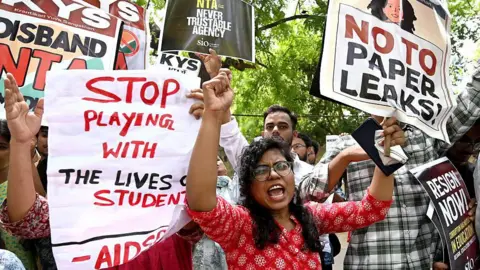
Activists have filed a number of petitions in recent years in the Supreme Court calling for marital rape to be criminalised. But the government, religious groups and men's rights activists oppose any plans to amend the Colonial-era law, which exempts a man for having forced sex with his wife if she is not a minor.
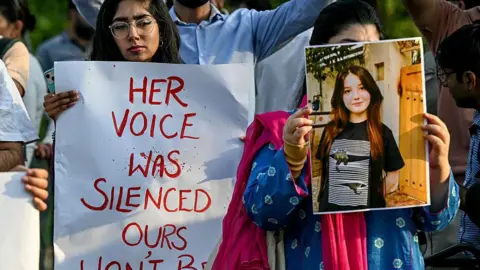
There was outrage last year when a man convicted of raping his wife, who died within hours of the alleged assault, was freed on appeal because, as the judge said, India did not recognise marital rape.
Sharma, Chiraiya's scriptwriter, tells the BBC: This injustice is happening within our homes, in our neighbourhoods.
What I find most troubling is that there's no legal or social recourse. So, as a writer I felt I should do my bit about it.
Adapted from a Bengali show called Sampoorna, Chiraiya has been reimagined for northern India, which is a much more patriarchal region.
Dutta says the show has received an absolutely overwhelming response.
Despite the backlash it faces from some quarters, the creators believe that storytelling is a successful medium to challenge societal attitudes and raise awareness about issues such as marital rape.
I think this will make a difference in more ways than one because it is telling us where we are going wrong. And rather than just putting the onus on the outside, for someone else to do something for us, this show just emphasises that let's start from home first.