In brief
India is set to expand its regulatory framework for online content under proposed changes to the IT rules. These changes aim to include non-professional content creators like influencers and podcasters. While the government asserts this is to curb misinformation, critics warn it may lead to increased censorship and suppression of dissent. The public is invited to give feedback on the amendments by April 14, sparking a debate on freedom of expression in the digital age.
The Indian government has proposed changes to extend its regulatory framework to a wider range of online news voices, including influencers and podcasters on platforms such as Facebook, YouTube and X.
Last week, the Ministry of Electronics and Information Technology (MeitY) suggested amendments to India's IT rules - which govern digital media content - to include users who are not publishers who share content related to news and current affairs within a code of ethics it currently applies to registered news publishers.
Experts say this will potentially give the government more power over news-related posts shared by ordinary users, including independent journalists and podcasters. The government has proposed requiring social media platforms to follow orders and guidelines if they want to keep safe harbour protection - legal immunity from liability for content posted by users.
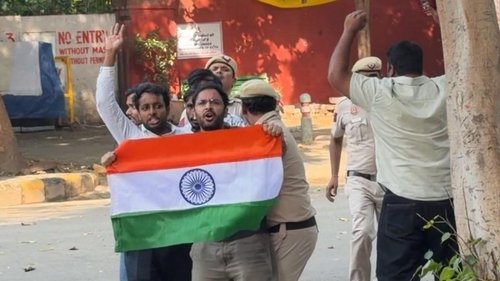
The proposed amendments have alarmed digital rights activists and independent news creators, who say they could enforce near-total compliance with state-led censorship on social media platforms. They also warn the rules could be misused to target critics and clamp down on dissent.
The government says the amendments will strengthen existing IT rules and curb fake news, hate speech, and deepfakes, and has invited public feedback by April 14. But critics remain sceptical of the government's stated intentions.
Akash Banerjee, who runs the YouTube channel The Deshbhakt with over six million subscribers, says the rules could create a climate of fear, pushing many creators toward self-censorship.
Interestingly, despite the many laws regulating online content, hate speech and fake news haven't reduced in the country. Meanwhile, posts that are critical of the government - even if they're satirical - are increasingly being blocked or removed, Banerjee adds. The authorities reject the charge.
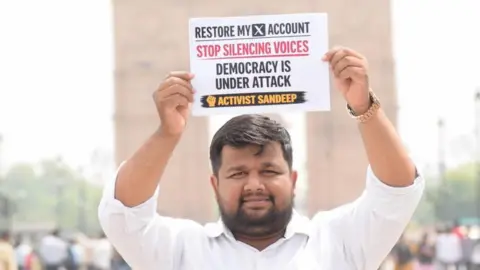
Last month, X blocked about a dozen accounts known for satirical posts about the government, acting on orders issued under Section 69A of India's IT Act.
Kumar Nayan, whose X account @Nehr_who? has about 242,000 followers, told the BBC he received neither prior notice nor an explanation for the block. Nayan stated that by challenging the order in court, his identity has now become public, raising safety concerns.
The proposals come as digital rights activists like Nikhil Pahwa warn that the amendments only strengthen the government's existing structures for mass censorship. Recent amendments have brought digital news outlets under stricter government oversight, with increased limitations on user rights.
MeitY Secretary S Krishnan defended the proposals, stating a need for a common framework guiding news and current affairs, as diverse voices now share information beyond traditional publishers.
As the debate continues, many regular users and content creators are left questioning their rights and freedoms in an increasingly regulated digital landscape.