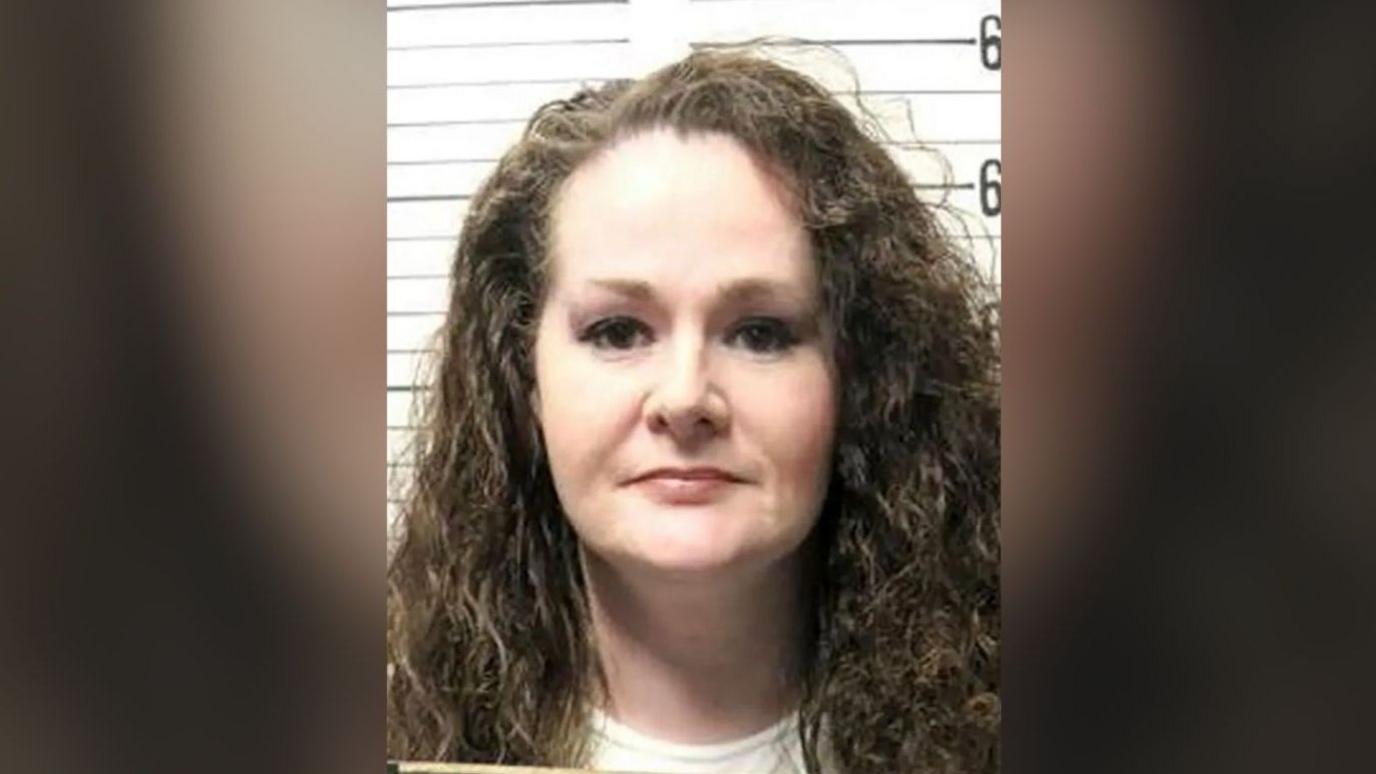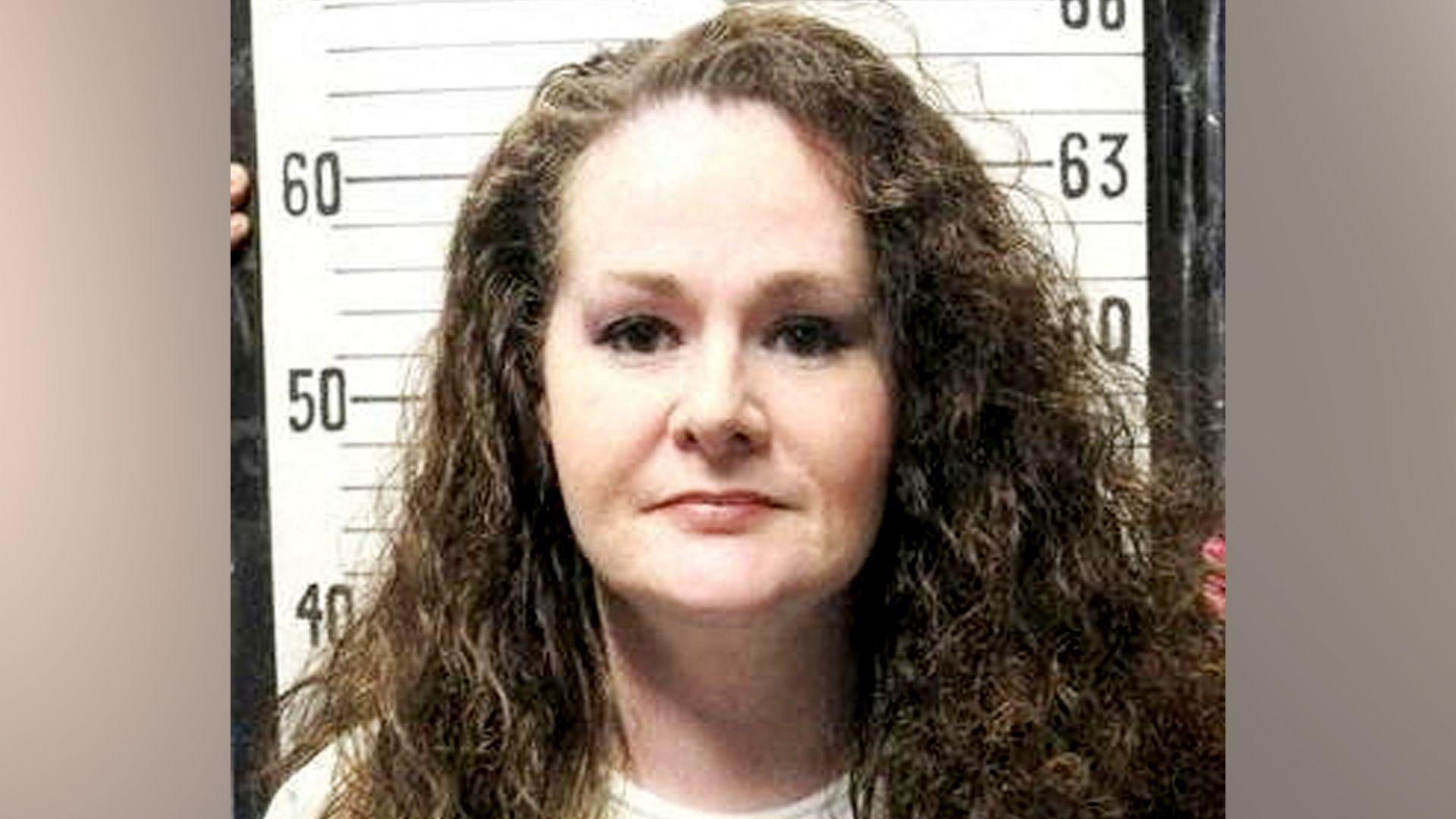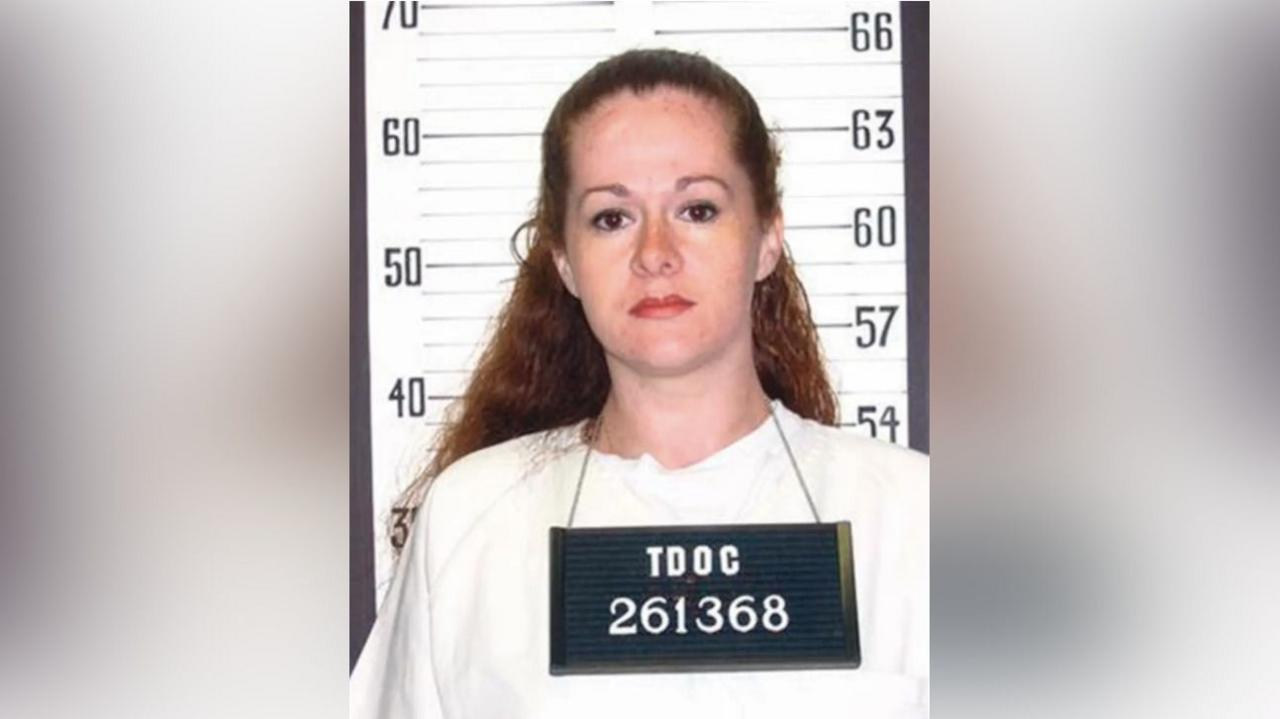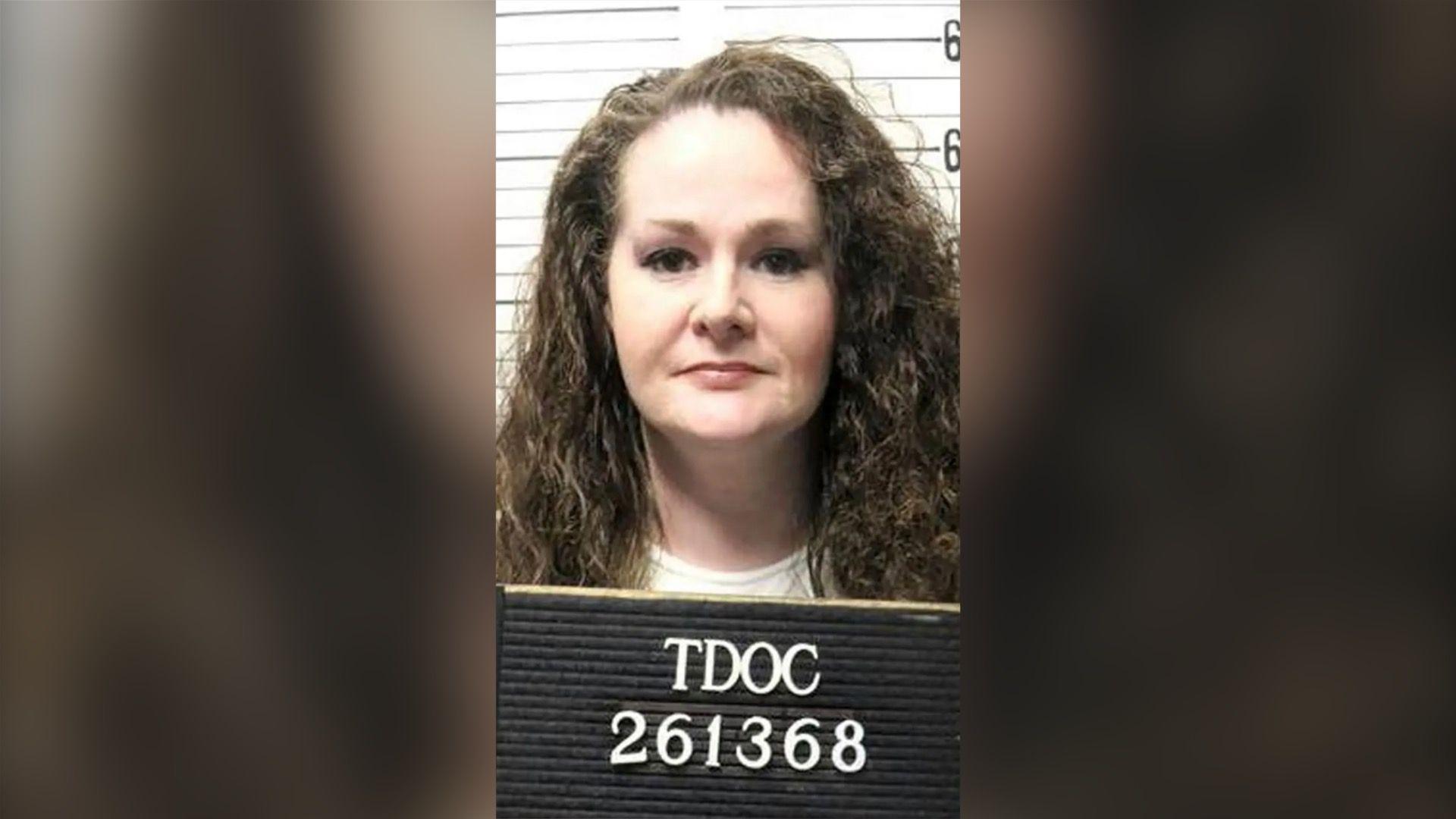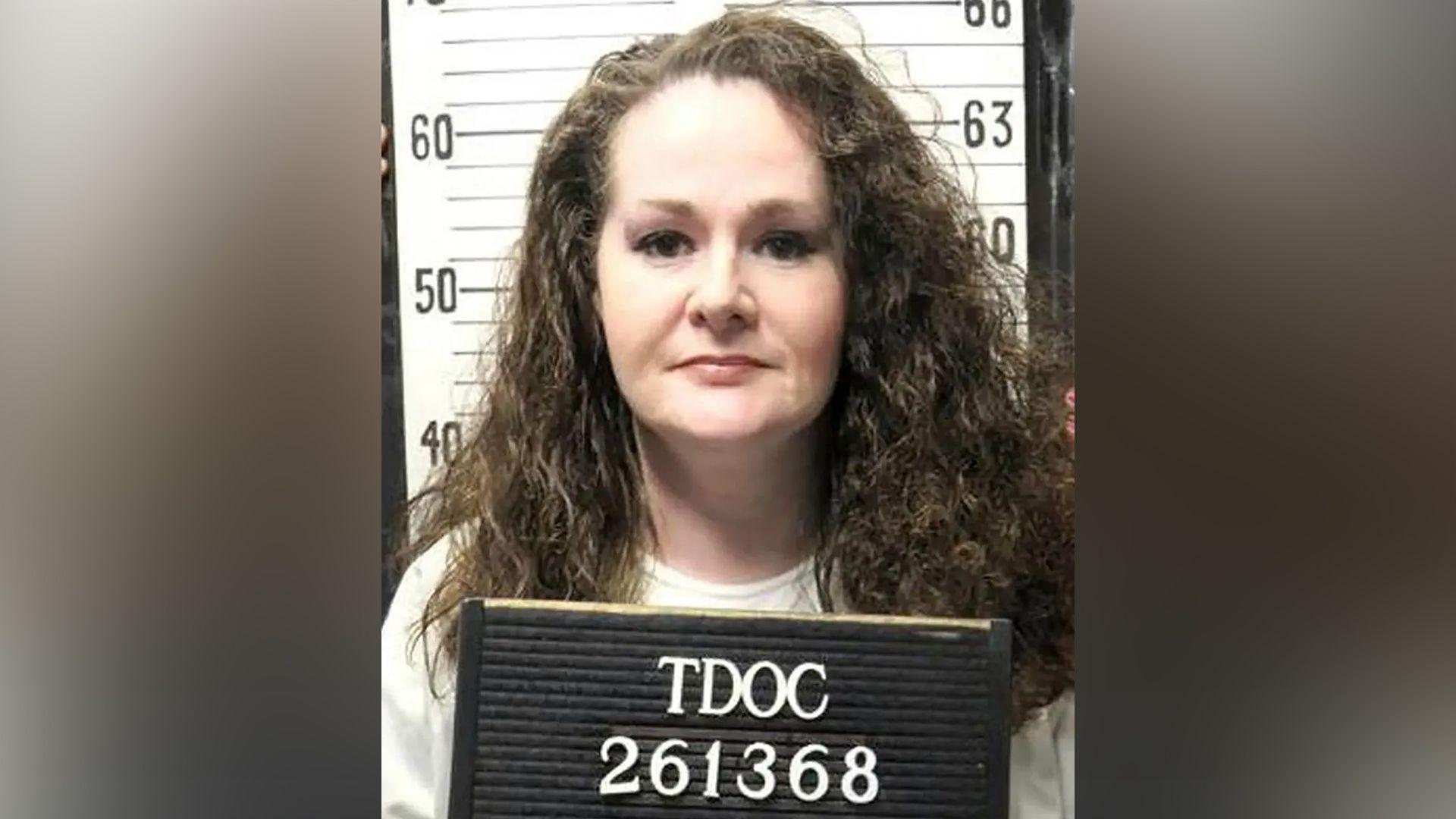
Christa Pike, a 50‑year‑old inmate on Tennessee’s death row, remains in a Nashville hospital on a ventilator after a failed lethal‑injection attempt. Her lawyer, Stephen Ferrell, told CNN that doctors are still clearing the two doses of pentobarbital that were administered and that her outcome is “still unclear.” He said he has not spoken directly with doctors, only receiving updates via Pike’s medical power of attorney, and that she is “guarded” at the facility.
The failed execution was carried out on Wednesday, the second attempt at Pike’s death date. Authorities have yet to announce whether another attempt will be made, and the Tennessee attorney general’s office has said it has not given any indication of future intent. The state’s death‑penalty protocol has faced criticism for the way it is carried out—particularly the risk of pain for inmates with medical conditions such as thrombocytosis and small veins.
Pike’s case originates from the 1995 murder of 19‑year‑old Colleen Slemmer. She was 18 at the time of the crime, and her conviction followed a media‑fueled trial that resulted in a death sentence the next year. The procedure was conducted despite last‑minute legal challenges, and the victim’s mother, May Martinez, attended the execution and expressed that the state owes her “a big apology.”
In response to the failed execution, Governor Bill Lee suspended all executions through the rest of the year. The head of Tennessee’s Department of Corrections resigned, citing the incident. Pike’s attorneys have called for a commutation to life imprisonment at the very least, arguing that the state’s lethal‑injection process can inflict “unnecessary” suffering.
The incident has reignited a longstanding debate over the death penalty's execution protocols in the United States.