In brief
In a unanimous vote, Colombia’s Congress passed legislation making female genital mutilation (FGM) illegal—an unprecedented move in Latin America. The law follows decades of advocacy led by activists such as Carla Quiñonez and legal representatives of the Emberá people, who have confronted the practice hidden within a west‑central Colombian Indigenous community. Experts warn that FGM continues to cause severe medical and psychological harm. The legislation brings hope for legal recourse, education and community‑driven change, underscoring the need for coordinated healthcare, legal and cultural support to eradicate the practice.
Colombia’s legislature passed a historic bill to ban female genital mutilation (FGM), the first such law in Latin America.
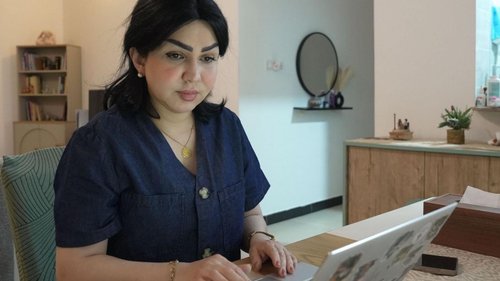
The decision, reached by unanimous vote, follows years of campaigning by activists including Carla Quiñonez and her fellow Emberá Indigenous advocates.
FGM – the partial or total removal of a woman’s external genitalia for non‑medical reasons – can cause severe long‑term health issues and psychological trauma. The World Health Organization estimates that a global 230 million women have been subjected to the practice.
In Colombia, FGM is still performed in Emberá communities, with some evidence suggesting the practice may stem from African slave migration, historical fears of the clitoris, or patriarchal views of sexuality.
The new law does not only criminalise the procedure; it obliges the state to allocate resources for education, medical training and community‑based support to prevent its persistence.
Chief legal representative of the Emberá caucus, Juliana Domico, stresses that culture itself does not equate to violence. She says: “Our culture is defined by our language, dance and craft— not by harmful rites.”
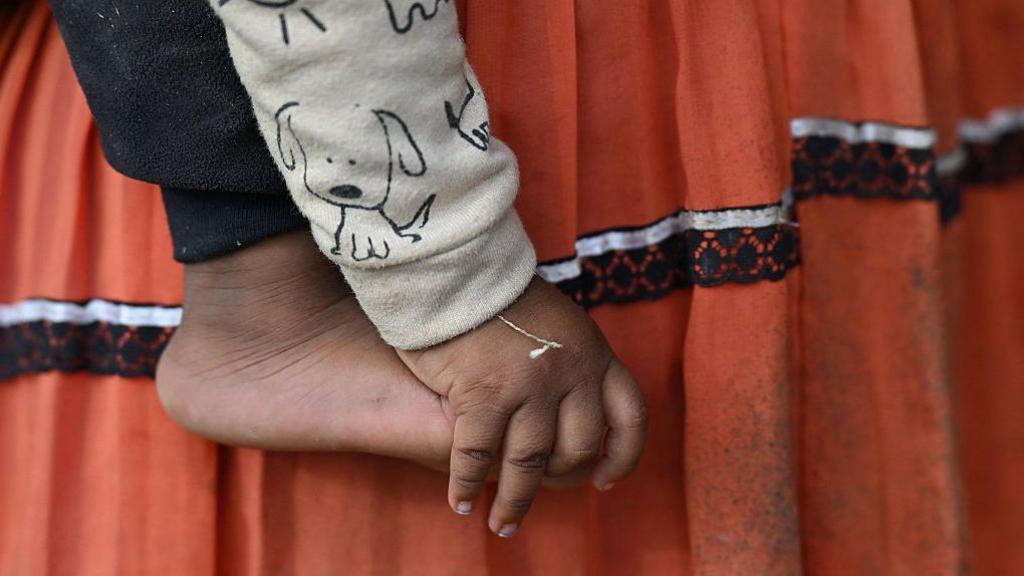
Quinonez describes the personal impact: at six months, her granddaughter was mutilated by a great‑grandmother, leaving the infant with fever, swelling and bleeding. Confronting the elder, she faced messages that FGM was ‘normal’ and fear of ostracism. The incident has fueled her activism and raised concerns that men— who must negotiate the change— may resist due to a patriarchal legacy.
Medical experts caution that many girls who hide the truth are already in hospitals with wounds that indicate FGM. Paediatrician Diana Ramos Mosquera reports about girls presented to San Jorge University Hospital in Pereira for unrelated conditions but in need of reconstructive surgery.
The legislation signals a societal transformation, but roadblocks remain: fear of police attention, language barriers, and a culture of silence. Communities are beginning to talk openly about FGM, though the path to fully abandoning the rite involves confronting long‑standing belief systems.
The law is a powerful reminder that bodily autonomy is a legal right that must be protected. As the bill moves into enforcement, stakeholders are calling for robust education, legal aid and culturally sensitive healthcare— all to ensure women and children are safe from the ongoing scourge of FGM.