The judge wanted everyone in the courtroom to know that when he signed over the war orphan to an American Marine, he believed it was an emergency—her life was hanging by a thread on the battlefield in Afghanistan, without a family or a country to claim her.
However, a lawyer representing the federal government soon rose to correct the judge, stating that much of what he believed about the baby was untrue.
A secret group had gathered in Virginia, holding court sessions about the adoption case of the orphan taken out of Afghanistan by U.S. Marine Joshua Mast. Initially, the judge believed the Afghan government had ceased searching for her family, which was crucial information.
The situation turned into an international incident when the U.S. government insisted that the judge had no authority over the child's fate. Internal transcripts revealed that the Trump administration had already determined the child's family was to be reunited months before the judge's decision.
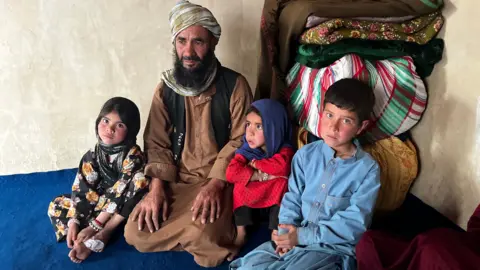
Court documents illustrate the chaotic bureaucratic environment that allowed the Masts' adoption attempt to go so far, despite her being raised by a couple the Afghan government considered her family according to their laws. The lack of oversight led to serious concerns regarding the legality of the adoption process.
Mast has refrained from commenting publicly due to the judge's orders but continues to believe that his involvement was in the best interest of the child he tried to help.
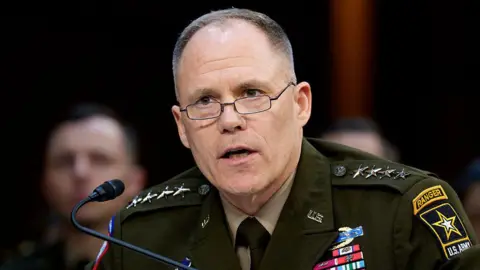
As the case proceeded, disputes arose between various government factions, highlighting the dysfunction within U.S. agencies regarding the issue. Military and government officials were criticized for their conflicting positions and actions regarding the adoption.
Judge Moore expressed regret over his decision, stating he would contemplate whether allowing the adoption was correct or whether he should have acknowledged that the child was still connected to her homeland.
The case concluded with a new judge, Claude Worrell, who overturned the initial adoption, placing the child’s COVID-19-affected path back into the hands of her Afghan family. The Afghan couple hopes to reunite with the girl, calling her their daughter, as the case continues to unfold in courts.