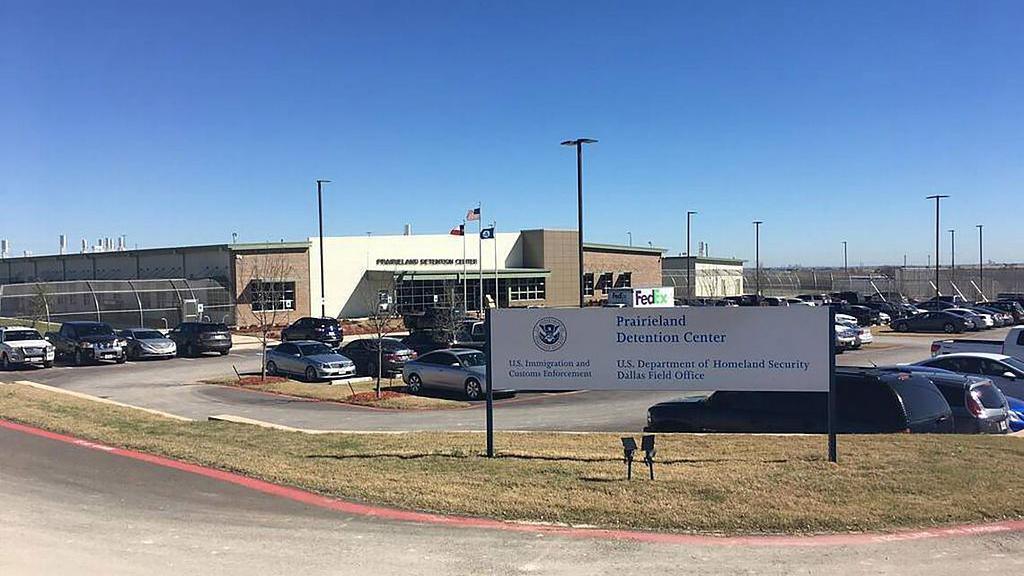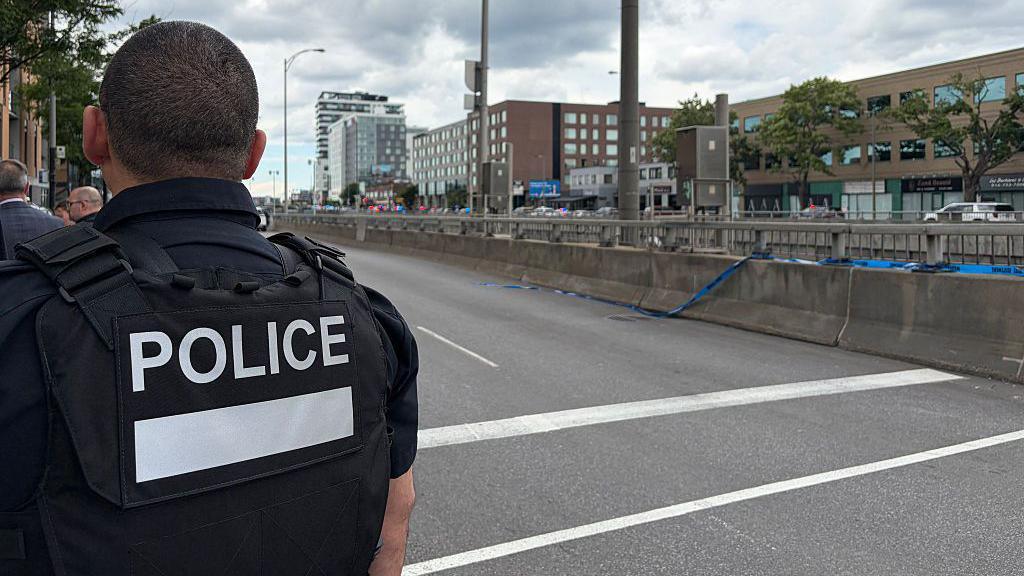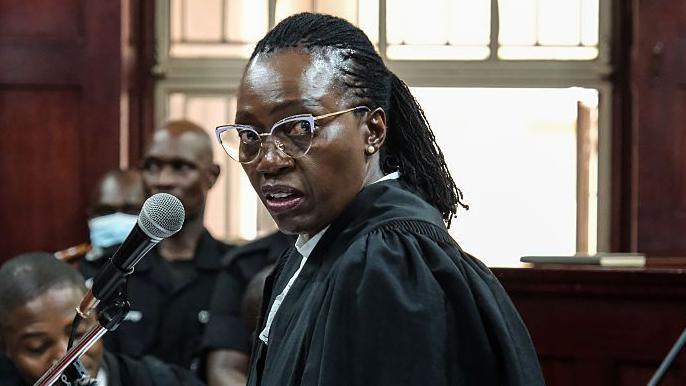
A new Minnesota website lays out evidence to counter what officials have called federal misinformation after immigration agents fatally shot two residents during the Trump administration’s immigration crackdown, deepening an unprecedented divide, experts said Monday.
Minnesota also went to court to preserve evidence from the shooting of Alex Pretti after its own investigators were blocked from the scene by federal authorities.
Experts say the line being drawn between Minnesota and the U.S. government goes against years of cooperation between local and federal agencies on law enforcement missions.
But they also said the state’s hand has been forced by an administration that has acted against decades of practice — from declining to allow state officials access to evidence gathered by federal authorities to barring its own Civil Rights division from probing the shootings of Pretti and Renee Good, who was shot to death by an Immigration and Customs Enforcement officer on Jan. 7.
Former federal prosecutors under Republican and Democratic presidential administrations said the divide was deeply troubling, though a call Monday between Minnesota Gov. Tim Walz and President Donald Trump may signal a way forward after both expressed that progress was made.
An unusual website launch
The Minnesota Department of Corrections launched a website dedicated to combatting Department of Homeland Security misinformation after Pretti was killed. The site includes examples where Minnesota officials honored federal requests to hold people under deportation orders to refute the Trump administration claim that those people are routinely allowed to go free.
Department officials also published videos showing peaceful transfers of custody from prison to federal authorities of several individuals the Trump administration had claimed were arrested by immigration agents.
The department also issued a news release trying to dispel federal claims about the criminal records of people sought by federal agents, including the person at the center of the operation near where Pretti was shot. The release said the department never had custody of the man and could only find decade-old misdemeanor traffic-related violations. U.S. Border Patrol Chief Gregory Bovino had said that the man had a significant criminal history.
Jimmy Gurulé, a law professor at the University of Notre Dame, observed that the situation in Minnesota is unprecedented. Turf battles usually remain behind closed doors, but this public discord is alarming.
Seeking relief in court
The Minnesota Bureau of Criminal Apprehension and state attorney general filed a lawsuit in federal court seeking to preserve evidence collected by federal officials from the Pretti shooting. A federal judge granted a motion blocking the Trump administration from “destroying or altering evidence.”
Federal officials called the lawsuit and claims of potential evidence destruction “ridiculous.”
The state’s concerns echo a broader issue regarding the investigatory role of the Department of Justice and its Civil Rights Division, which traditionally investigates use-of-force incidents that result in fatalities. DHS officials have indicated their department will conduct investigations into the shootings.
Former federal prosecutor Chris Mattei criticized the lack of DOJ involvement in this case, questioning their commitment to enforcing constitutional rights related to immigration enforcement.
Gurulé termed the lawsuit's motion over preserving evidence "shocking," indicating a deep-rooted distrust of federal agencies among state officials.
Signs reconciliation might be possible
White House press secretary Karoline Leavitt attempted to clarify President Trump's stance amid controversy, noting that he had never labeled Pretti an assassin.
Gurulé remarked that public trust in investigations suffers when public conclusions are drawn prematurely.
In his call with Trump, Walz advocated for an impartial investigation into both shootings, leading to Trump indicating he would talk to DHS to assure state investigators would have clearance for independent investigations. The discussion included solidifying cooperation on immigration enforcement.