Congressional Republicans have forwarded a resolution to President Donald Trump aiming to lift a federal ban on mining activities near Minnesota’s Boundary Waters Canoe Area Wilderness. Their goal is to allow a South American company to extract valuable metals from a region known for its pristine forests, lakes, and bogs.
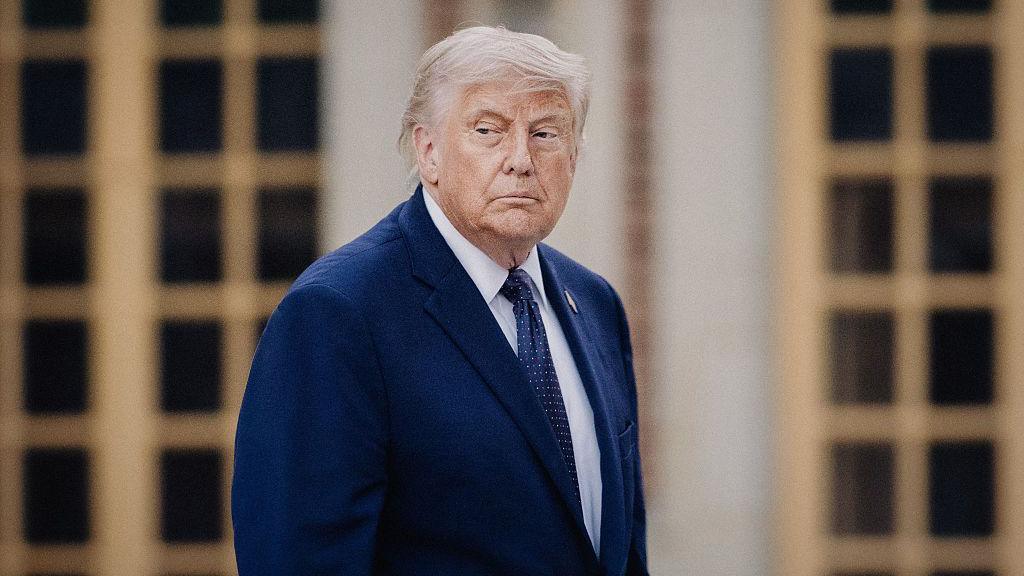
The measure was approved by House Republicans last month and subsequently passed the Senate with a narrow 50-49 vote, pushing it forward for Trump’s signature. However, this development has sparked concerns among conservationists, who warn that such mining operations could lead to irrevocable environmental damage in one of the country’s few remaining wilderness areas.
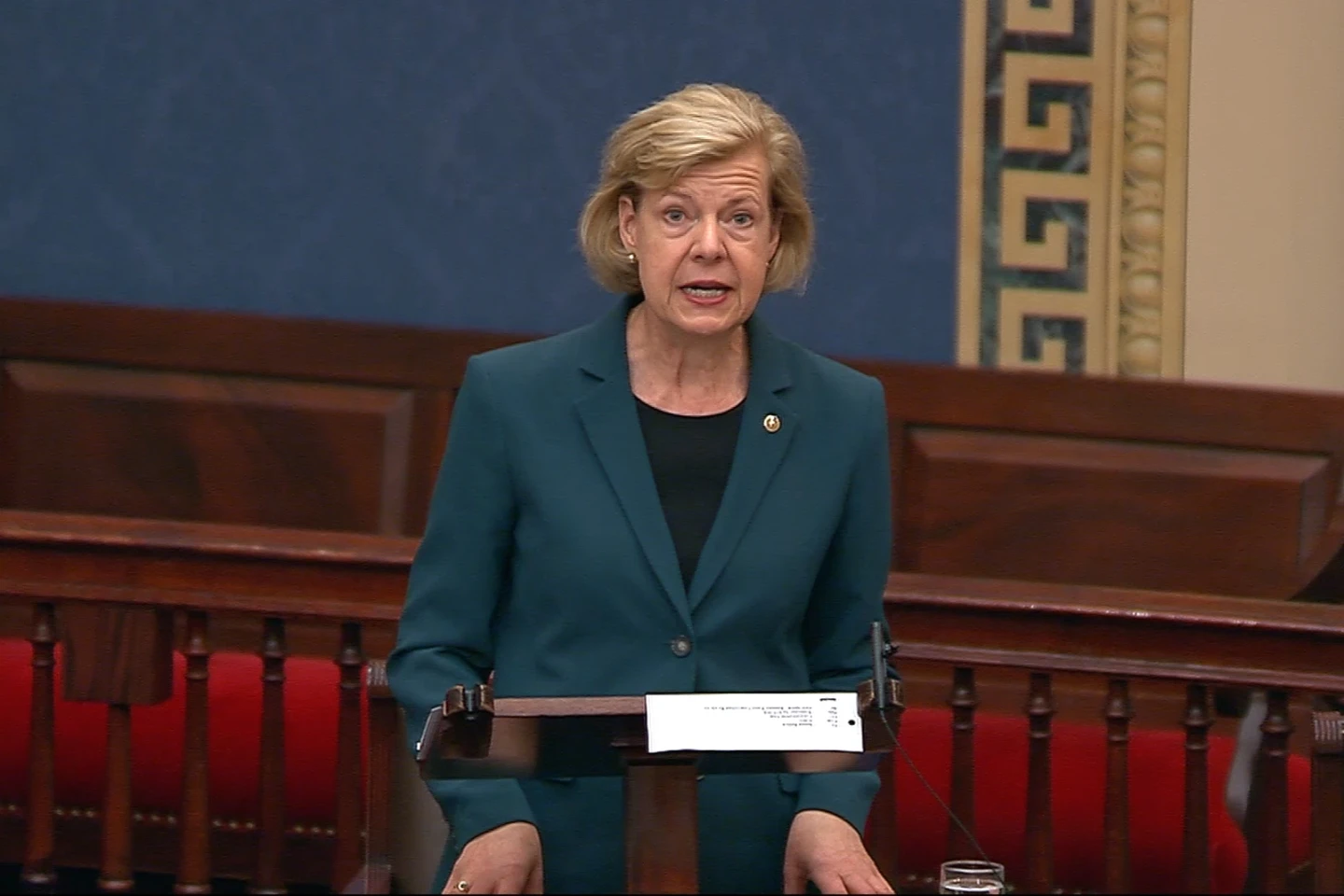
Opponents in the Senate, including Democratic Senators Amy Klobuchar and Tina Smith, expressed strong reservations about the implications of lifting the ban. Klobuchar, who is also seeking to become Minnesota's governor, emphasized the importance of the Boundary Waters and the loss of Minnesota's natural identity if the ban is rescinded. She described the area’s beauty, evoking memories of its “mist over meadows” and “sunlight on leaves.” Smith found it alarming that Republican leaders chose to disregard the voices of Minnesotans opposed to potential destruction of their wilderness.
While the legislation could facilitate mining just outside the wilderness area, environmentalists and outdoor recreational advocates fear that pollution from mining activities could flow into the watershed, harming the local ecosystem and affecting wildlife, particularly species essential to the Chippewa tribes’ culture.
Twin Metals Minnesota LLC, part of Chilean firm Antofagasta Minerals, has proposed plans to mine valuable metals in the Duluth Complex, a geological formation rich in copper and nickel. The company asserts that the project would generate hundreds of job opportunities and contribute positively to the local economy. However, their claims have sparked skepticism among those wary of the environmental repercussions associated with mining.
Environmental opposition is mounting, with groups such as Friends of the Boundary Waters mobilizing protests against the lifting of the ban. They argue that immediate mining operations would jeopardize the health of the watershed and harm the wildlife and wild rice that holds significant cultural value to the area's Indigenous communities.
President Trump’s administration has emphasized the need for a boost in domestic mineral production, reinstating legal provisions that allow mining to proceed. While a resolution to lift the moratorium may soon be signed, the timeline for mining operations remains uncertain, as regulatory approvals and environmental challenges will likely extend the permitting process.