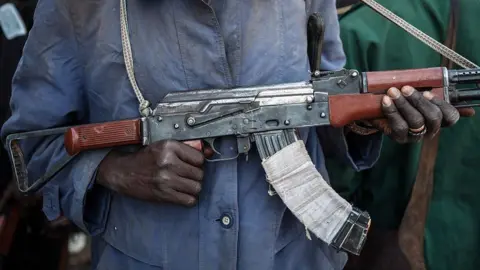
The recent coup attempt in Benin has brought to light critical discussions surrounding the stability of the West African region and the proactive role of Ecowas in thwarting potential tyranny.
Had last week's coup attempt in Benin been successful, it would have marked the ninth military takeover in West Africa in just five years. The recent political turmoil in Guinea-Bissau, where soldiers seized power amid ongoing election counts, prompted a swift response from the Economic Community of West African States (Ecowas).
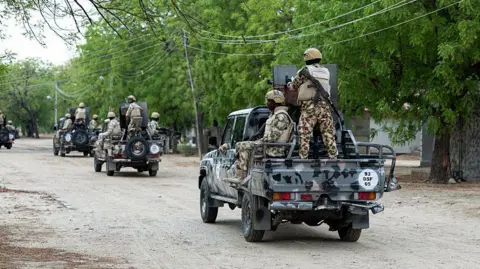
Following President Patrice Talon's request for support, Nigerian airstrikes targeted disloyal soldiers in Cotonou, alongside the mobilization of ground troops from several Ecowas member states. This decisive military intervention starkly contrasts reactions to previous coups in the region, particularly the inadequate response to the 2023 coup in Niger.
Unlike the successful military actions in neighboring Guinea or Burkina Faso, the attempted coup in Benin appeared to lack popular support. While dissent exists over governmental policies, many Beninese citizens prefer civil avenues for change rather than armed resistance. This context fortified Ecowas's intervention as it sought to uphold constitutional order.
Ultimately, the failed coup attempt illustrates how internal grievances can intersect with broader regional trends, but it also underscores the stark differences in public sentiment and government support in different contexts across West Africa.