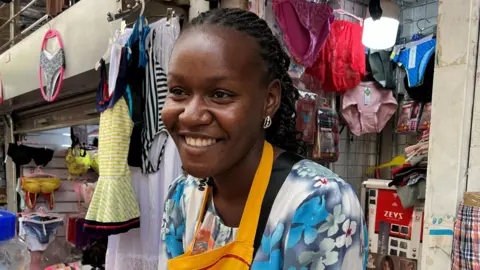
In the wake of Uganda's recent elections, a government-mandated internet shutdown has led to severe ramifications for local businesses and citizens. Mobile money agent Mirembe Tracy, based in the bustling capital of Kampala, shared her experience of dramatically reduced income during the outage: All withdrawals were disconnected, and without it, my income dropped to zero. Losing it was a total loss, she lamented.
Economic activities ground to a halt, especially for online businesses that rely heavily on mobile transactions. In one week I can earn up to 450,000 [Ugandan] shillings (£96; $130). That money is what I use to pay rent, Tracy explained. The two-day blackout cut off her ability to earn, forcing her to rely on selling prepaid airtime credit that offered no commission.
The Uganda Communications Commission justified the shutdown as a measure to ensure peace during a sensitive period, but critics argue that it was a tactic to conceal voter fraud and silence opposition communication.
Many businesses, such as the popular motorcycle taxi service SafeBoda, found their operations incapacitated. Riders were forced off the roads due to an inability to connect with customers through the platform. Namukwaya Olivia, who sells cultural clothing and relied on social media for sales, noted that the shutdown made it impossible for her to make deliveries or communicate with customers, resulting in missed sales opportunities.
Journalists faced significant hurdles as well. Ngabo Amon described his smartphone - typically crucial for research and communication - as largely useless without internet access. His situation epitomized the widespread disruption during the elections as crucial information regarding public safety and election developments fell out of reach.
Young people, especially gamers, felt isolated without online connections. Ronnie Mwesigwa, 20, reported losing communication with friends and the ability to engage in gaming during the blackout. Many youths found themselves reverting to pre-stored content on their devices amidst the frustrating situation.
Following the elections, the government partially restored internet access, but many platforms remain slow or restricted. The shutdown illustrated not just a temporary inconvenience but a stark reminder of how integral digital access is to every aspect of daily life in Uganda.