Since the Trump administration imposed a near-total fuel blockade on Cuba three months ago, Mauren Echevarría Peña has been inside a ward in Havana's specialist maternity and neonatal hospital.
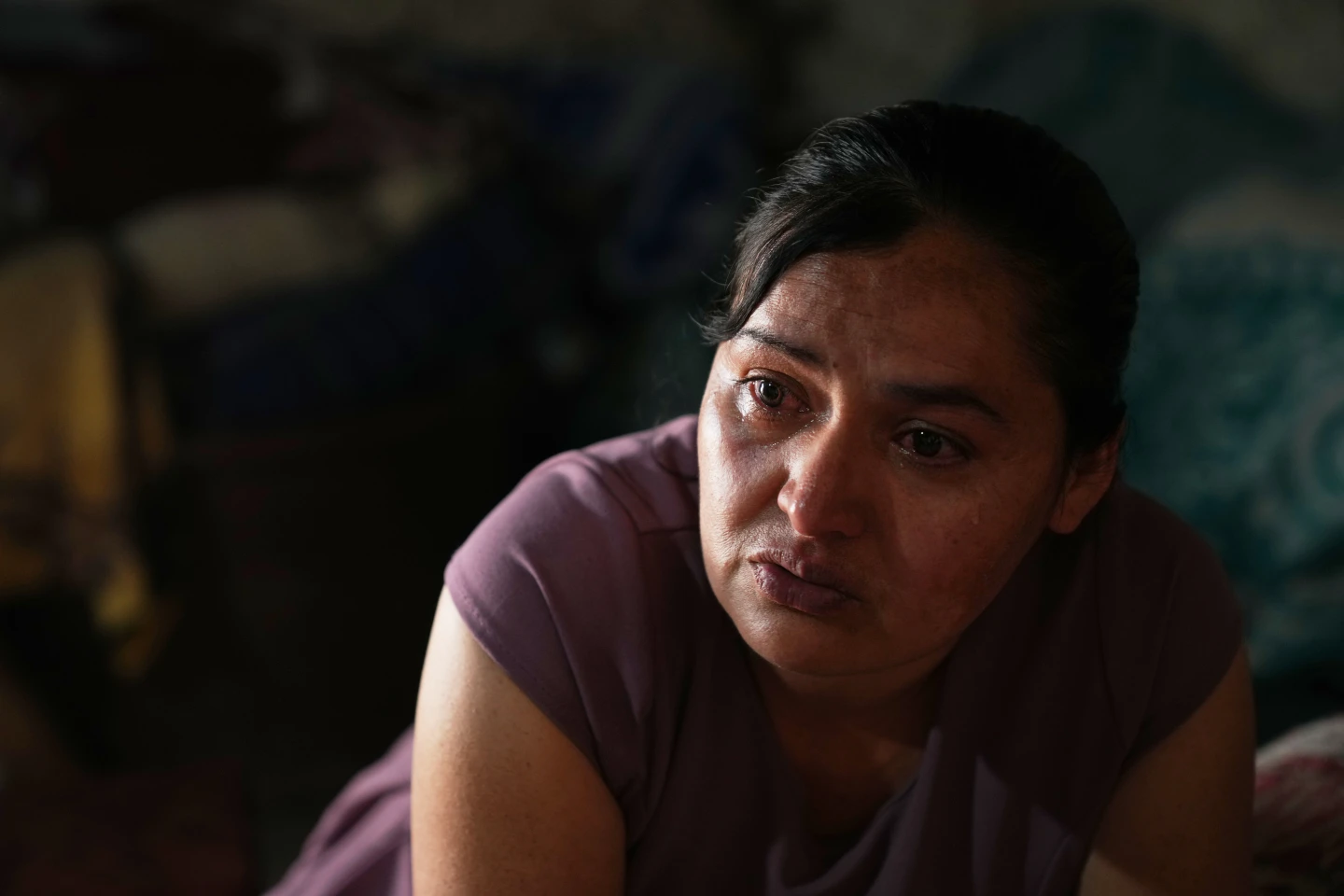
Mauren, 26, is expecting her first baby, but her pregnancy has been complicated. I've had gestational diabetes and chronic hypertension, she explains, sitting on a bed at the Ramón González Coro maternity hospital.
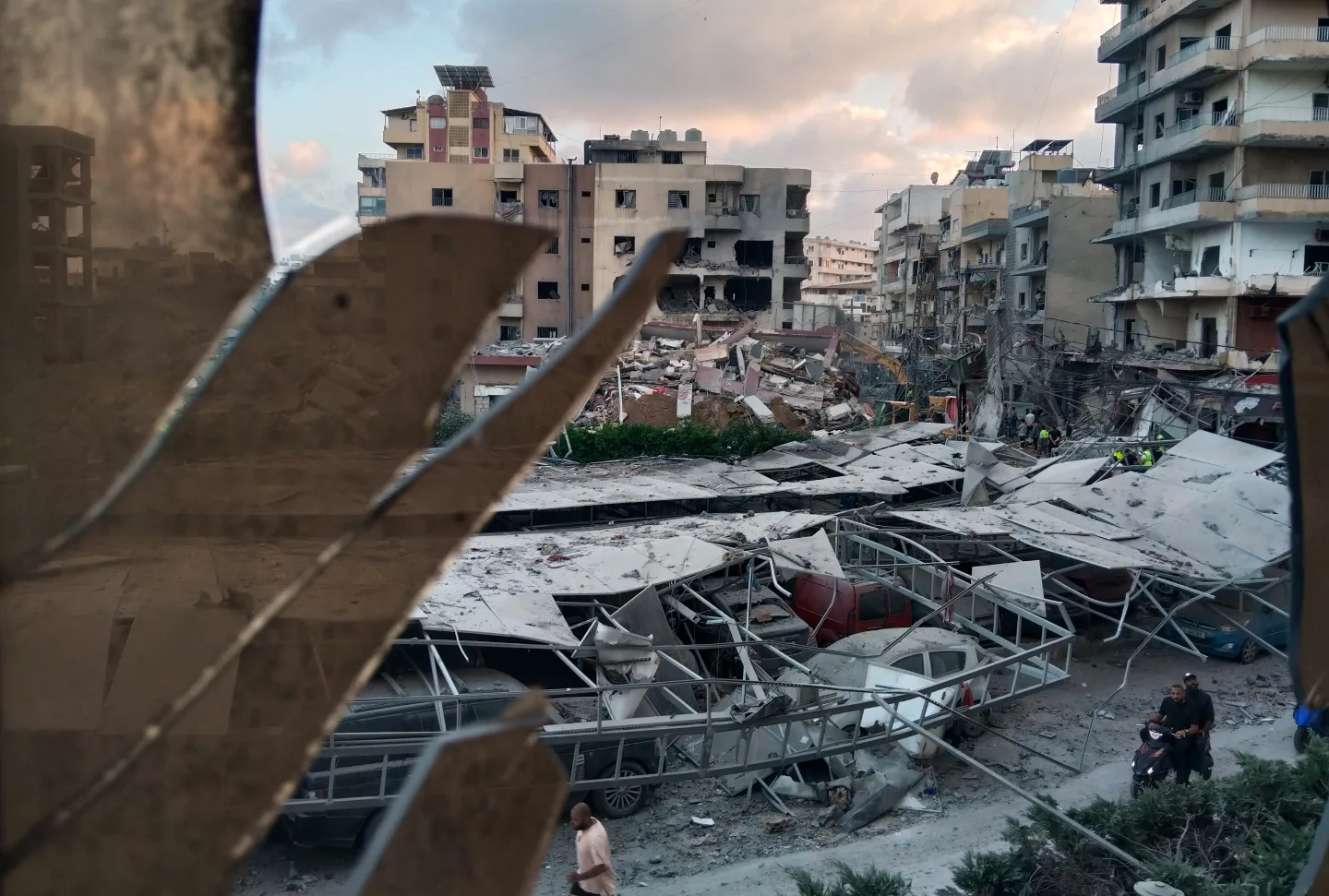
With her baby boy due this week, Mauren is understandably nervous. Not only has she had to endure weeks of bed rest and constant supervision, but she must now give birth in a nation experiencing rolling blackouts and days-long power cuts.
Over the weekend, there was another nationwide collapse of the crumbling electrical grid. Still, Mauren is grateful for the attention she's received from the medical staff who have been working around the clock under extremely challenging conditions.
The BBC was granted access to the state-run facility as a coalition of international solidarity movements arrived in Havana with boxes of aid donations for the maternity hospital.
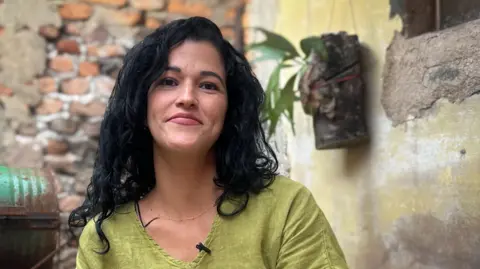
In her home, Indira Martínez, who is seven months pregnant, struggles with the absence of power. You must get up in the small hours when the power comes back on to cook whatever is available. And often it doesn't contain the vitamins and proteins I need – and it definitely doesn't cover my increased appetite because of the pregnancy, she explains.
Amidst these struggles, both Mauren and Indira ponder the future of their children, fearing they will inherit a country lacking basic prospects and opportunities.
Cuba requires more young families to combat its declining birth rate, yet the current crises make it increasingly difficult for women to confidently consider starting a family, with many feeling forced to confront an uncertain future.