WASHINGTON (AP) — The Department of Homeland Security (DHS) is making efforts to ease the strain on religious communities facing immigration restrictions. On Wednesday, DHS announced a regulatory change to reduce visa wait times for religious workers maintaining critical roles in U.S. congregations. These foreign nationals, many of whom serve as pastors, priests, nuns, imams, and rabbis, have been facing significant backlogs in securing legal permanent residency. Although they can enter the U.S. on temporary R-1 visas, changes in government processing have lengthened wait times, sometimes requiring them to leave the country for extended periods.
One major update from DHS involves lifting the previous requirement for R-1 religious workers to exit the U.S. for one year after their five-year visa term. This policy change allows these workers to reapply for re-entry immediately upon departure, reducing disruptions for congregations dependent on their services. DHS emphasized its commitment to supporting religious organizations, stating, Pastors, priests, nuns, and rabbis are essential to the social and moral fabric of this country.
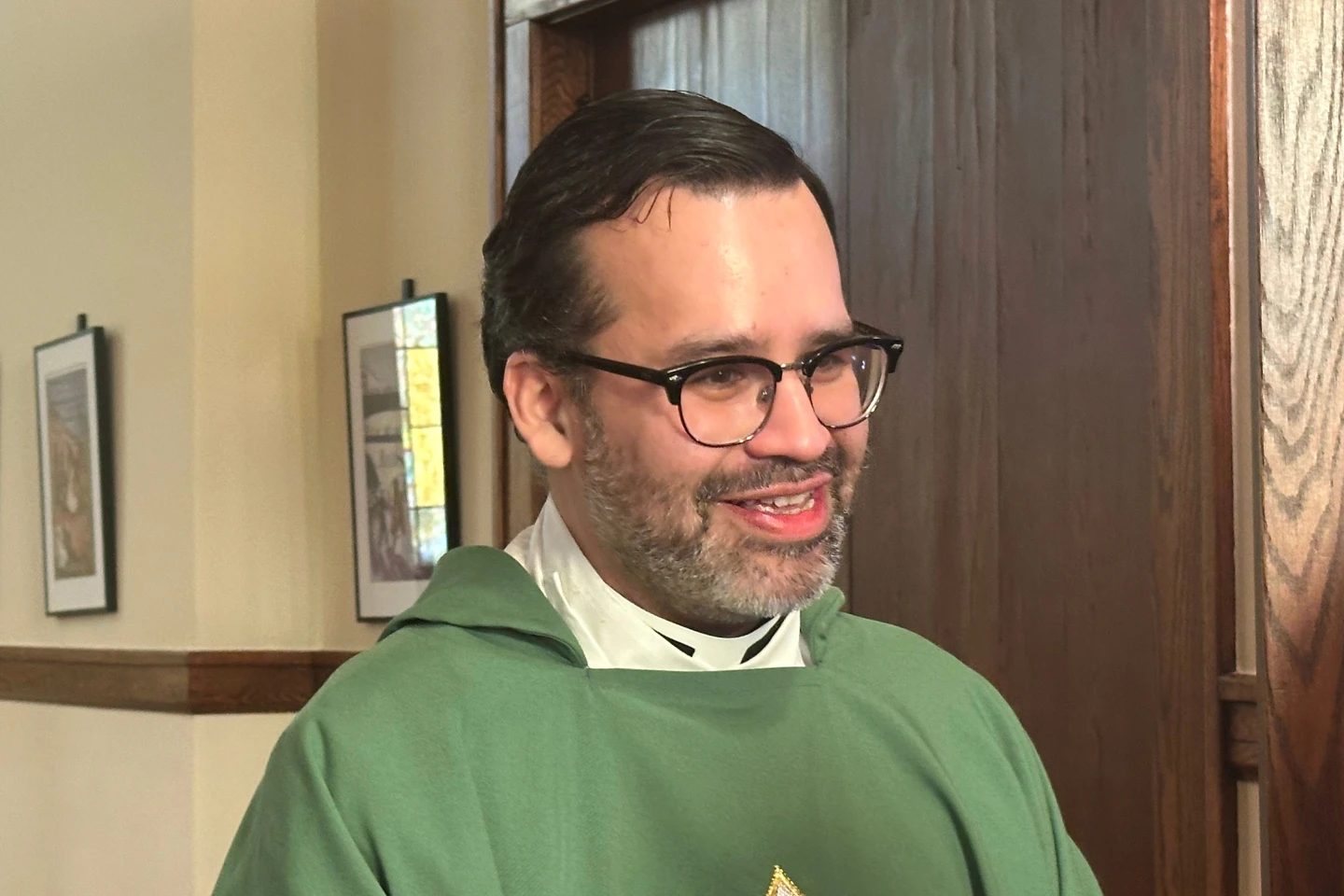
Faith leaders and immigration attorneys have welcomed this new rule as a significant victory. It’s a huge deal, said Lance Conklin, an immigration attorney for evangelical churches relying on R-1 visas. The U.S. Catholic Church has long drawn on foreign clergy amid a national priest shortage, while other faith traditions such as Buddhism and Pentecostalism also recruit from abroad to fill positions requiring specialized training.
The changes come at a time when many immigration pathways have been tightened. As such, advocates see this step as crucial for protecting religious freedom and ensuring that faith-based communities can function without interruption. The U.S. Conference of Catholic Bishops hailed the new rule as a significant move to support essential religious services.
Despite these updates, the green card process remains cumbersome. Due to quotas, demand often outstrips supply, resulting in lengthy waits, particularly for applicants from countries with high demand. New regulations have pressed religious workers and migrant children seeking special immigrant status into the same queue, exacerbating wait times. As of now, thousands of religious workers are estimated to be backlogged in the green card system.
In response to these changes, the Catholic Diocese of Paterson, New Jersey, filed a lawsuit in 2024 against DHS, seeking relief for its affected clergy. Although this lawsuit was dismissed to facilitate potential rulemaking, advocacy for improvements continues. Recent bipartisan bills have been proposed in Congress to allow for extensions of visa status for religious workers while their green card applications are processed.
One major update from DHS involves lifting the previous requirement for R-1 religious workers to exit the U.S. for one year after their five-year visa term. This policy change allows these workers to reapply for re-entry immediately upon departure, reducing disruptions for congregations dependent on their services. DHS emphasized its commitment to supporting religious organizations, stating, Pastors, priests, nuns, and rabbis are essential to the social and moral fabric of this country.
Faith leaders and immigration attorneys have welcomed this new rule as a significant victory. It’s a huge deal, said Lance Conklin, an immigration attorney for evangelical churches relying on R-1 visas. The U.S. Catholic Church has long drawn on foreign clergy amid a national priest shortage, while other faith traditions such as Buddhism and Pentecostalism also recruit from abroad to fill positions requiring specialized training.
The changes come at a time when many immigration pathways have been tightened. As such, advocates see this step as crucial for protecting religious freedom and ensuring that faith-based communities can function without interruption. The U.S. Conference of Catholic Bishops hailed the new rule as a significant move to support essential religious services.
Despite these updates, the green card process remains cumbersome. Due to quotas, demand often outstrips supply, resulting in lengthy waits, particularly for applicants from countries with high demand. New regulations have pressed religious workers and migrant children seeking special immigrant status into the same queue, exacerbating wait times. As of now, thousands of religious workers are estimated to be backlogged in the green card system.
In response to these changes, the Catholic Diocese of Paterson, New Jersey, filed a lawsuit in 2024 against DHS, seeking relief for its affected clergy. Although this lawsuit was dismissed to facilitate potential rulemaking, advocacy for improvements continues. Recent bipartisan bills have been proposed in Congress to allow for extensions of visa status for religious workers while their green card applications are processed.