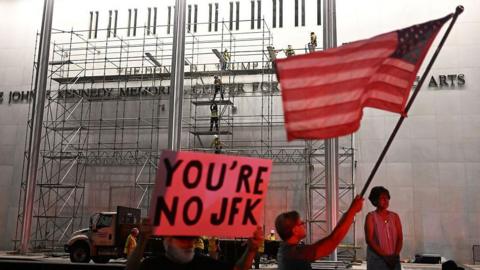
After the shooting of a woman in Minneapolis by an ICE officer, Minnesota is witnessing a wave of protests against immigration enforcement actions. The incident that left Renee Good, a 37-year-old mother, dead has triggered numerous demonstrations across the state and beyond, highlighting community outrage over federal immigration tactics.
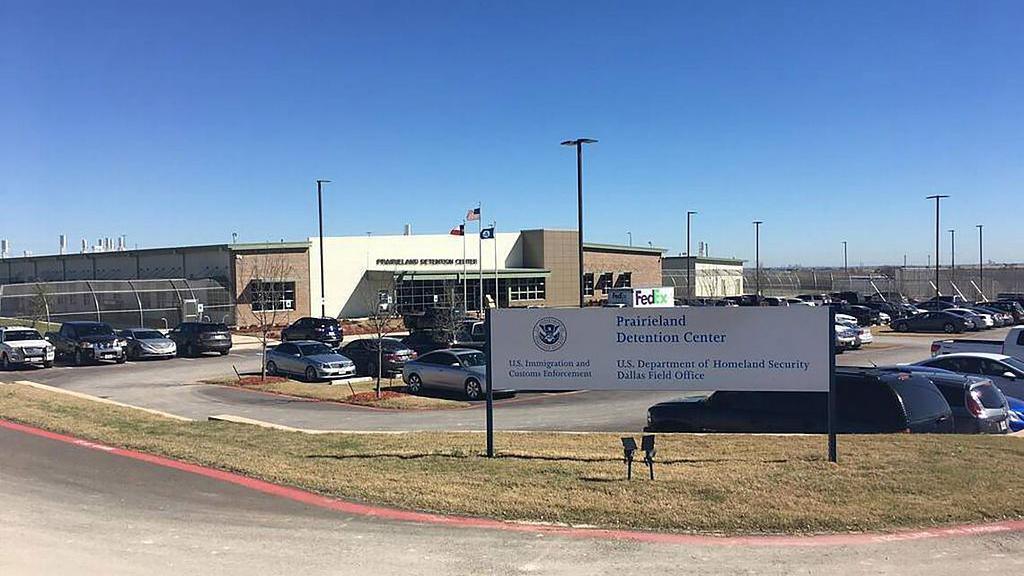
The federal government announced a significant increase in immigration enforcement in Minnesota, deploying over 2,000 officers in what has been described as the largest operation of its kind. In response, Minnesota's Attorney General Keith Ellison announced a lawsuit aimed at stopping the surge, claiming it constitutes a violation of First Amendment rights.
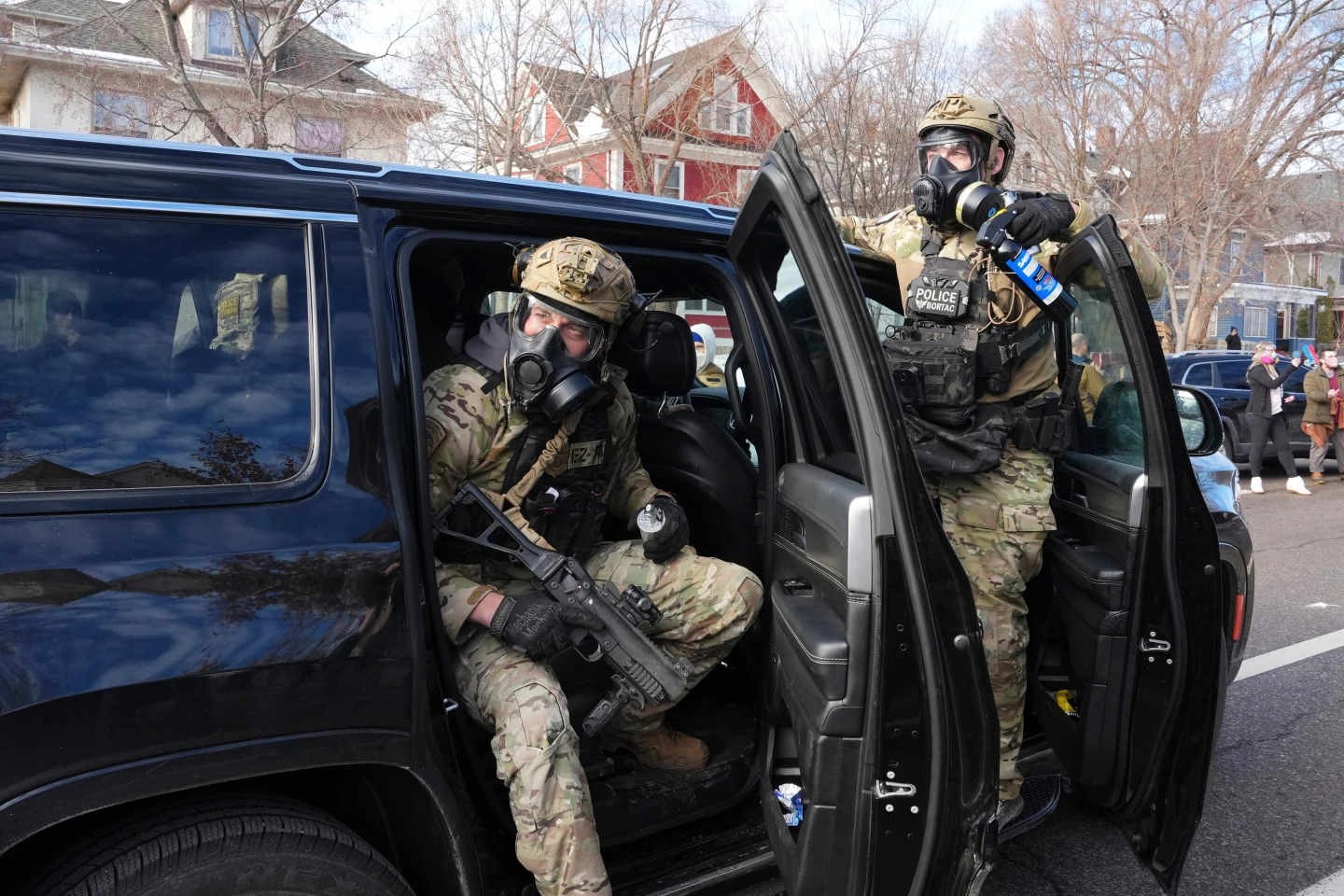
During the unrest, federal agents have clashed with protesters, resorting to tear gas as crowds gathered to oppose ICE actions. In St. Cloud, hundreds rallied outside businesses owned by the Somali community as ICE officers conducted inquiries.
Ellison characterized the escalating federal presence as a federal invasion aimed at suppressing dissent in a state known for its progressive stance on immigration. Local leaders have joined forces to push back against federal tactics they claim are both dangerous and discriminatory.
The Trump administration, defending its actions as necessary for public safety, has dismissed the lawsuit as baseless. Homeland Security spokesperson Tricia McLaughlin reiterated that President Trump is committed to enforcing immigration laws regardless of state opposition.
Meanwhile, the aftermath of the shooting has led to national solidarity demonstrations and vigils for Good, with critics of the administration’s policies demanding accountability and change.
As the situation continues to evolve, local and state officials stress the need for dialogue and reform regarding immigration enforcement practices to ensure community safety and uphold constitutional rights.