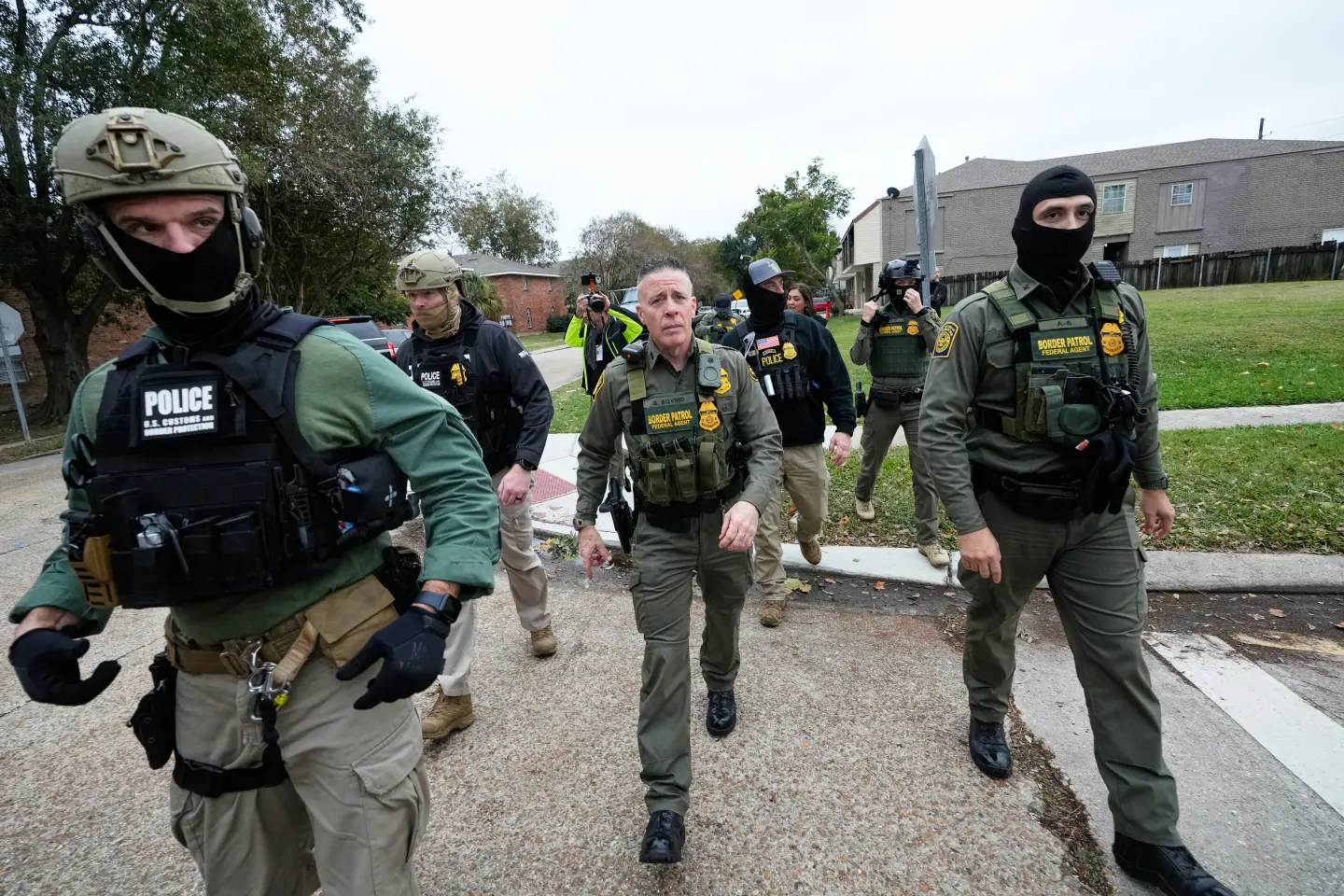
NEW ORLEANS (AP) — Federal immigration officers are pulling out of a Louisiana crackdown and heading to Minneapolis in an abrupt pivot from an operation that drew protests around New Orleans and aimed to make thousands of arrests, according to documents obtained by The Associated Press.
The shift appeared to signal a wind down of the Louisiana deployment that was dubbed “Catahoula Crunch” and began in December with the arrival of more than 200 officers. The operation had been expected to last into February and swiftly raised fears in immigrant communities.
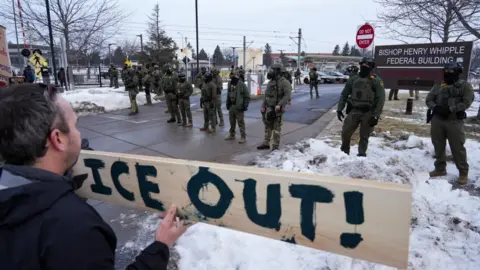
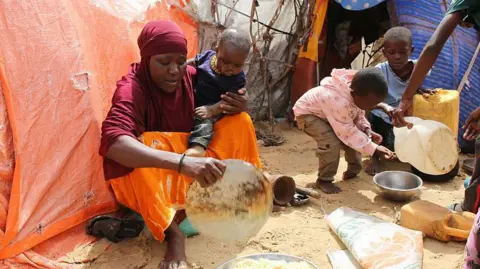
The Trump administration has been surging thousands of federal officers to Minnesota under a sweeping new crackdown tied in part to allegations of fraud involving Somali residents. More than 2,000 officers are taking part in what the Department of Homeland Security has called the biggest immigration enforcement operation ever.
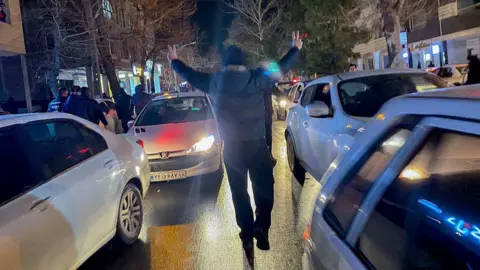
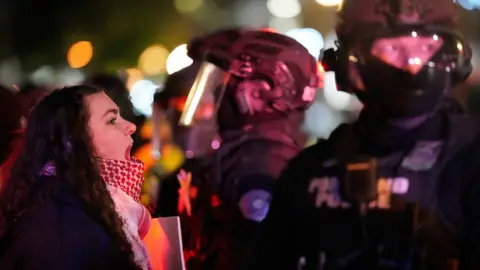
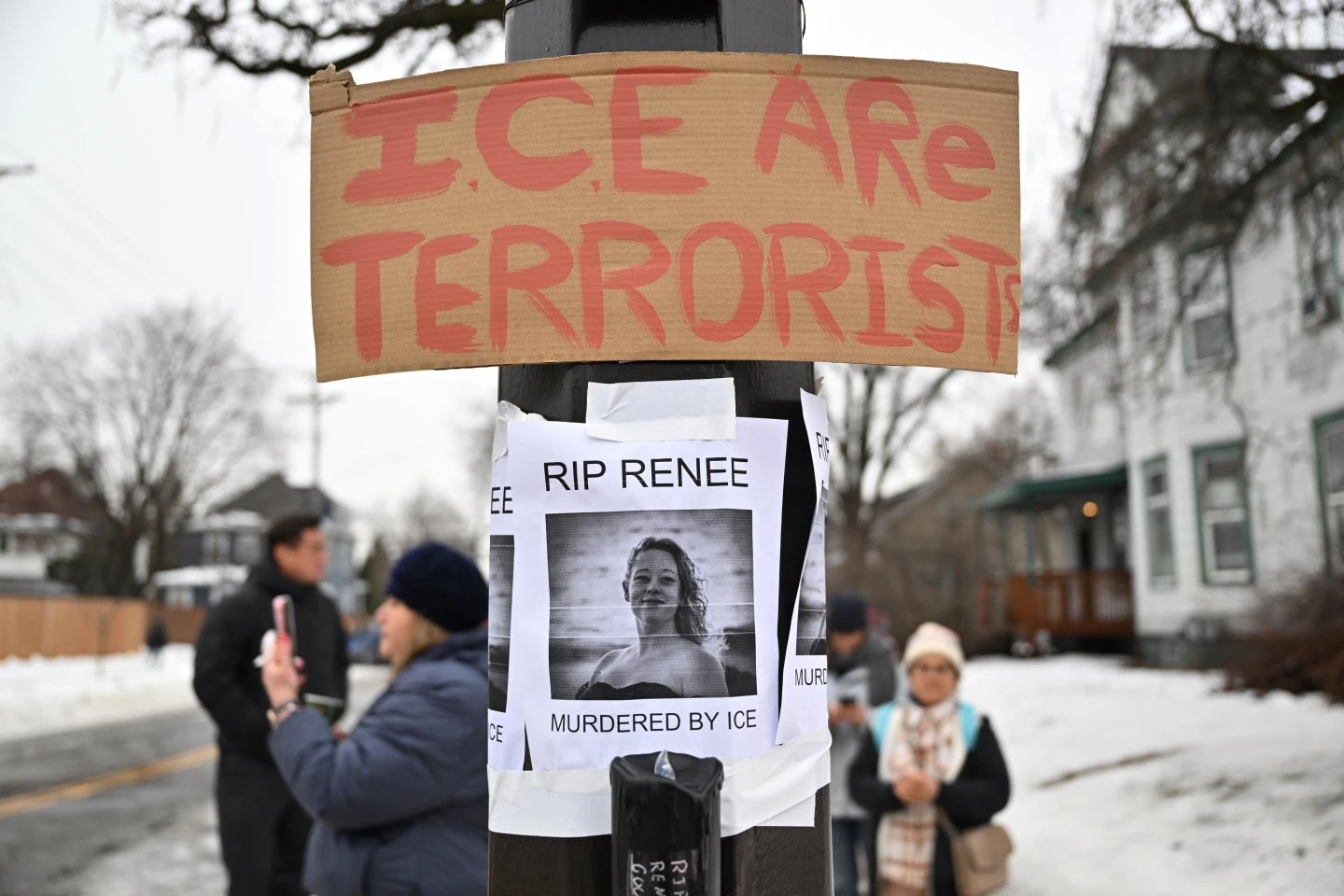
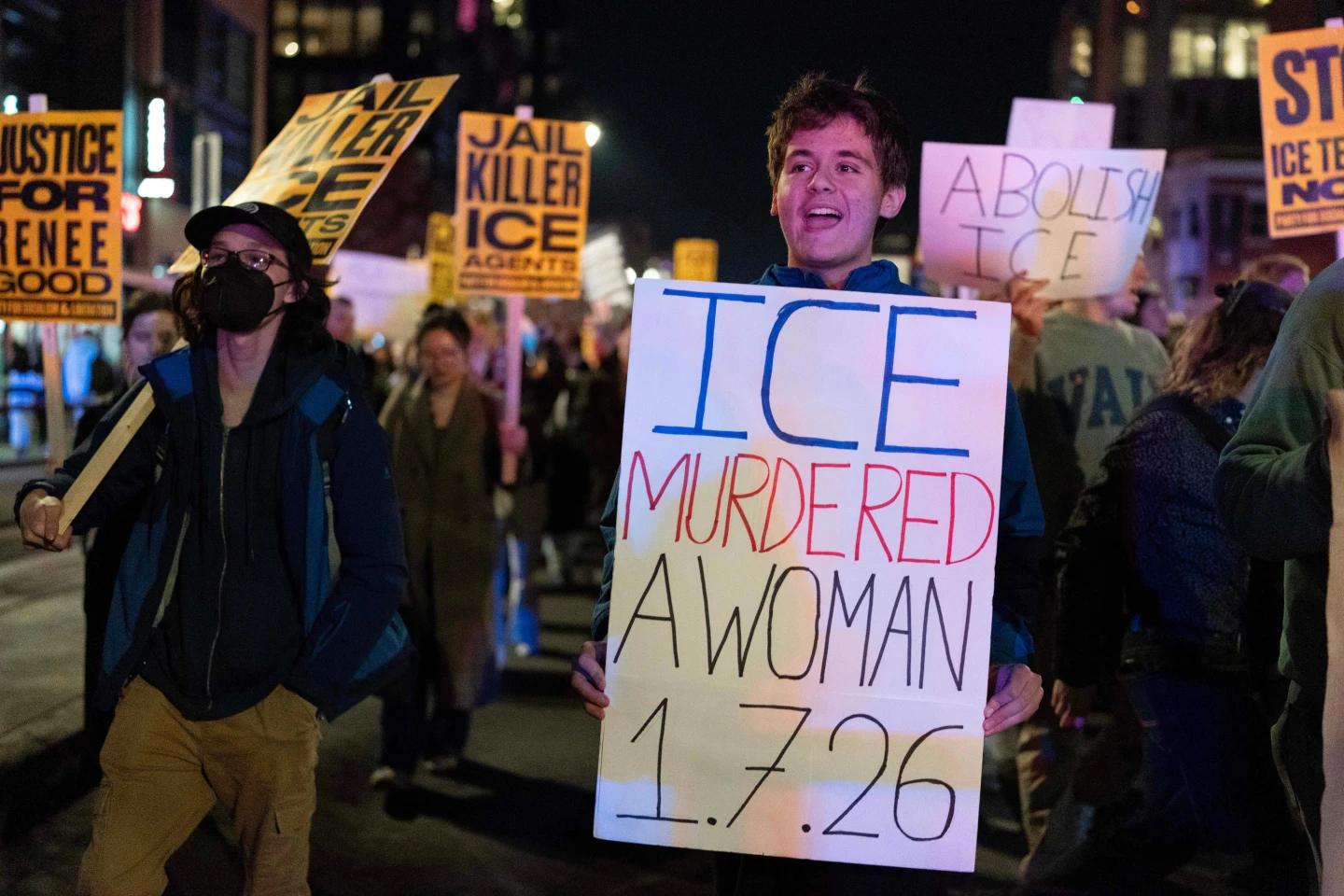
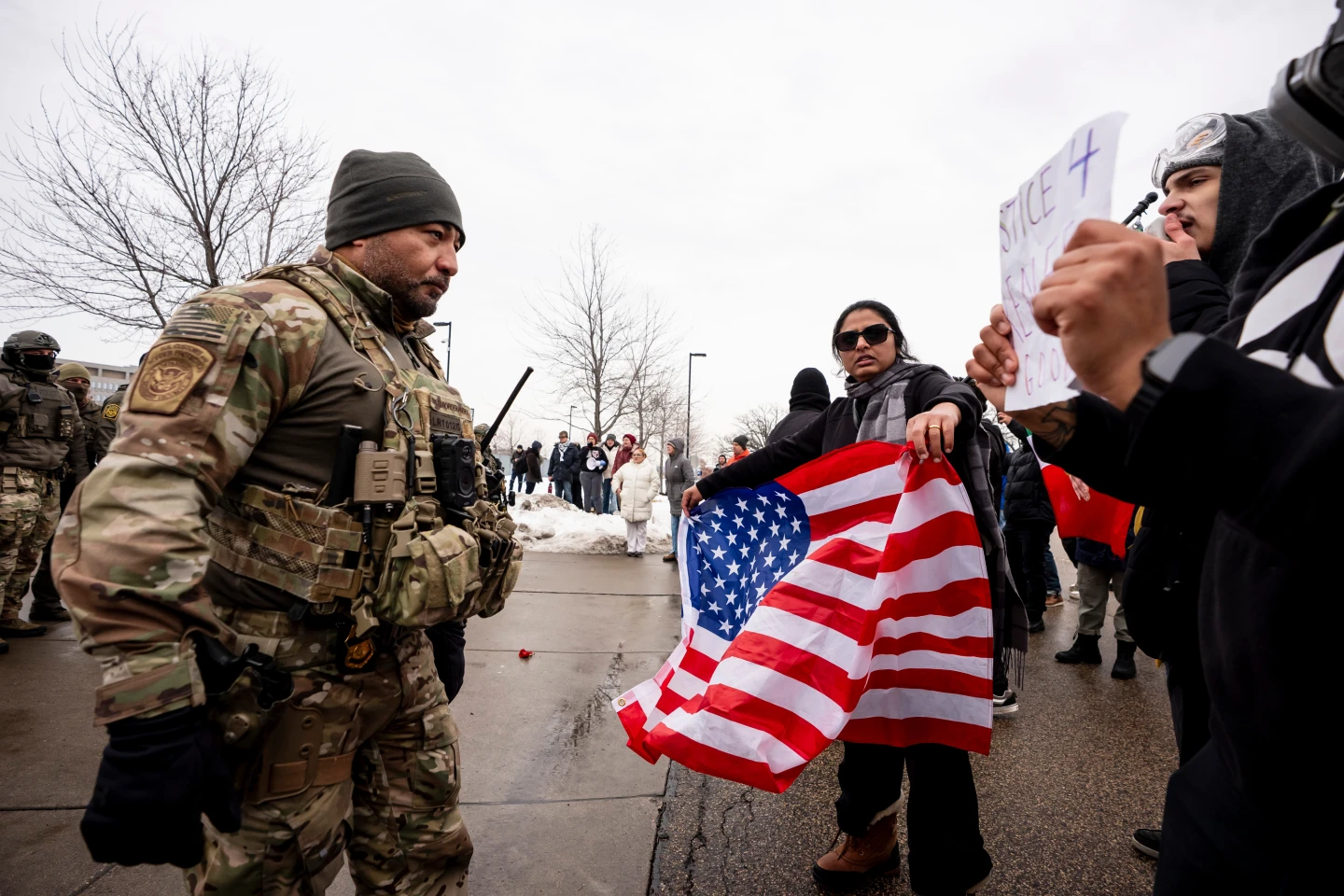
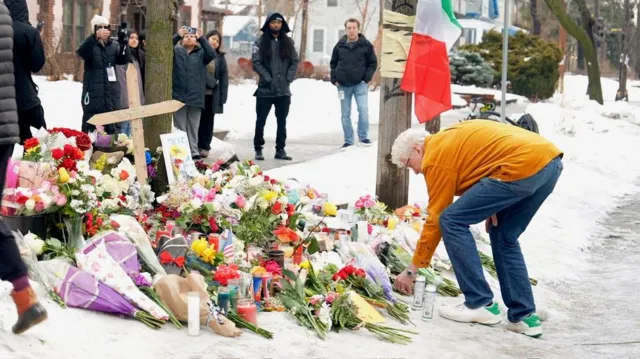
The officers in Minneapolis have been met with demonstrations and anger after an ICE officer fatally shot a woman on Wednesday.
Documents obtained by the AP indicated that federal officers stationed in Louisiana were continuing to depart for Minneapolis late this week.
“For the safety of our law enforcement, we do not disclose operational details while they are underway,” DHS said Friday in response to questions about whether the Louisiana deployment was ending in order to send officers to Minnesota.
In December, DHS deployed more than 200 federal officers to New Orleans to carry out a monthslong sweep in and around the city. The operation had a target of 5,000 arrests, but resulted in about 370 arrests as of December 18, according to DHS.
Local leaders have raised concerns about the impact of the crackdown on immigrant communities and have criticized the unrealistic goals set by the operation.
The Louisiana operation heavily targeted the Hispanic enclave of Kenner just outside New Orleans, leading immigrant-run businesses to close down due to fear of harassment.
The abrupt shift of officers to Minneapolis amidst ongoing protests and accusations connected to the Somali community raises more questions about the immigration policies being adopted in these operations.