The EU's top diplomat has called Moscow's claims that Ukraine targeted Russian government sites a 'deliberate distraction' and an attempt to derail the peace process.
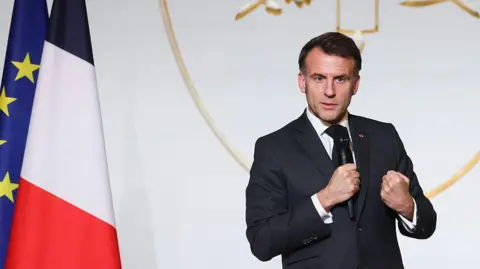
Kaja Kallas' comments on social media appear to be a reference to the Kremlin's allegation that Ukraine attempted a drone strike on one of Vladimir Putin's residences.
'No one should accept unfounded claims from the aggressor who has indiscriminately targeted Ukraine's infrastructure and civilians,' Kallas wrote.
Earlier this week, Moscow accused Ukraine of targeting Putin's private home on Lake Valdai in north-west Russia.
Russia would review its position in the ongoing peace negotiations as a result, the Kremlin said.
Since Foreign Minister Sergei Lavrov first shared the claims, Russian state media and politicians have framed the alleged attack with increasing aggression. 'The attack is a strike on the heart of Russia,' said Andrei Kartapolov, head of the Russian parliament's defence committee. 'After what [Ukraine] has done, there can be no forgiveness.'
Although the Kremlin initially said it saw no point in providing proof of the alleged attack, it later released what it claimed were evidences of the attempted strike.
This included a map supposedly showing the drones being launched from Ukraine's Sumy and Chernihiv regions and a video of a downed drone, which Russian officials claim is of Ukrainian origin.
However, the BBC has been unable to verify this footage or the claims regarding the drone's origins. The type shown could easily be constructed from widely available components, making definitive attribution unfeasible.
Ukrainian President Volodymyr Zelensky denied the allegations, suggesting they were connected to a US-led effort to reach a ceasefire.
Zelensky argued that the claims about the drone attack were designed to disrupt recent positive interactions between the US and Ukraine's negotiating teams. He warned that such allegations might set the stage for renewed strikes on Ukrainian cities.
As the conflict continues, recent drone strikes on Odesa, which led to civilian injuries and damage to infrastructure, underscore ongoing violence in the region.
While Kallas and others advocate for negotiations to resume, skepticism remains regarding Russia's willingness to engage meaningfully in peace efforts, especially in light of the current narrative surrounding the alleged drone striking the Russian president's residence.