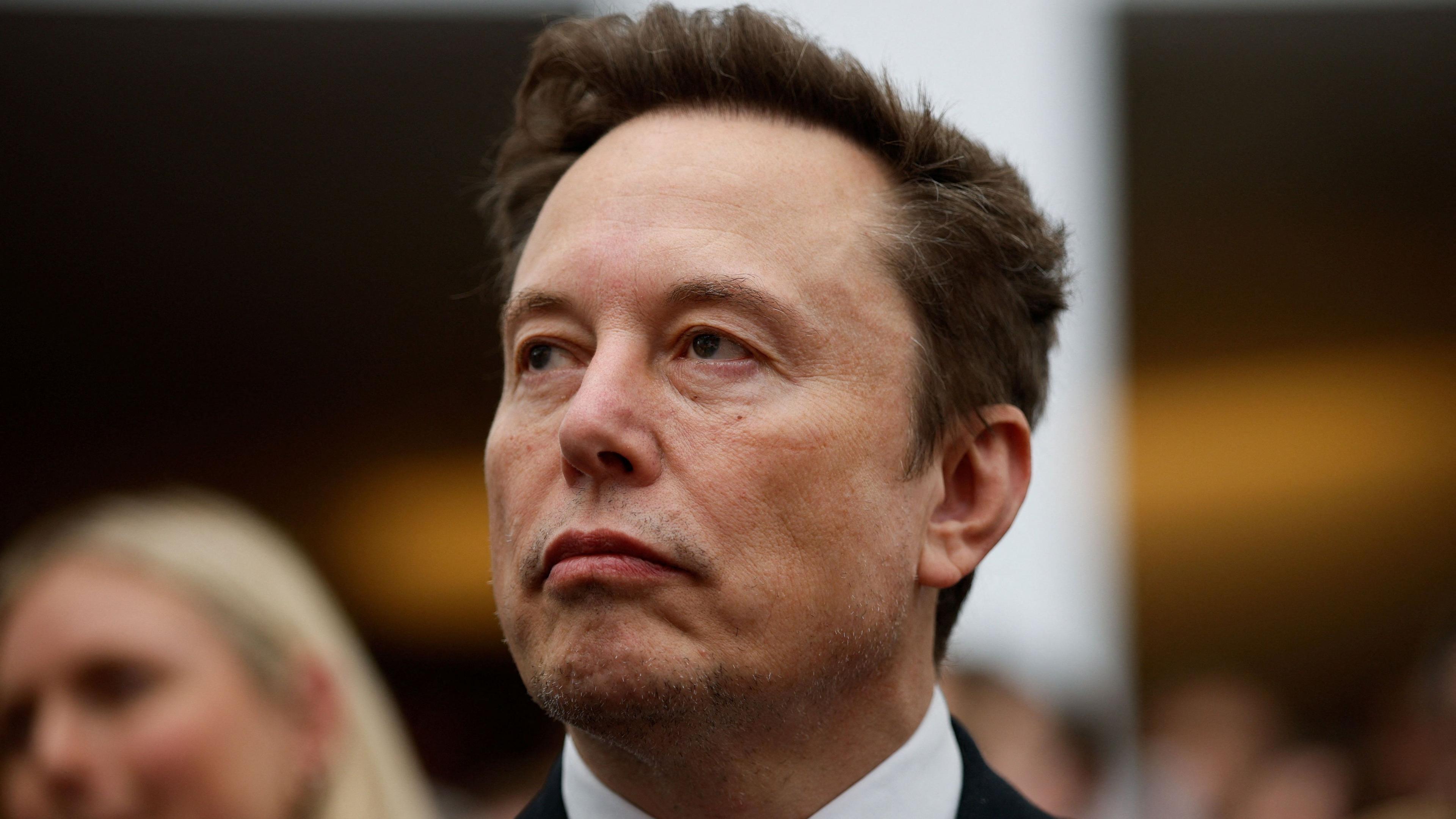
Elon Musk’s public tirade hits the heart of India’s telecom empire

SpaceX’s satellite‑internet service Starlink is still awaiting its final licence to launch in India, a delay that has prompted former Tesla CEO Elon Musk to publicly challenge the country’s most affluent businessman, Mukesh Ambani.
The remarks arrived a day after Musk accused unnamed oligarchs of obstructing the company’s entry, later singling out Ambani, whose Reliance conglomerate owns Jio, the nation’s largest mobile network operator.
India’s Ministry of Communications stood firm, asserting that Starlink, OneWeb and Jio Satellite are at an equivalent stage, each pending security clearance and spectrum allocation.
Ambani and his Reliance Group have not issued a response, and so far, neither the telecom giant nor Bharti Airtel have commented on the situation.
A wider‑world battle for India’s $4.5 trillion internet market is underway, with both Jio and Airtel preparing to launch satellite services after inked agreements with SpaceX in March 2025. The partnership allows both operators to deploy Starlink’s hardware and may even enable shared infrastructure.
Regulatory roadblocks and security fears
Security has become a focal point as the Indian authorities recovered Starlink equipment during a drug‑smuggling probe in the Andaman and Nicobar Islands and during a military operation in Manipur in 2024. Musk warned that the equipment might have been non‑functional and urged that “the service has never been active” in the country.
Despite the setbacks, Starlink has already obtained licences in over 165 countries and has worked for years to satisfy regulatory demands, citing compliance with security and legal requirements worldwide.
The cost question
While Starlink’s U.S. residential plans start at roughly $55 a month, it is still unclear how the service would price itself in India. Early estimates suggest that the cost could be prohibitive for a large segment of the country’s population, especially in rural areas where broadband penetration remains low.
Musk has repeatedly highlighted Starlink’s potential to bridge digital divides, arguing that the service could provide affordable, high‑speed connectivity where fixed‑line infrastructure is absent.
The clash between Musk and Ambani casts a spotlight on India’s regulatory environment and the broader debate over who governs the future of connectivity. The outcome will shape not just the fortunes of the companies involved, but also the everyday digital experience of millions of Indians seeking reliable internet.