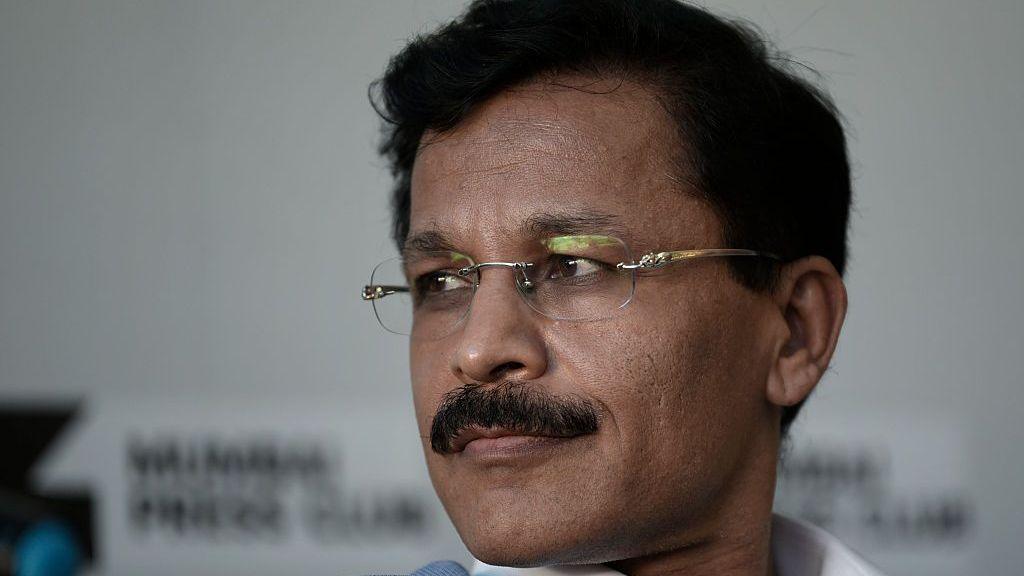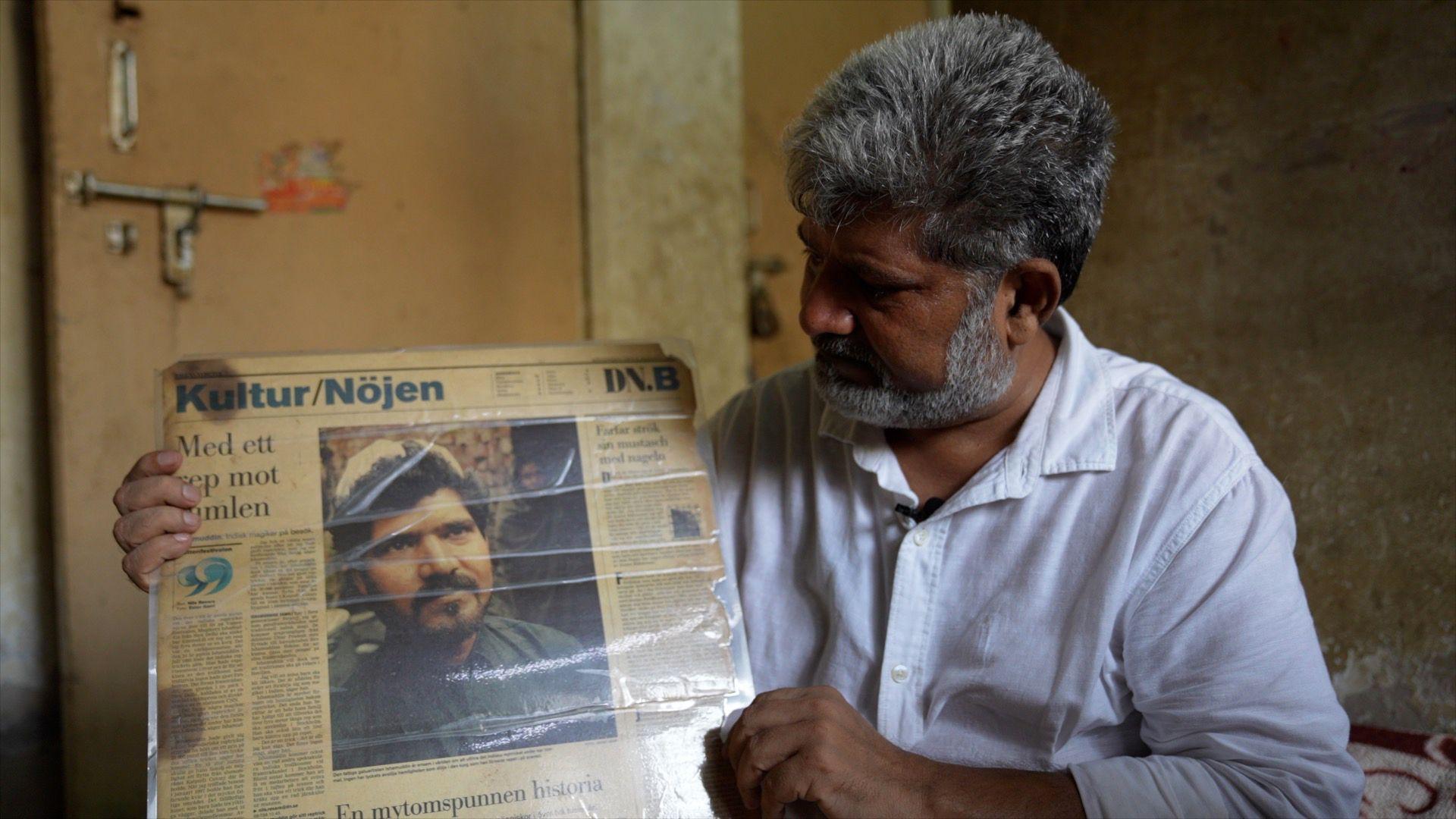
Ishamuddin Khan, a 55‑year‑old magician from Delhi, once drew crowds with a rope that seemed to lift and then let a boy climb it. After decades of fame, he now sits in a cramped home surrounded by pictures and newspaper clippings of tours in the UK, France and Japan.
The trick that made Khan famous takes six years to master. He first performed it publicly in 1995 outside the Qutub Minar, and in 1997 the same act drew 30,000 sights on a beach in Karnataka. That visibility opened doors abroad, but the glow of the spotlight has since dimmed for most street artists.
The economic squeeze is one of the main reasons too. With fewer open markets, performers are forced to move to industrial areas or private gardens, truncating what used to be frequent shows. Shahim Khan, for example, now conducts only two shows a day in an industrial zone, earning as little as 400 rupees, compared with a thousand when he was a regular performer.
Regulatory barriers also stifle the trade. India has no national busking framework; each state enforces its own rules on public order, noise and land use. This patchwork of laws can treat a street performer as a beggar, forcing them to seek permits that are hard to obtain. A lawyer, Kaushik Mitra, explained that the line between voluntary payment and begging has blurred, leading to police crack‑downs.
Changing public spaces have played a role too. Closed parks, gated residential societies and tighter security mean streets that were once open venues for performers are now crowded or off‑limits. Anurupa Roy, founder of Katkatha Puppet Arts Trust, noted that “closed parks and residential societies that bar outsiders are limiting spaces for performance.” Komita Dhanda, a researcher and performer, added that “with tighter security, especially in busy town centres, there is little space left for street performers.”
Covid‑19 struck a blow that many could not recover from. The 2020 lockdown stopped all public performances, pushing many performers back to their villages, where most never returned. Even those who resumed theatre face dwindling audiences as people prefer short‑form digital entertainment on smartphones.
The legacy at risk – Khan’s main worry is that no one will learn his ropes if the practice stops. He told us that “a trick can survive only if someone learns it.” His son, Altamash, once dazzled with juggling but now works as a party decorator, grappling with the memory of a faded skill. Khan’s concerns echo others in the Madari community, a group of around 400 families in Delhi and several hundred more across the north. Historically, these performers have passed tricks across generations, but the 21st‑century shift is eroding the line that keeps the craft alive.
While the stand‑alone magic performances may be dwindling, some performers have turned to new platforms. Shahim’s 12‑year‑old daughter, Alia, helps perform in industrial areas, and a few talent‑scouts have begun bringing street acts to festivals outside the city. Nonetheless, without public space and a supportive regulatory framework, the vibrant tradition that shook India’s streets for centuries is on a ventilator – a slow death that could leave a generation of tricks forgotten.