MINNEAPOLIS (AP) — The extensive federal immigration enforcement operation in Minnesota, which had led to significant community backlash and multiple fatalities, is nearing its conclusion, announced immigration enforcement official Tom Homan on Thursday.
According to Minnesota Governor Tim Walz, the operation, known as Operation Metro Surge, could end in days rather than weeks or months, reflecting recent dialogues with Trump administration representatives.
This effort has ensured that Minnesota is less of a sanctuary state for those associated with criminal activity, remarked Homan during a press conference, indicating an ongoing strategy to reinforce community safety.
Federal statistics indicate more than 4,000 individuals have been apprehended during the operation; however, it has also involved the detention of numerous innocents, including children and lawful residents, which has raised serious concerns in the community.
The operation has left Minneapolis with an improved safety perception, Homan emphasized, reiterating the assertion that the initiative is vital to reducing criminal sanctuary zones within the state.
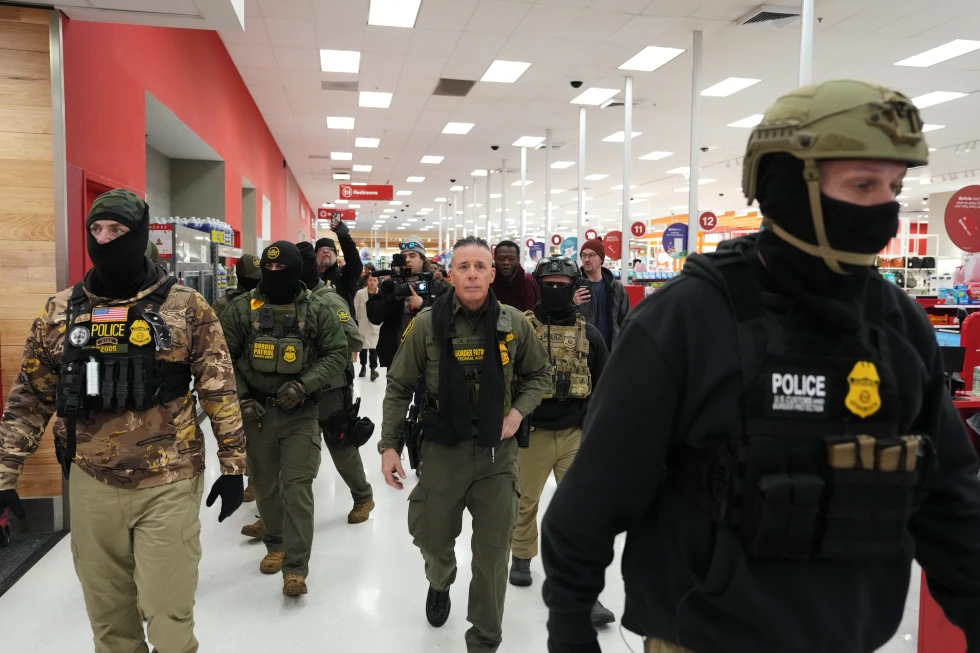
Last week, Homan disclosed plans to remove 700 federal officers from Minnesota immediately, while over 2,000 would still remain actively involved in the enforcement. This drawdown began last week and is expected to continue next week under Homan's supervision.
Minneapolis Mayor Jacob Frey expressed optimism regarding a recent meeting with Homan, acknowledging discussions on further reducing federal officer presence in the area.
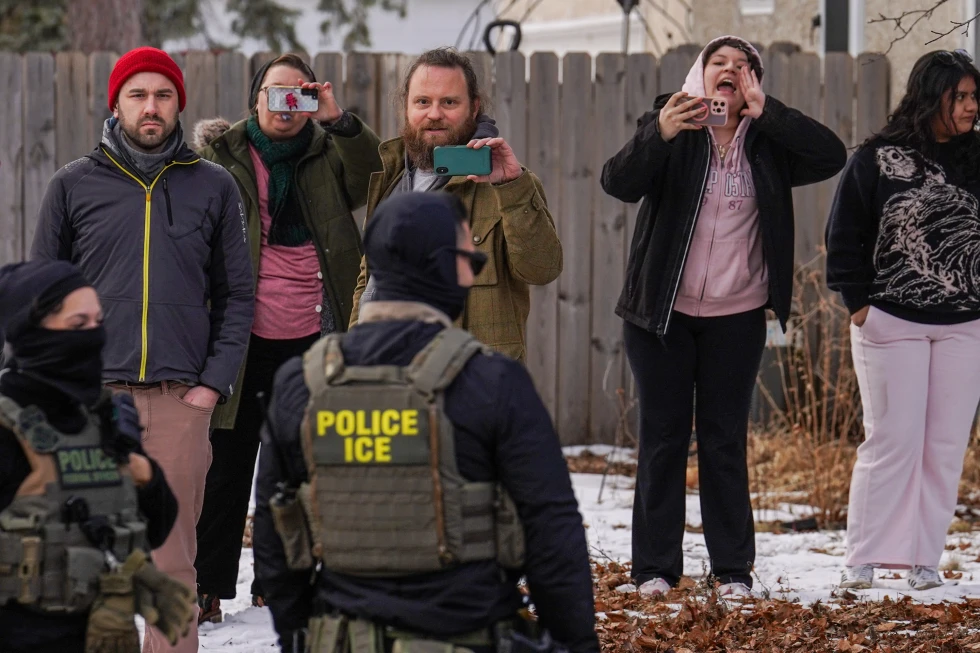
The operation was instituted amid heightened tensions following a pattern of deadly confrontations involving federal agents and local residents, prompting community protests against the heavy-handed tactics employed by immigration enforcement.
Walz characterized the operation as a lingering occupation of sorts, asserting that Minnesota residents deserved clarity and assurance moving forward. He relayed his expectation of further updates from the administration soon regarding the future of federal operations in the state.
In a partnership effort, Homan previously articulated that reduced federal involvement would be necessitated by growing cooperation from local jails and law enforcement agencies managing deportable individuals, further prompting state optimism about a phased withdrawal of officers.