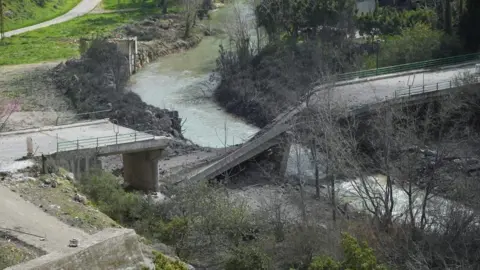
Israeli air strikes have destroyed two bridges over the Litani River linking southern Lebanon with the rest of the country, the military reports. This operation comes shortly after announcements that Israeli forces would target crossings allegedly being utilized by Hezbollah to move fighters and weapons.
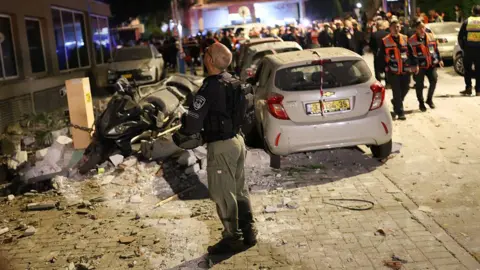
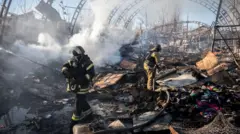
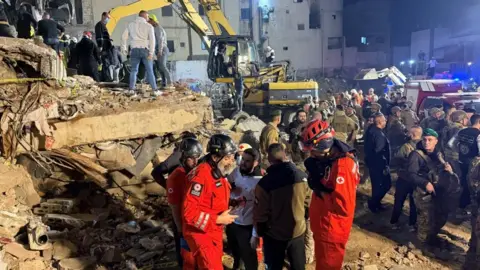
In addition to the bridge destruction, Israeli strikes have struck multiple areas in Beirut, resulting in at least 12 deaths and 27 injuries, as confirmed by Lebanese authorities. This escalation marks a significant expansion of military operations from the southern suburbs into central Beirut.
According to the Lebanese health ministry, 968 individuals, which include at least 111 children, have died since the onset of conflict on March 2.
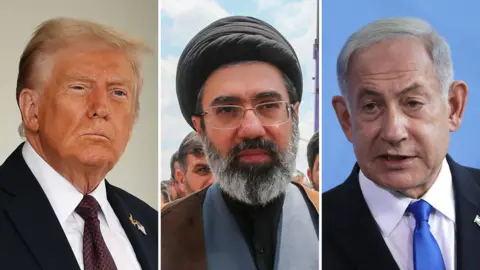
The intensifying violence has drawn Lebanon deeper into the U.S.-Israel conflict against Iran, particularly after Hezbollah launched missiles into Israel. In retaliation, Israel initiated air strikes and subsequently sent ground troops into southern Lebanon.
Israeli Defense Minister Israel Katz stated that the bridges were targeted as a "direct action against Hezbollah's use of Lebanon's state infrastructure to support terrorist activities." However, Hezbollah has not publicly responded to these claims.
On the day of the strikes, the Israeli military had warned civilians near the Litani crossings to evacuate as some bridges had already been struck earlier in the week, sustaining serious damage.
The Litani River has long been critical to the fragile security of Lebanon. Under UN Security Council Resolution 1701, which concluded the 2006 war between Israel and Hezbollah, armed groups are forbidden from operating south of the river, yet Israel maintains that Hezbollah has a considerable presence in that area.
The ongoing Israeli threats to evacuate have exacerbated the existing humanitarian crisis, displacing over a million individuals, primarily in the areas most affected by Hezbollah's presence.
Overnight air strikes also impacted the town of Zefta within the Nebatieh district, further emphasizing the increasing intensity of the conflict.
As the humanitarian situation deteriorates, civilians are caught in the crossfire. Many residents report that Israeli strikes have come without warning, leading to increasing frustration and anger among the Lebanese populace.
While Israel claims its strikes target Hezbollah and their resources, civilian casualties remain alarmingly high, echoing similar tactics employed in previous military operations across the region.
Experts continue to predict a bleak outlook for Lebanon given the current trajectory of violence.
}