In brief
Last weekend's unrest in Paris and other French cities left scorched streets and outraged citizens. Between vandalised shop windows, looted stores and police clashes, narratives have split: some blame far‑left agitators, others argue opportunistic thieves and social‑media amplifications. The government has called for investigations and tighter security while opposition leaders seize the moment to criticise Macron. Students and regular activists highlight structural frustration about housing, education and rising living costs, shaping a broader European protest wave.
France is divided over who to blame for and what to learn from weekend riots
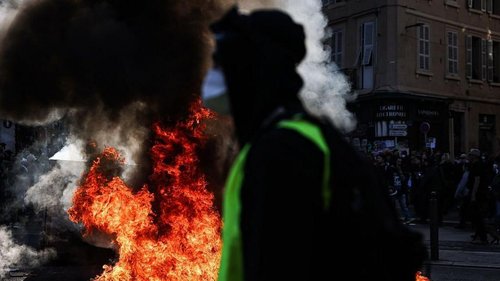
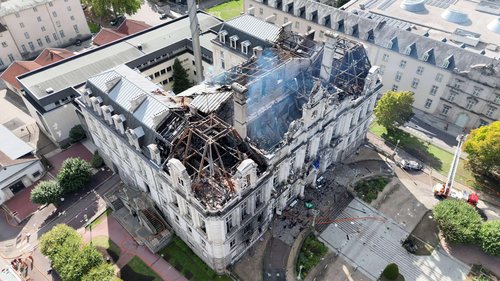
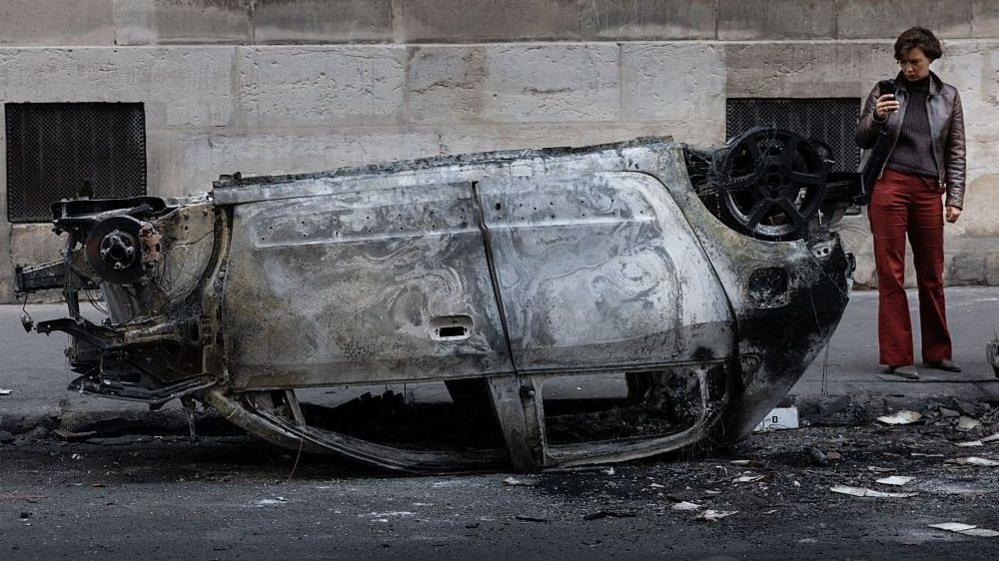
Across Paris and its suburbs, shattered shop windows and sprayed graffiti coloured the streets after Saturday’s protests devolved into looting and clashes with police.
Local residents such as Elisabeth described a scene of angry citizens arguing they did not represent the nation, insisting that the riot was not a reflection of France’s values.
Politicians on all sides have sketched a narrative: the French prime minister points to far‑left groups, especially the radical left party La France Insoumise (LFI), as planners; the presidential hopeful Marine Le Pen frames the event as evidence of political failure; while opposition leaders say the violence will help them portray Macron’s administration as incompetent.
The government has opened a parliamentary inquiry and promised that any perpetrators will face justice. Law enforcement admits it lacked enough officers on the scene, a shortfall that fed criticism of a perceived intelligence failure.
Meanwhile, students argue that their protests arose from legitimate frustrations over housing, education and cost of living, and that their anger was channelled through social‑media organisation rather than state collusion.
Social media platforms are now reviewing content and calling tech‑based black‑outs in response to the rapid spread of violent imagery. Belgian officials claim a TikTok‑style “jihadisation” of violence, echoing French concerns that feeds encourage radicalisation.
In the lead‑up to the next presidential election, polls show LFI’s Jean‑Luc Mélenchon is in a dip, but Marine Le Pen remains ahead thanks to her law‑and‑order narrative. The next six months of campaigning will be intensely heated as ordinary French citizens seek answers about why the streets filled with fire and fear.