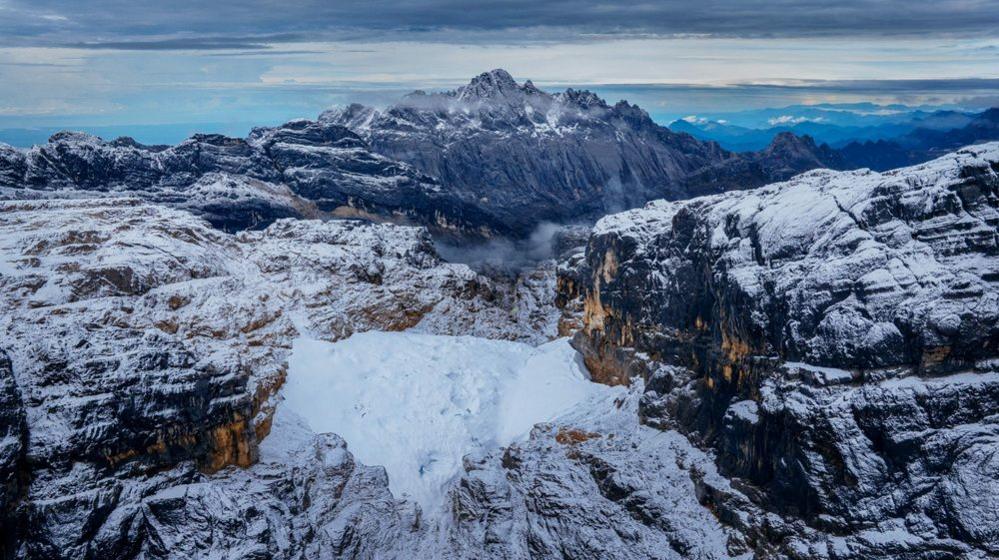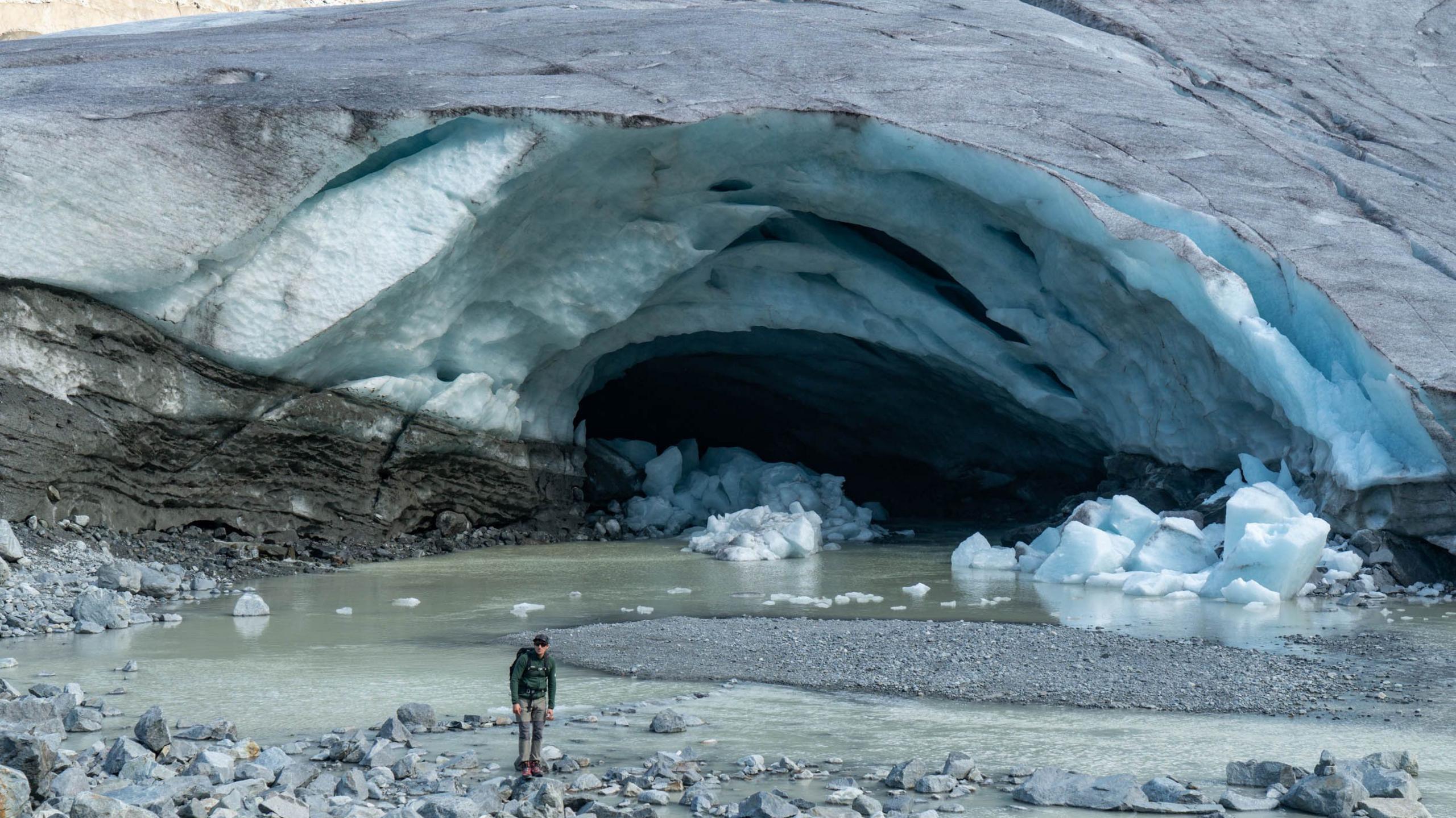
Swiss glaciers have never before shed as much ice in a single year; a new report from Glacier Monitoring Switzerland shows that more than five percent of the country’s remaining ice vanished during 2026.
The loss, measured to be about 5.5 %, is driven by a sequence of record‑high heatwaves in May and June that stripped the Alps of their usual winter snow cover, leaving dark, bare ice that absorbs more solar energy and melts faster.
Between July and September the meltwater released a staggering 2.2 trillion litres, a boon for irrigation, hydropower and shipping during a hot, dry summer, yet the freed water also shows how the frozen stores are being exhausted at an unsustainable rate.
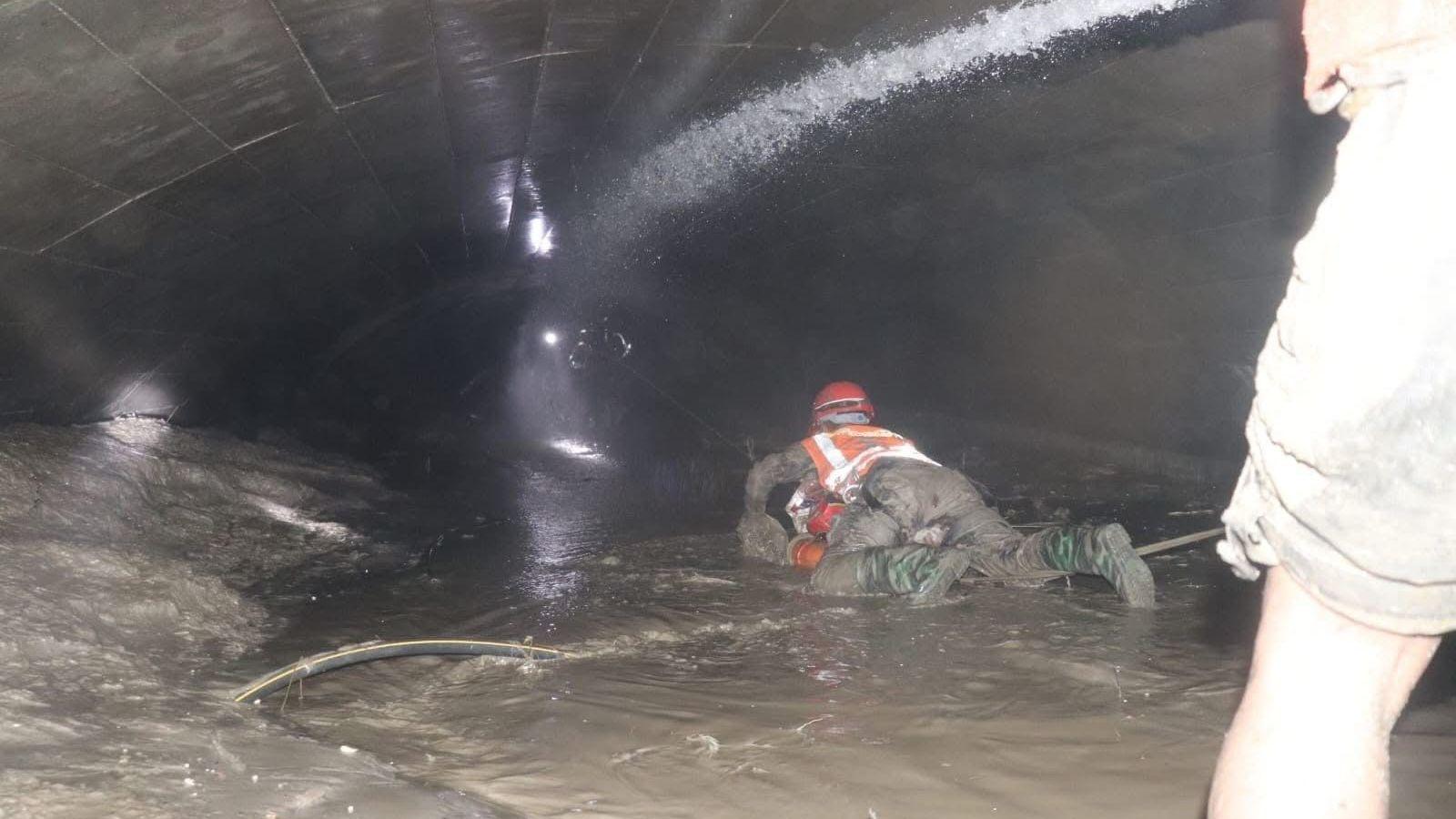
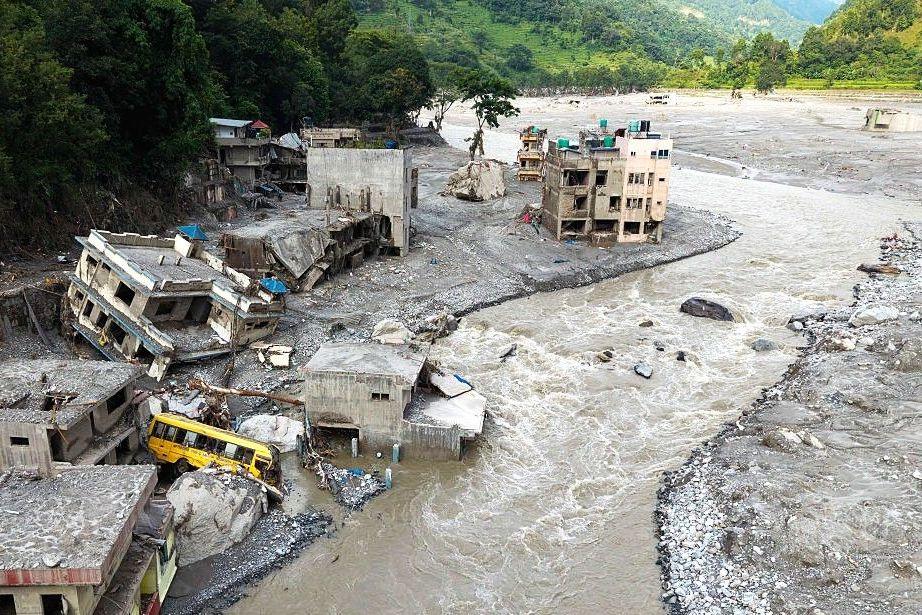
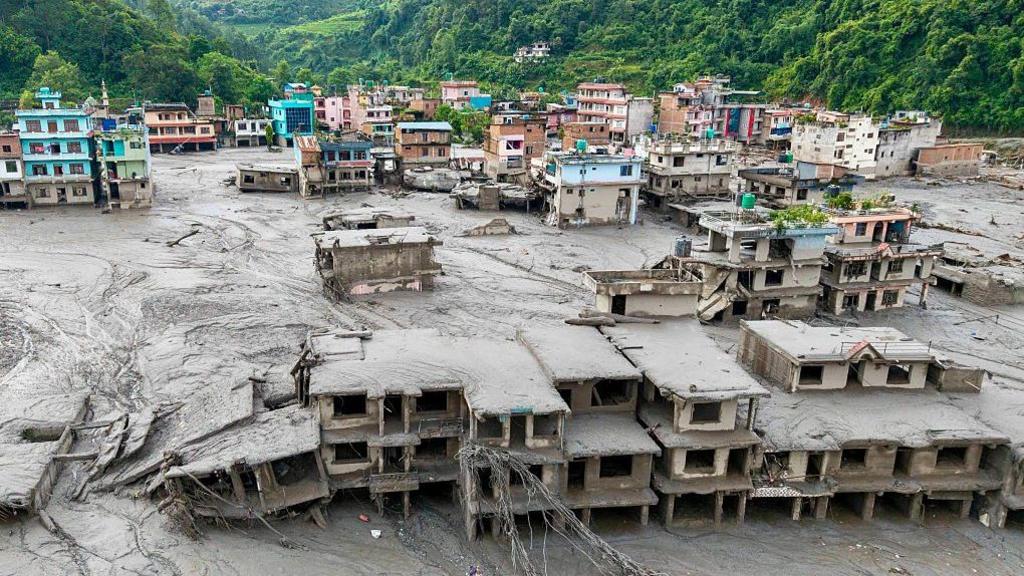
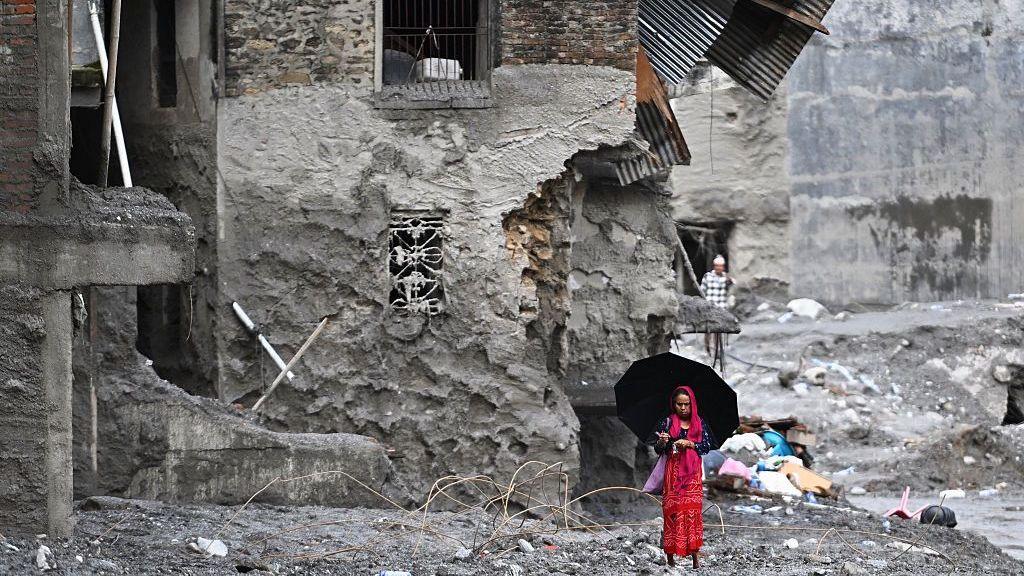
Experts warn that as glaciers retreat, the risk of mountain slope failure grows, causing landslides and flash floods – a danger that was starkly illustrated by the 2021 Nepal tragedy, where melting glaciers triggered by long‑term thawing amplified the catastrophe.
Measurements at some of the highest ridges – up to 3,500 metres – found no snow left at the end of summer, a situation that “stops the food chain” for glaciers, allowing them to keep shrinking and eventually disappear, says Dr Matthias Huss of Glacier Monitoring Switzerland.
While the accelerated melt reflects the pace of climate change, scientists say it can still be slowed: “If we cut carbon emissions sharply, we can protect the remaining ice in the Alps, the Himalayas, and the polar regions, limiting sea‑level rise that will affect billions along coastlines.”