Fear Lingers in Minnesota as ICE raids End
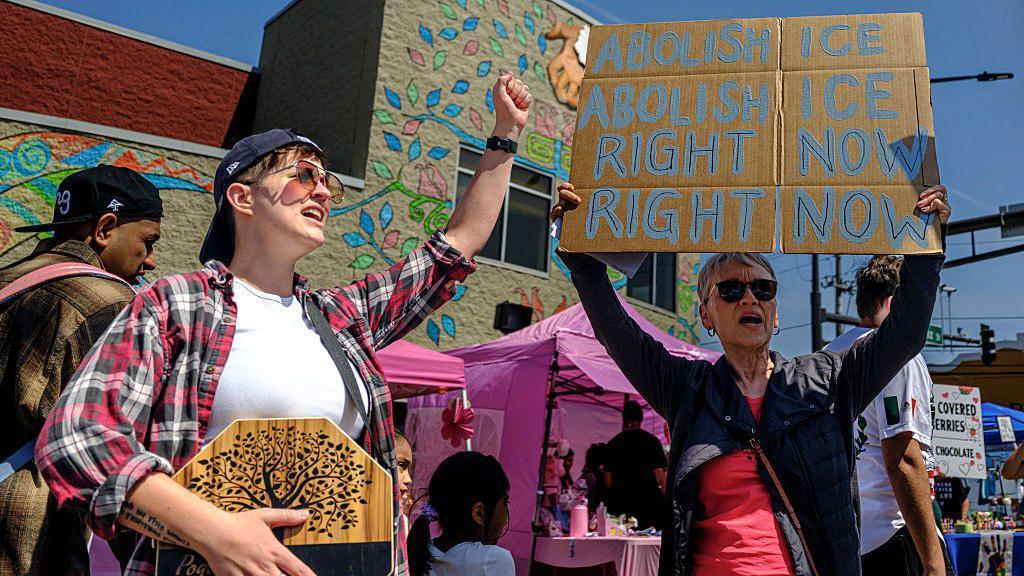
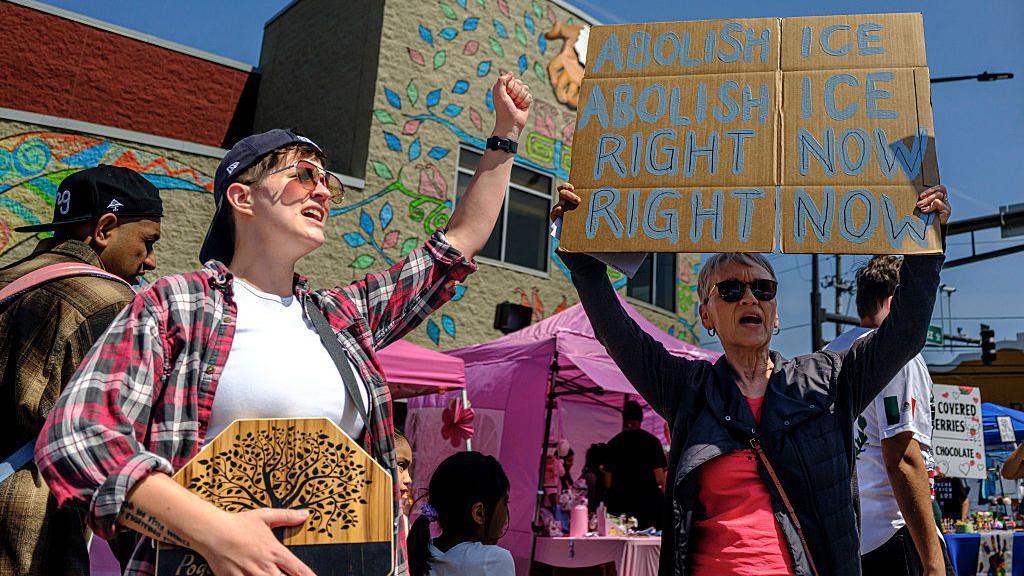
American students, refugees and community members in Minnesota are still living in fear after UNICEF announced that federal immigration agents passed through the state in a massive crackdown that ended months ago, but in many parts of the city the sense of danger remains.
Aliah, a 20‑year‑old student who fled Afghanistan in 2021, had expected her new American life to mean studying and work. But she was forced to confront the reality of agents in the Minneapolis area during Operation Metro Surge. “We’re still a little scared,” she told the BBC, a sentiment shared by many in the city.
The crackdown began in December under President Donald Trump and aimed to target undocumented immigrants who were also charged with criminal offences. The operation was linked to a fraud investigation in the state's childcare sector and claimed that many of those arrested were from the Somali community.
After footage of federal agents firing on two citizens protesting the raid surfaced, public outrage increased and, in February, the administration pulled hundreds of agents from the city. Yet, ICE agents remain in Minnesotans’ daily lives. A March lawsuit said the federal government still staffed 482 agents in the state, and local law‑enforcement actions such as being asked to produce employee lists demonstrate the continued pressure.
While the city is slowly returning to “normalcy,” the economic damage is still visible. The Lake Street corridor in the predominantly Hispanic neighbourhood of Phillips saw at least half of its businesses close, resulting in a monthly revenue loss of over $30 million. City officials estimate that the pandemic and the surge compounded this financial strain, with the US Immigration Policy Center estimating a $240 million loss in wages for many workers.
Immigration advocates say that the fear and uncertainty have long‑term effects, saying that trauma will influence future civic engagement and political views. Karen Blank, a teacher, told the BBC that although children are now back in school, “what they have witnessed will shape how they vote, what they believe, and what they think of our government.”
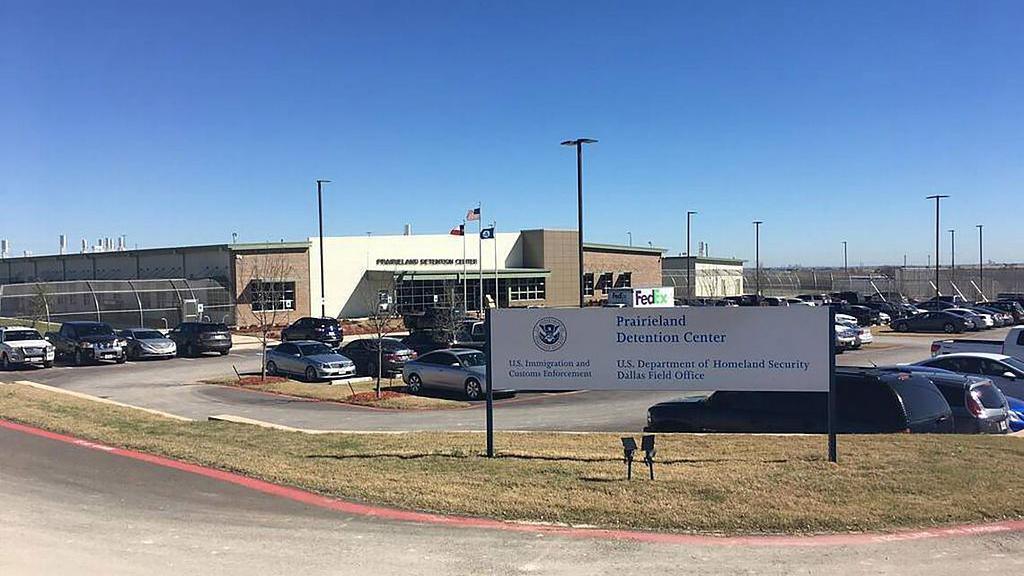
Some refugees still face legal uncertainty. USCIS announced that 5,600 people still waiting for green card status would be re‑vetted, and many were held in ICE detention out of state. Others—especially those in the suburb areas—have been asked to provide proof of lawful status for their businesses.