Violence Drives Colombia’s Presidential Race: Candidates Clash Over Security
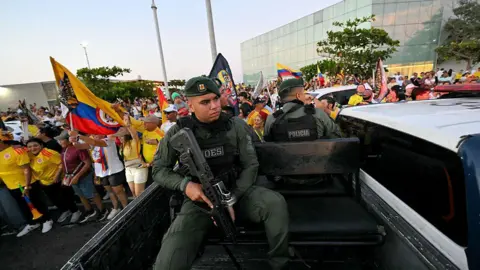
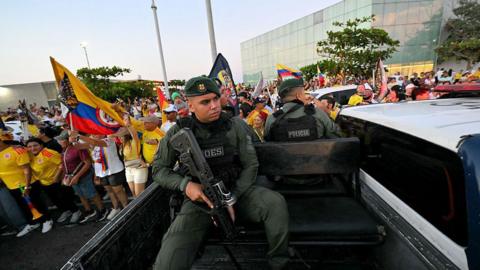
In a country where the scars of six decades of conflict are still fresh, the 2026 presidential election has taken on a new urgency. Every voter walks past a flash of police officers on patrol during campaign rallies, and the lingering threat of armed gangs spreads across the streets of Bogotá and beyond.
The story of Edilma Martínez Flores, who escaped her home in Cali after an armed group distributed leaflets ordering residents to leave, is one of many that highlight how ordinary lives are disrupted by violence. “My brother was murdered for not paying an extortion payment, in front of his children,” she says, a chilling reminder that insecurity dominates the minds of voters on election day.
The current conflict scene is shaped by the growing presence of revolutionary armies. The FARC’s dissident factions, the National Liberation Army (ELN) and the criminal Clan del Golfo have all expanded their territorial reach in the past five years, exploiting the gaps left when the FARC disarmed under the 2016 peace deal. The result is a surge in extortion, kidnapping, and bombings that has displaced thousands of civilians and increased violence along the Venezuelan border.
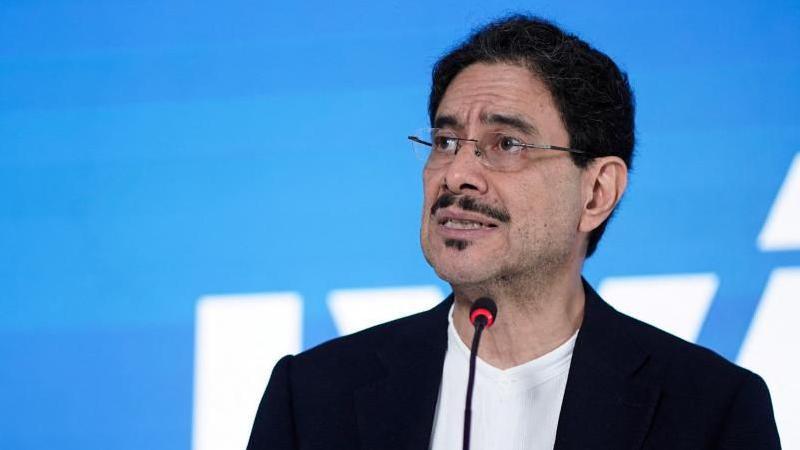
Against this backdrop the election pits two very different political visions. Left‑wing Senator Iván Cepeda, often dubbed the architect of President Gustavo Petro’s “total peace” strategy, promises negotiated security that couples state repression with social programs to tackle poverty and inequality. He has been an outspoken critic of the government's failure to rebuild state presence in former FARC territories, arguing that lack of authority allows armed groups to thrive.
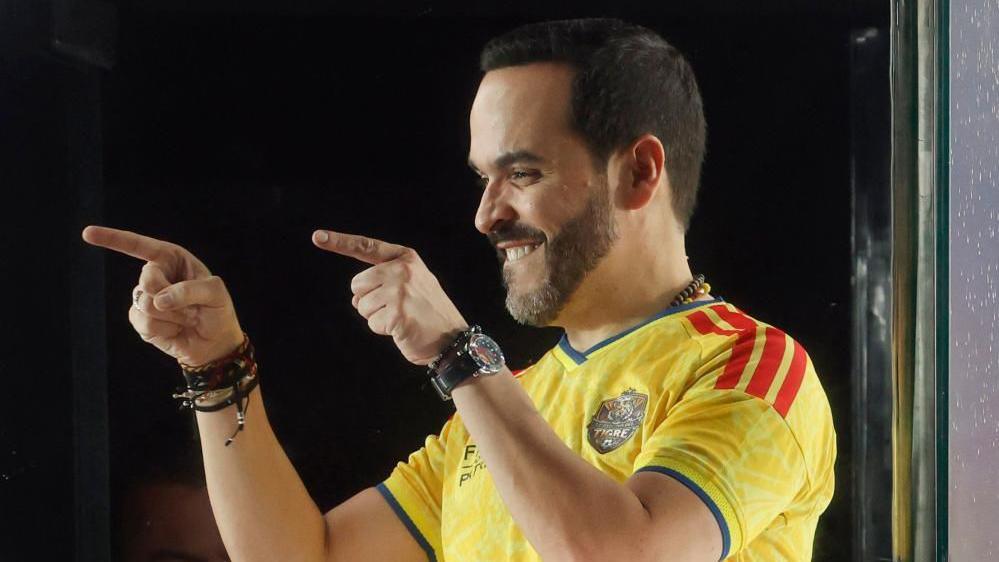
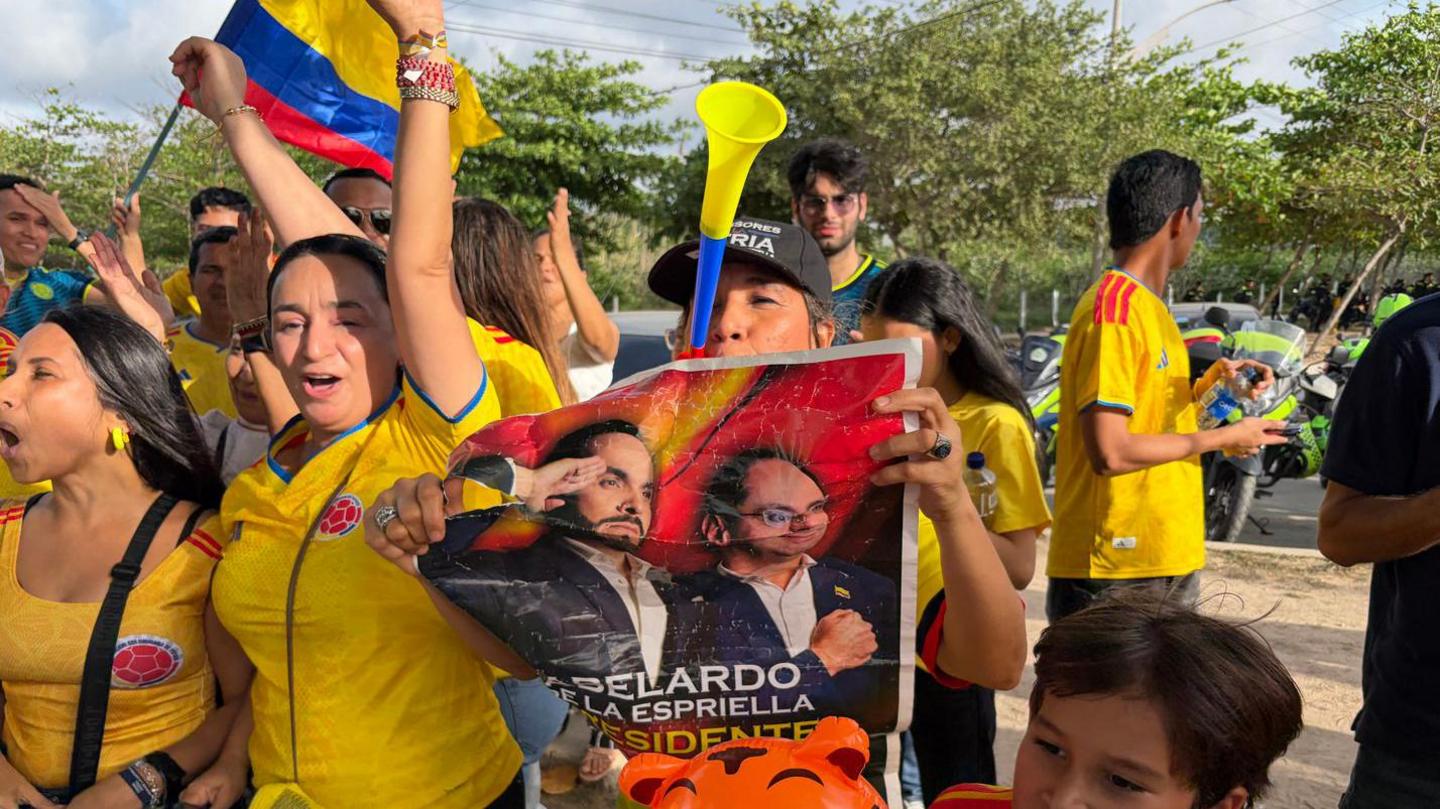
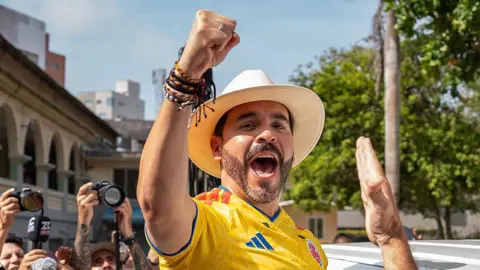
His opponent, right‑wing businessman and lawyer Abelardo de la Espriella—known as “El Tigre”—has set himself up as the anti‑peace candidate. With the backing of former U.S. President Donald Trump, de la Espriella proposes to build ten mega‑prisons, launch a new military offensive, and halt any talks with insurgent groups, promising “a tough crackdown on crime” and a decisive end to obstructionist politics.
The stakes for ordinary citizens are clear. For many, the choice between Cepeda’s negotiated peace or de la Espriella’s hard line translates directly into who will hold the keys to everyday security. In Bogotá, a government adviser for peace, Isabelita Mercado Pineda, notes that forced displacement surged 300% between 2024 and 2025—signifying a crisis she says has not been seen in the last two decades.
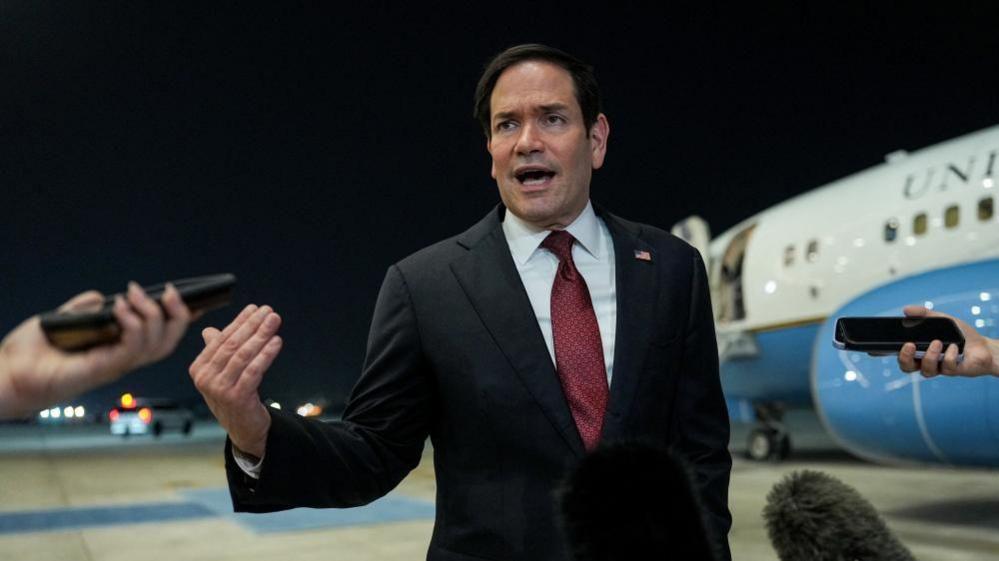
The international dimension is significant as well. De la Espriella’s U.S. citizenship and Trump’s endorsement add a foreign influence to a domestic contest, raising fears of meddling in Colombian politics. Trump’s framing of the election as a test of Colombia’s future relationship with Washington re-energizes the debate over foreign intervention in Latin America’s security policy.
At the same time, younger voters who favor Cepeda’s proposals view his plan as a balanced mix of force and social investment. In a fanzone during Colombia’s World Cup opener, a student named Catalina La Grande highlighted that Cepeda’s strategy seeks to address the root causes of insecurity, while still employing state repression where necessary.
Ultimately, the Sunday vote will resolve whether the country’s future will lean toward a hard‑tack military approach or a negotiated, socially integrated security strategy. With the world watching, Colombia’s choice could set a precedent for how nations confront internal violence for generations to come.