
In brief
After Vice‑President JD Vance hinted that Iranian nuclear inspectors might return soon, Tehran rejected any new commitments. The 60‑day sanctions relief gives Iran access to U.S. dollars for oil sales and eases banking, yet Washington’s talks rest on an unchanged threat to release inspectors only if agreed to by Parliament and the Supreme National Security Council. Iran remains cautious, emphasizing it will keep the Strait of Hormuz open while keeping control over inspection procedures.
Iran denies new nuclear commitments after Vice‑President Vance welcomes inspectors.
Following Vice‑President J.D. Vance’s assertion that the International Atomic Energy Agency could be invited back “as soon as today,” Tehran’s foreign ministry rebuffed the claim, stating it had made “no new commitments” on nuclear inspections.
The comment came amid a temporary 60‑day sanctions waiver that allows Iran to sell crude oil in U.S. dollars and removes barriers to banking, insurance and shipping, potentially re‑opening the Strait of Hormuz for commercial traffic.
Treasury Secretary Scott Bessent confirmed that in exchange for the waiver, Tehran pledged to keep the strait open and allow inspectors, but emphasized that any engagement would follow existing parliamentary and national security council procedures.
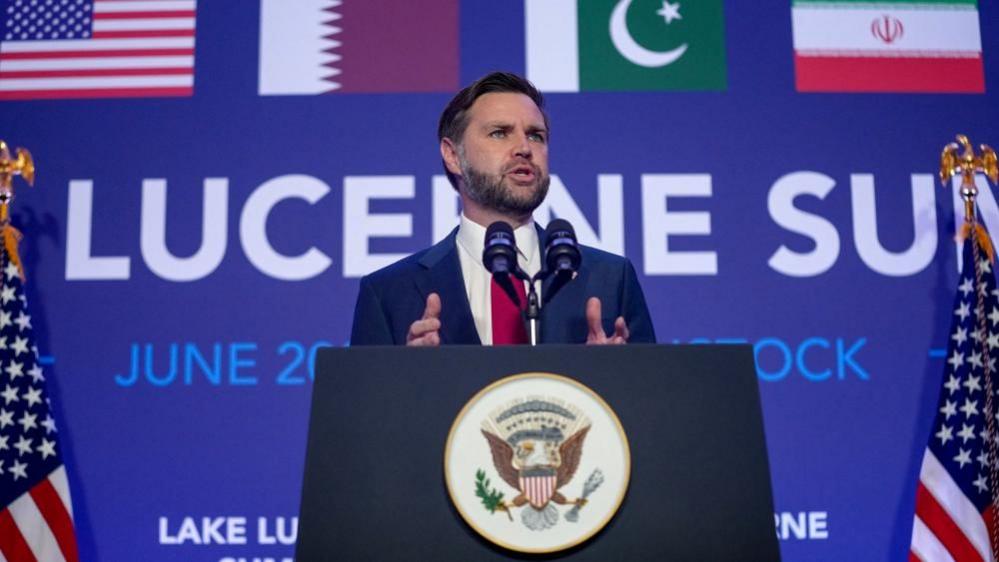
Vance, speaking in Switzerland, described the first round of negotiations on the Swiss resort island of Bürgenstock as a “very good foundation.” He highlighted the roadmap toward a final deal within 60 days, as well as plans for de‑confliction cells and safe passage for commercial vessels.
Iran has earlier suspended IAEA access to sites damaged during the 2026 war and has withdrawn remaining inspectors. Washington’s new stance underscores its desire to enforce compliance without fully reopening the inspection regime.
The U.S. president also reassured that Tehran would be confronted with “major weapons inspections” if the country fails to meet agreements, stressing the balance between diplomatic outreach and enforcement.

