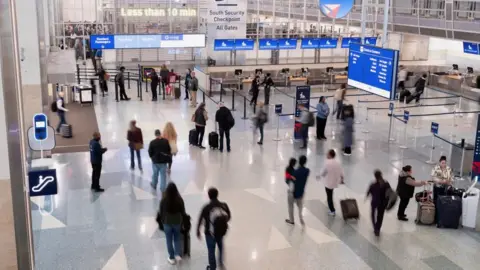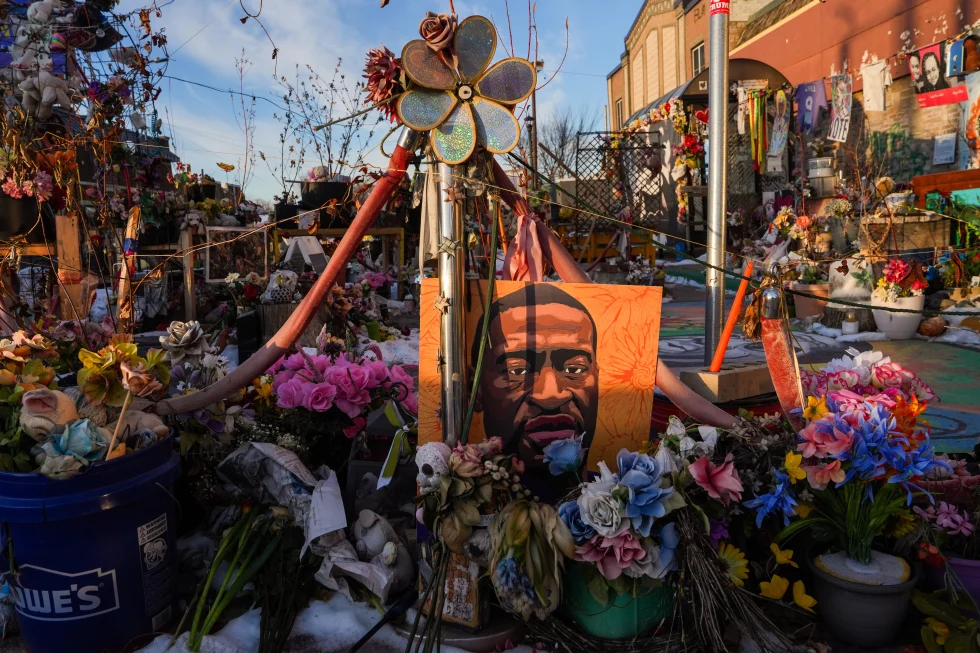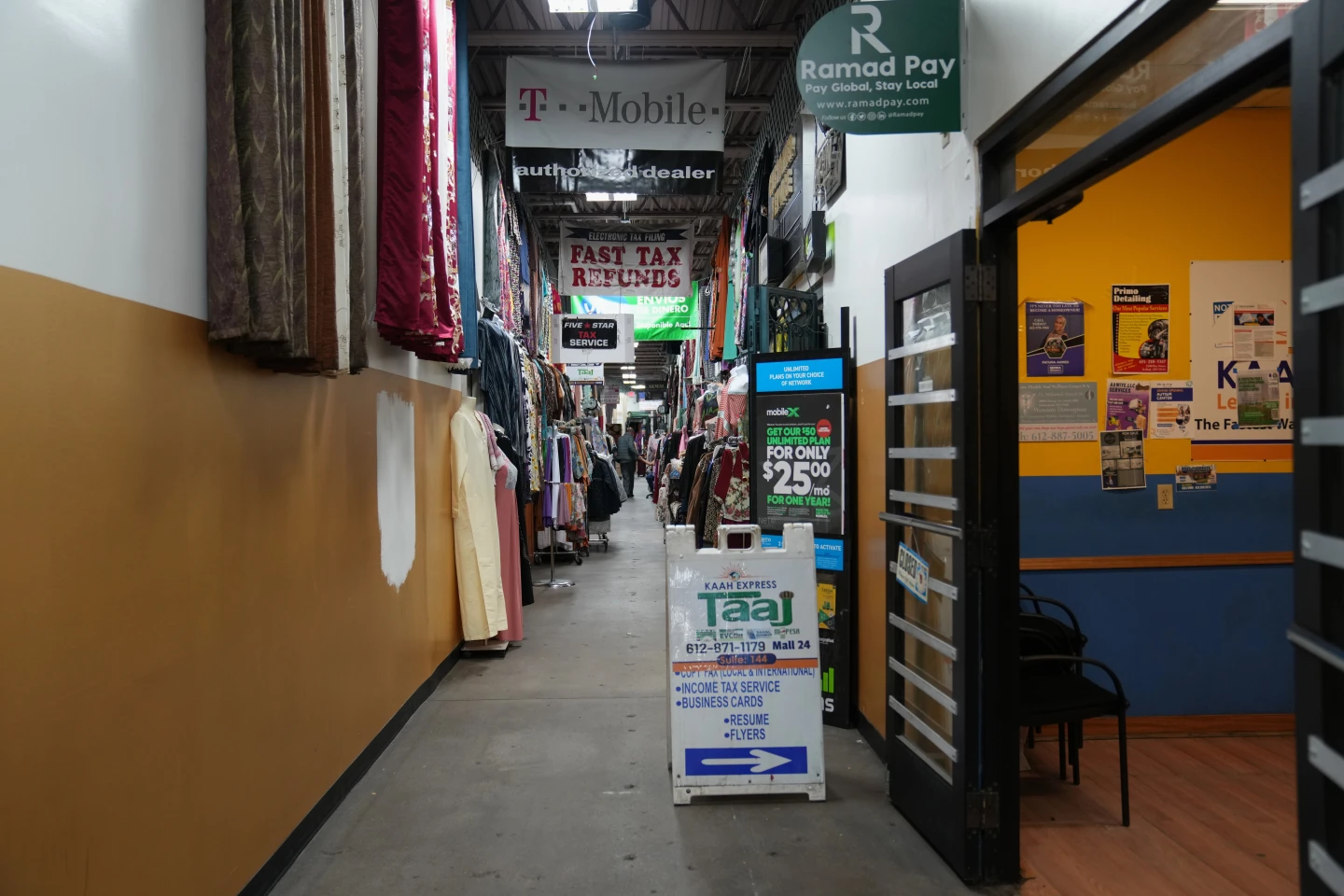
MINNEAPOLIS (AP) — The scene at Karmel Mall in South Minneapolis is starkly quiet amidst a community traditionally bustling with activity. Rows of stores, offering everything from food to clothing, are now shuttered or sparsely filled with anxious owners awaiting customers who seldom arrive.
“It’s been like this for three weeks now,” shared Abdi Wahid, owner of a convenience store within the mall. “Everywhere it’s all been closed up, all the stores.” The Somali community, the largest in the U.S., relies on this economic hub for sustenance and cultural connection.
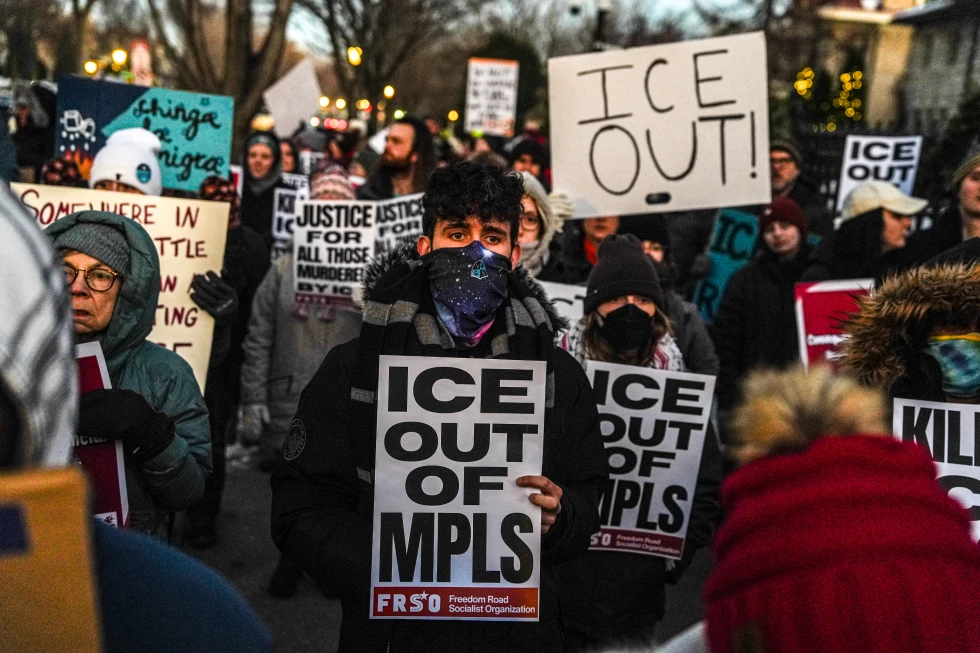
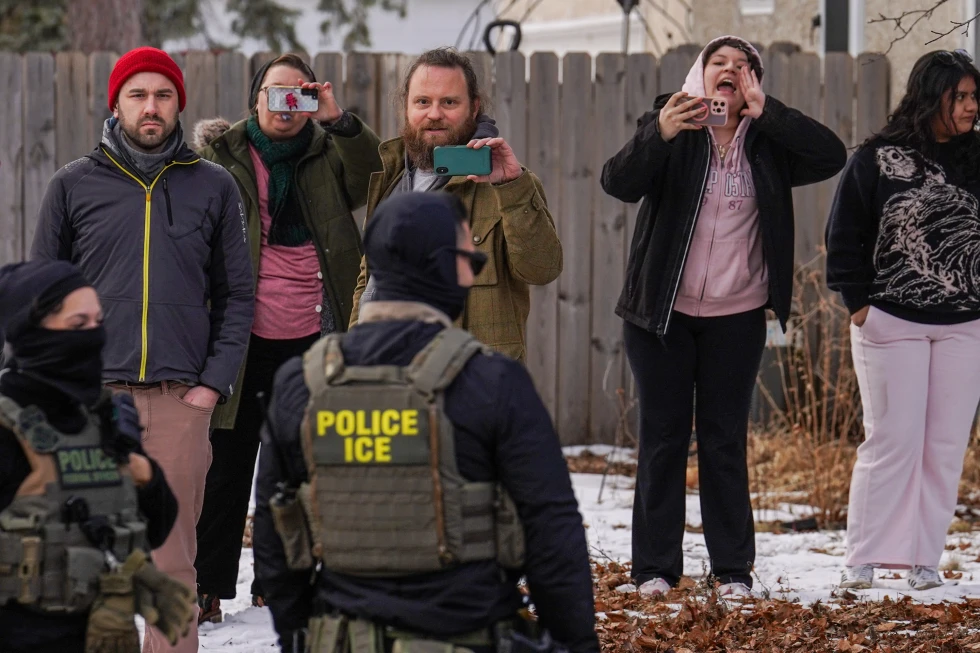
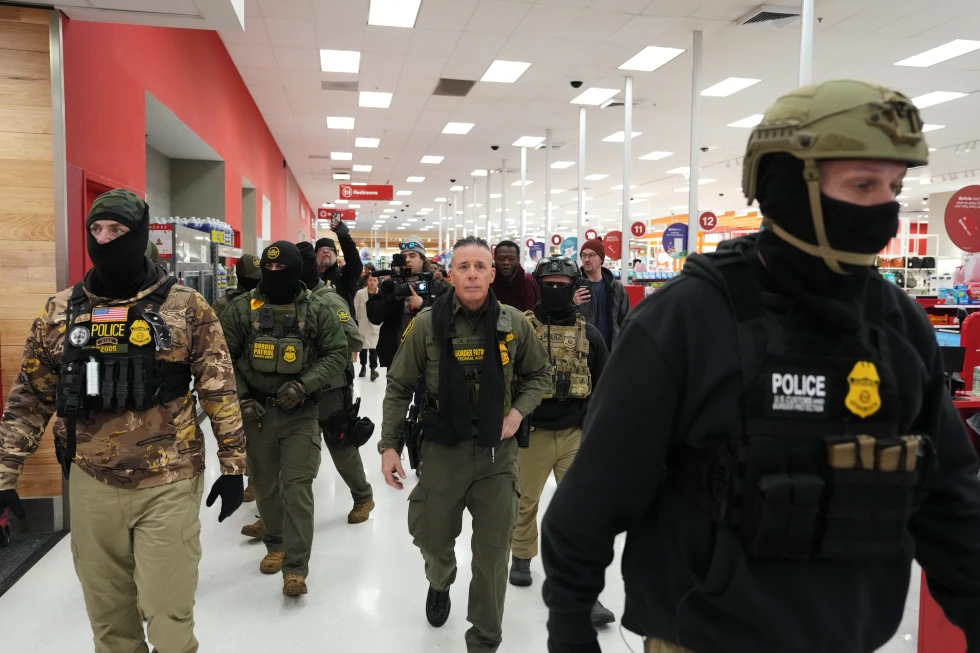
Business owners collectively echo the sentiment of fear, particularly as the Trump administration's heightened immigration enforcement—dubbed “Operation Metro Surge”—casts a shadow over everyday life. Wahid highlighted the hesitation felt not only by immigrants but also by citizens, leading to drastic declines in foot traffic.
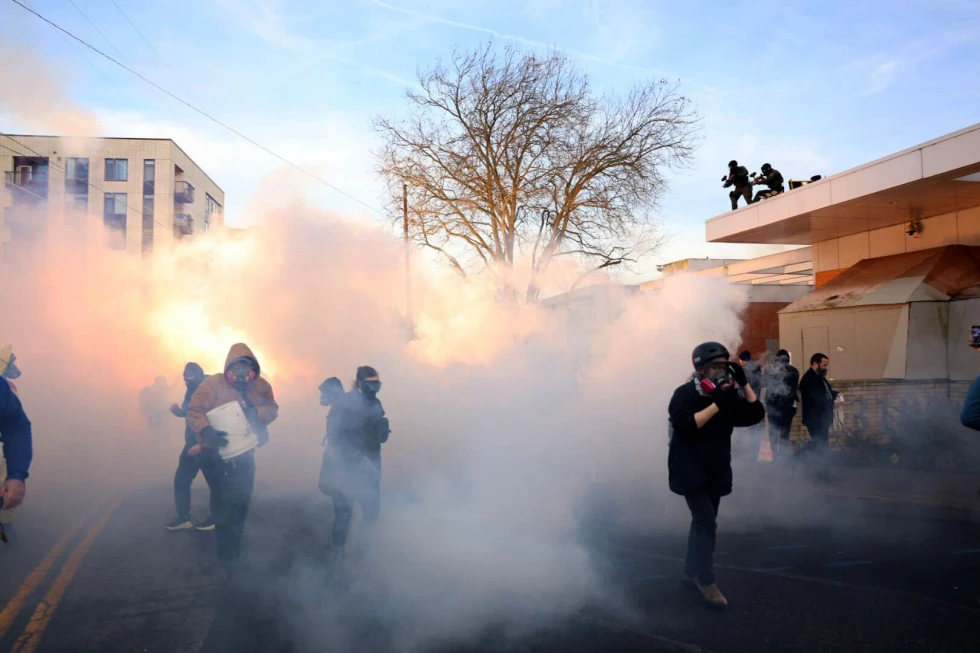
Wahid noted how early afternoons used to bring 15 to 20 customers but now it’s tough to get even one. So pervasive is the fear that some owners are too afraid to even open their shops. “I think that caused a lot of people to not even want to come,” he added, referencing recent incidents, including an ICE raid at a local high school.
Bashir Garad, who runs Safari Travel & Accounting Services, reported a drastic drop in bookings as clients worry about re-entering the country. “They see a lot of unlawful things going on in the city,” he explained. Clients, predominantly East African and U.S. citizens, are now reluctant to travel for fear they won’t be allowed back.
As businesses struggle, Ibrahim Dahiye, who sells electronics, lamented substantial financial losses. “I don’t know what we can do,” he said, expressing desperation in the face of uncertainty. Many feel the crackdown unjustly stigmatizes the entire community rather than addressing the actions of individuals.
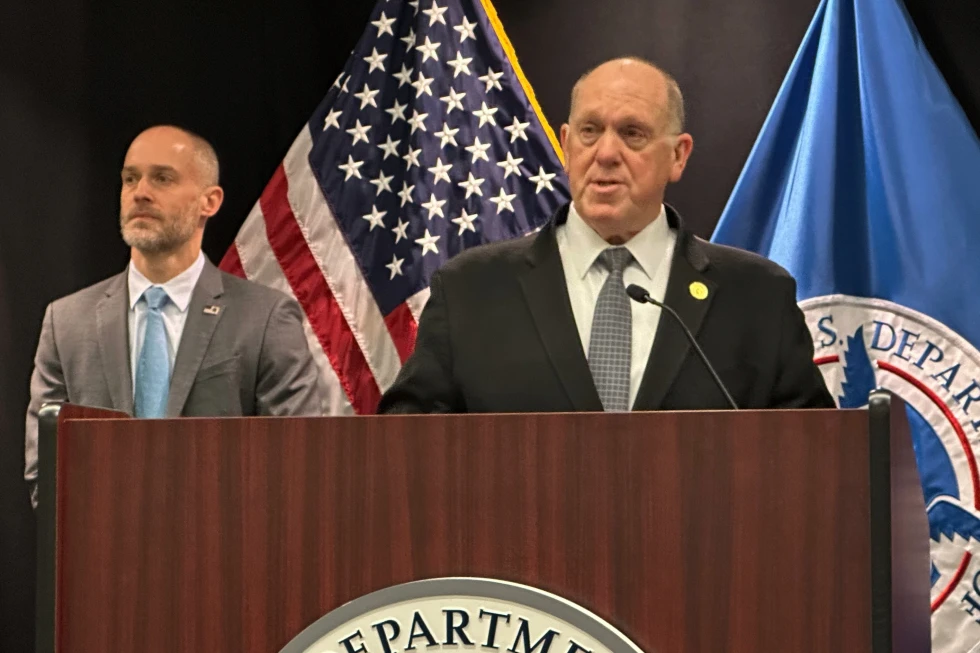
Homeland Security representatives claim that enforcement actions are based on reasonable suspicion rather than racial profiling. Regardless, the indictment of Somali community members has fueled perceptions of targeting and marginalization in the wake of the administration's harsh rhetoric against the community.
The ongoing situation at Karmel Mall exemplifies the broader economic and social challenges faced by the Somali community under these policies, highlighting a need for support and empathy amidst fear and uncertainty.