Nearly 1,000 households displaced by catastrophic wildfires in Maui are anxiously awaiting news on the fate of their federal assistance programs, which are vital for their ongoing housing needs. As rental markets tighten and costs soar, many residents are left with quickly approaching deadlines to relocate.
For two and a half years, the Federal Emergency Management Agency (FEMA) has played a crucial role in providing support to those affected. However, the impending expiration of funding options raises concerns about the agency’s future under government policies aimed at devolving responsibilities to state governments.
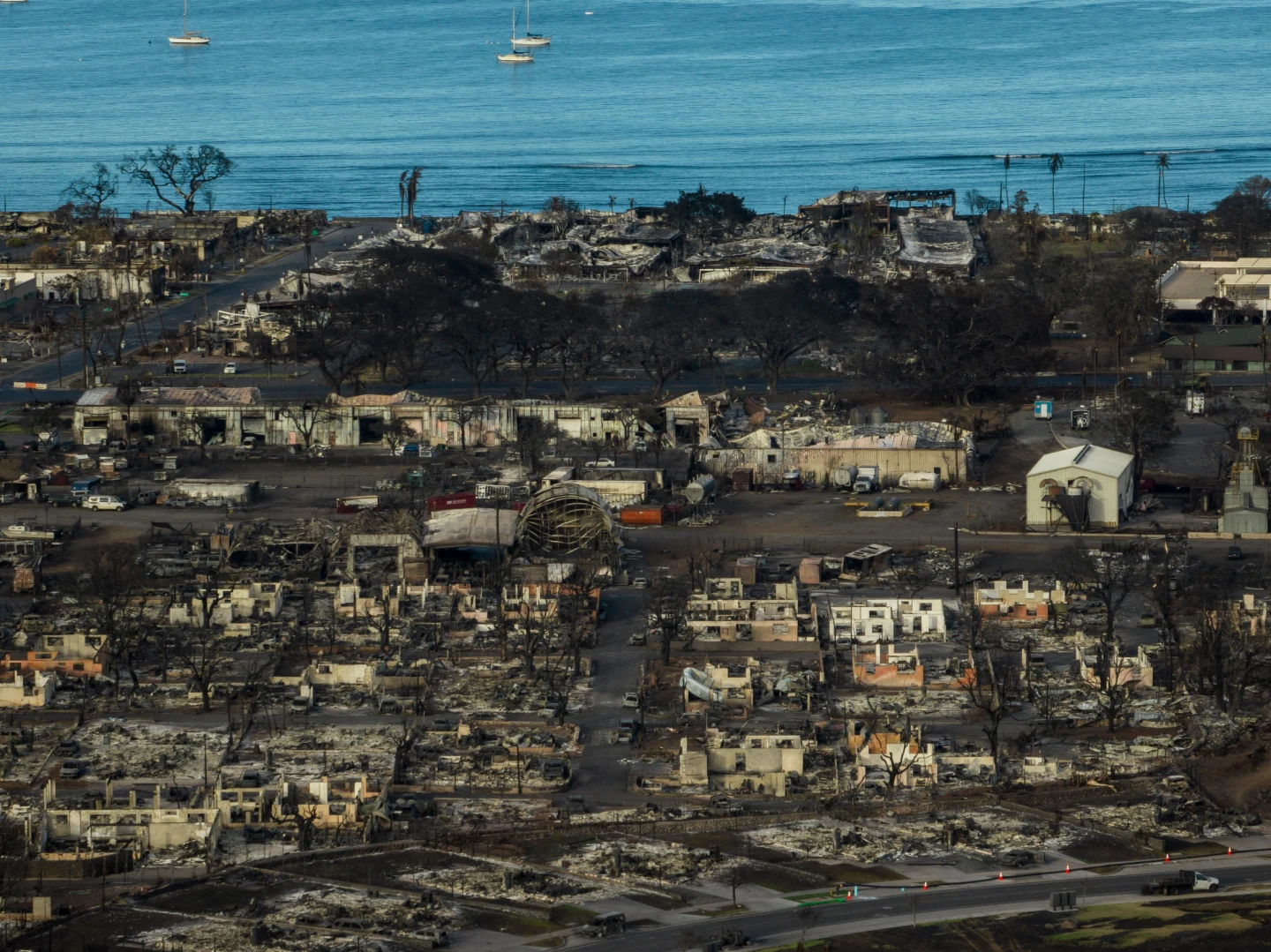
Advocates for the residents warn that cuts to financial assistance could undermine recovery efforts in Lahaina, a town devastated by the wildfires on Aug. 8, 2023. There are fears this will lead to a rise in homelessness and further economic decline on the island.
“I worry about the impact of everyone needing to find places to live in a strained market,” said Nicole Huguenin of Maui Rapid Response.
Following the deadly fires in laws, which destroyed over 2,200 structures and resulted in 102 fatalities, President Biden declared a major disaster and granted FEMA the authority to provide support to affected residents. Although the program was initially set for an 18-month duration, it has been extended until February 2026, yet the state is pressing for another renewal.
Despite federal assistance, finding affordable and stable housing remains challenging as the rental vacancy rate shrinks to below 2%. The rate of available units priced under the government's fair market rent continues to dwindle, as many survivors report steep hikes in housing costs since the disaster.
With rising rent prices and limited options in housing, many survivors face bleak prospects if programs cease. Efforts to rebuild after the fires have seen mixed progress, with the local economy heavily reliant on tourism making recovery more uncertain. In response to these challenges, new legislation that limits short-term rentals has also been proposed, aimed at easing the housing crunch.
Moving forward, both local and state officials continue to strategize around potential contingencies while awaiting FEMA’s final decision on extending housing assistance for displaced residents, embodying a unique predicament amid the ongoing recovery from the fires.