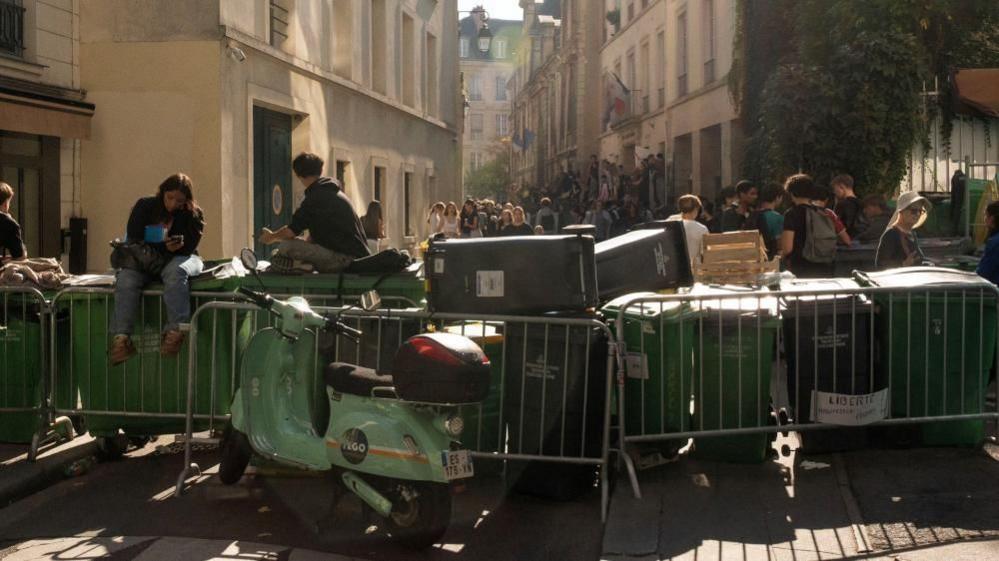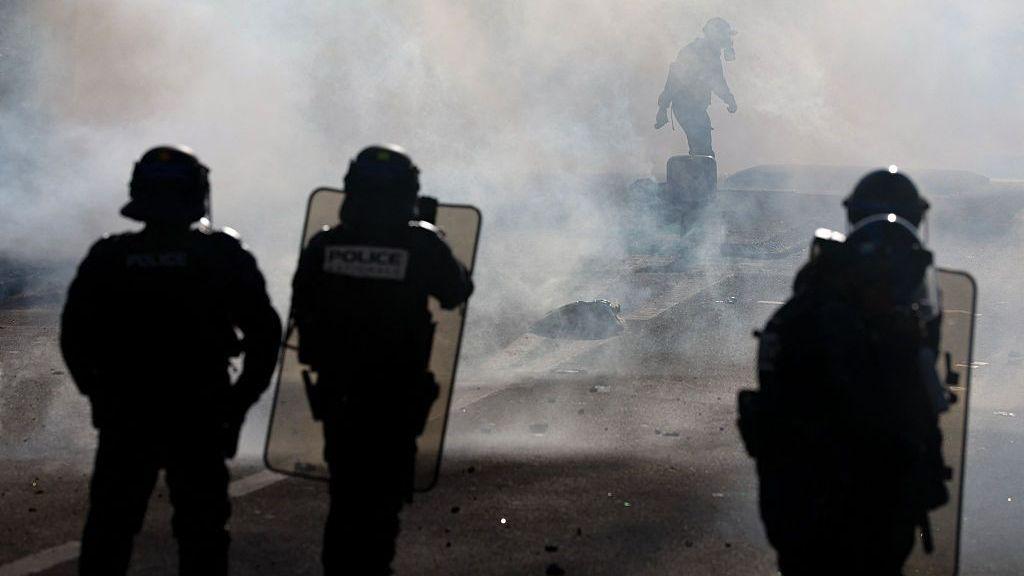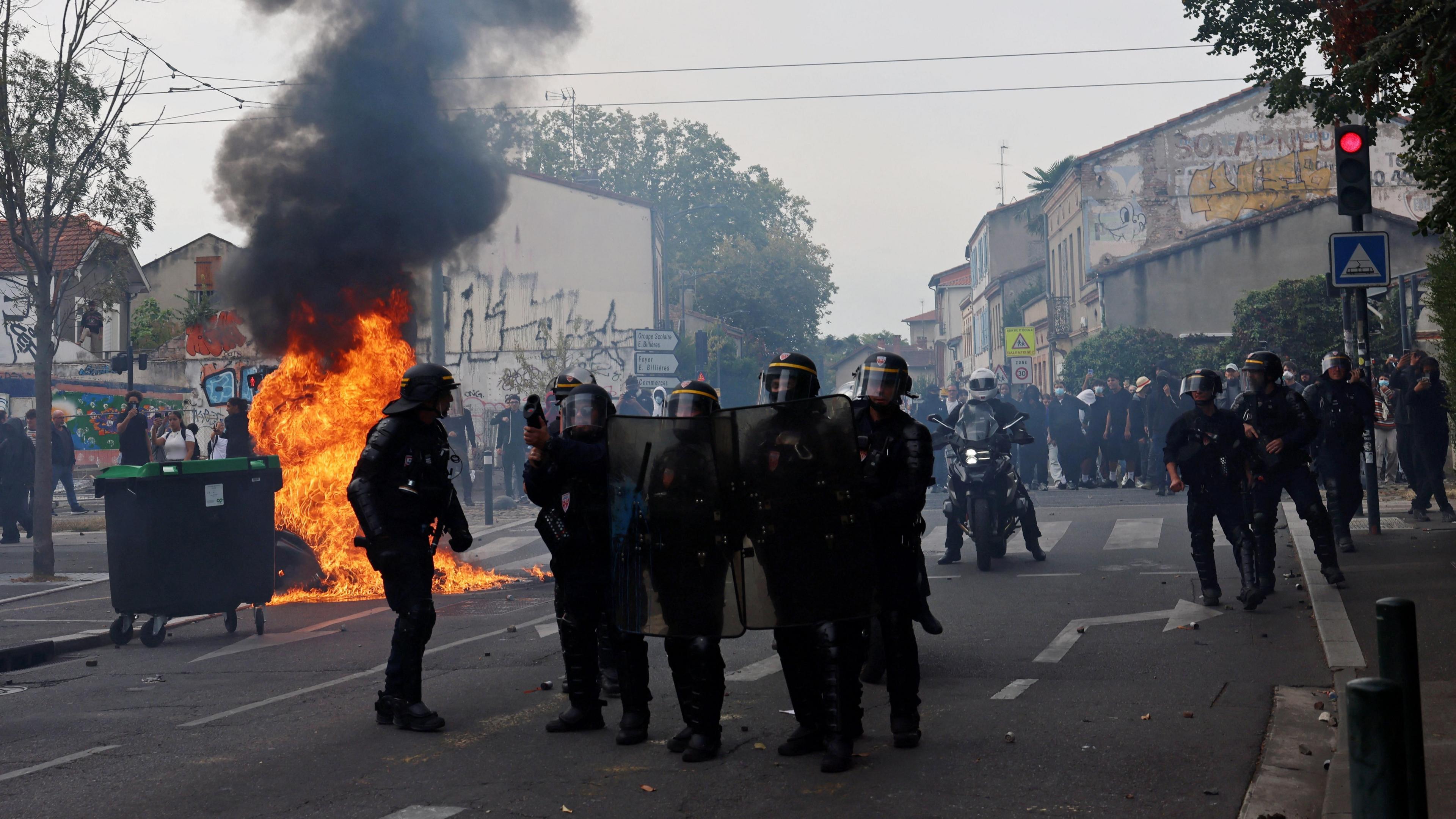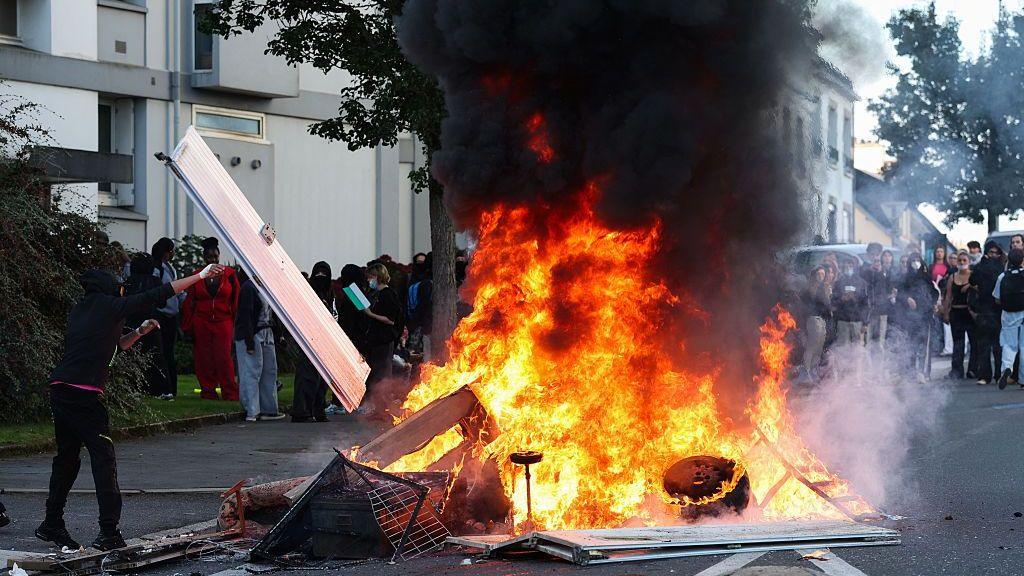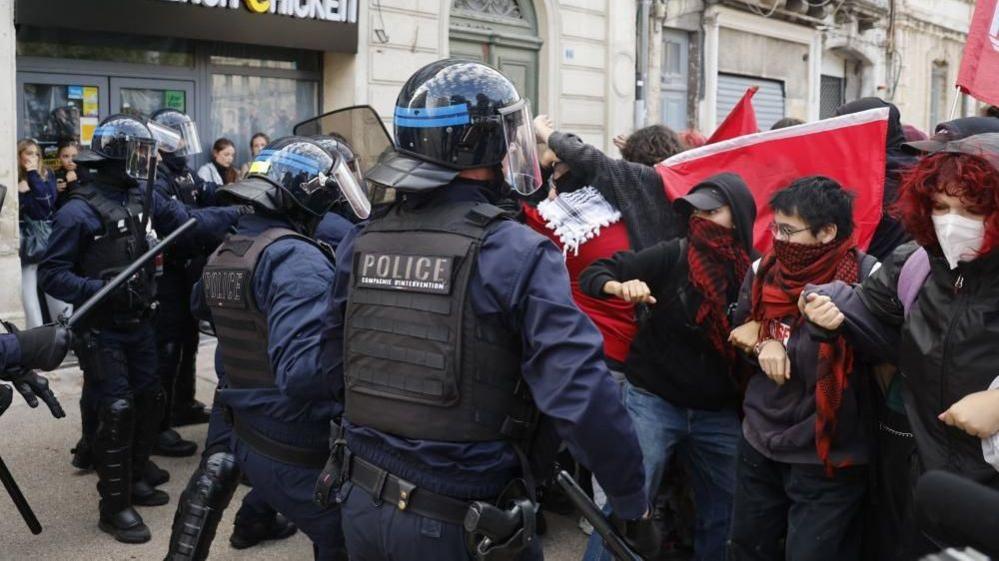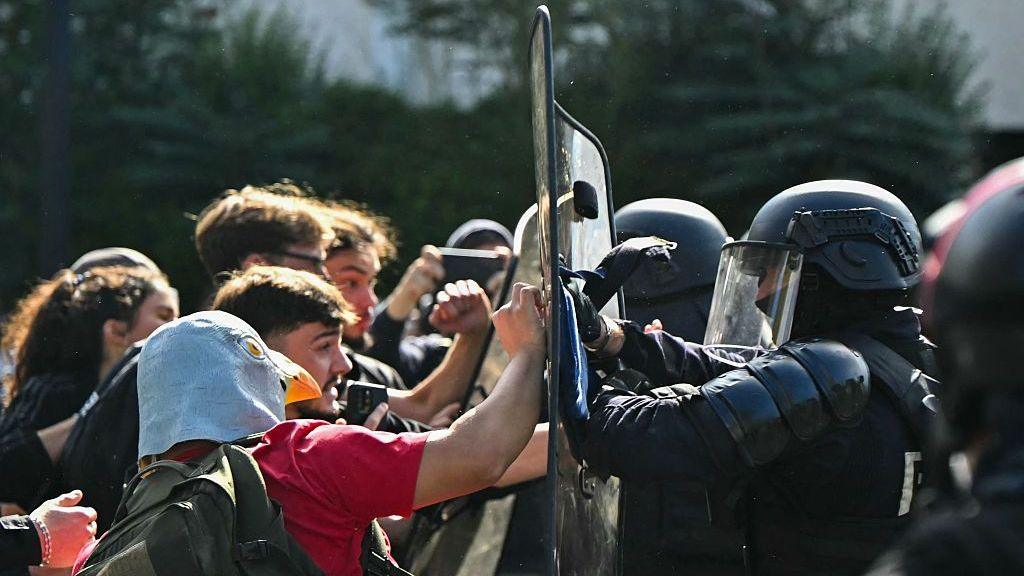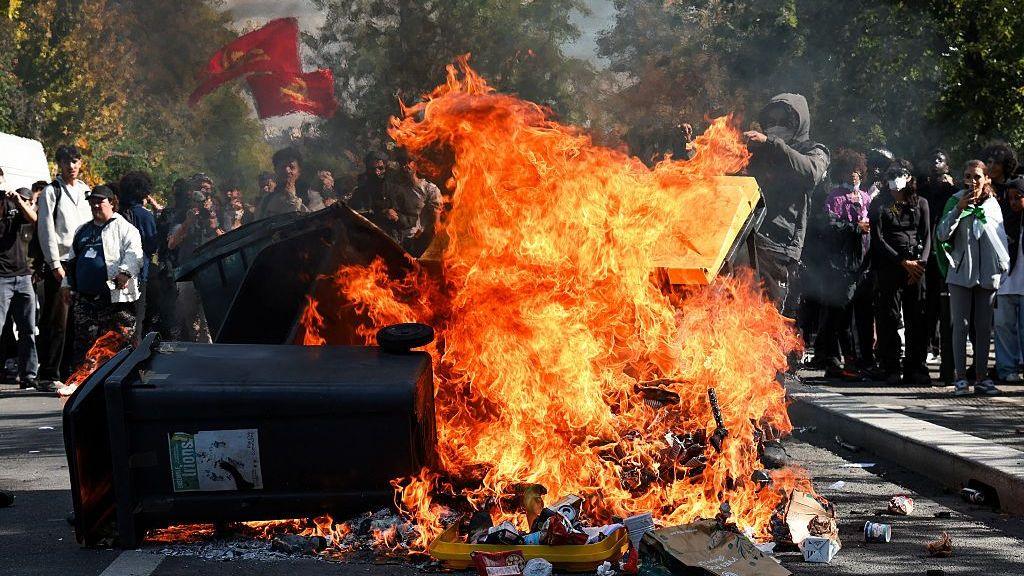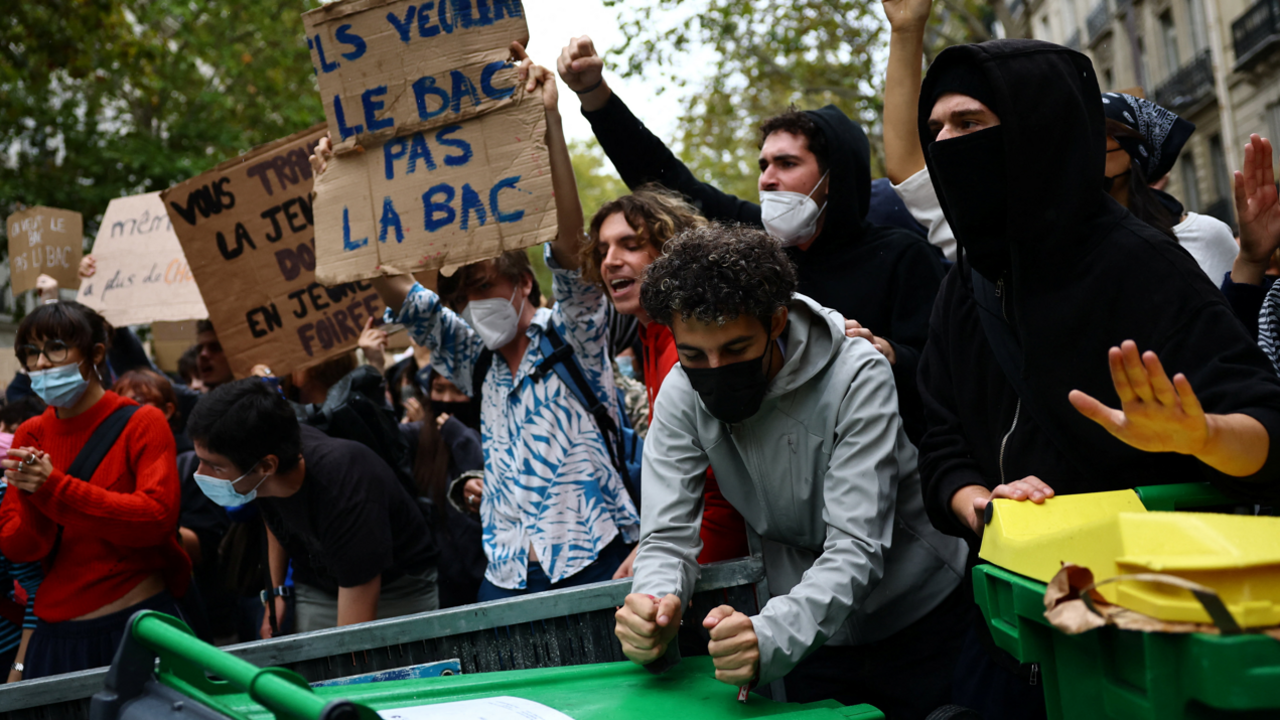

Since late September, students across France have been marching to school gates, demanding new funding for dilapidated lycées, fewer staff and shorter lessons, and the protests have reached a record scale with hundreds of schools blocked and thousands arrested.
The anger is rooted in long‑standing grievances: teachers are absent for weeks without replacements, buildings are “boiling hot” during heat waves, and the daily schedule can last until 18:00, leaving no time for rest or homework. Many students also gripe about mobile‑phone bans and the opaque nature of Parcoursup, the national online portal that assigns universities – where an estimated 80 % of students gain a place, often in courses far from their first choice.
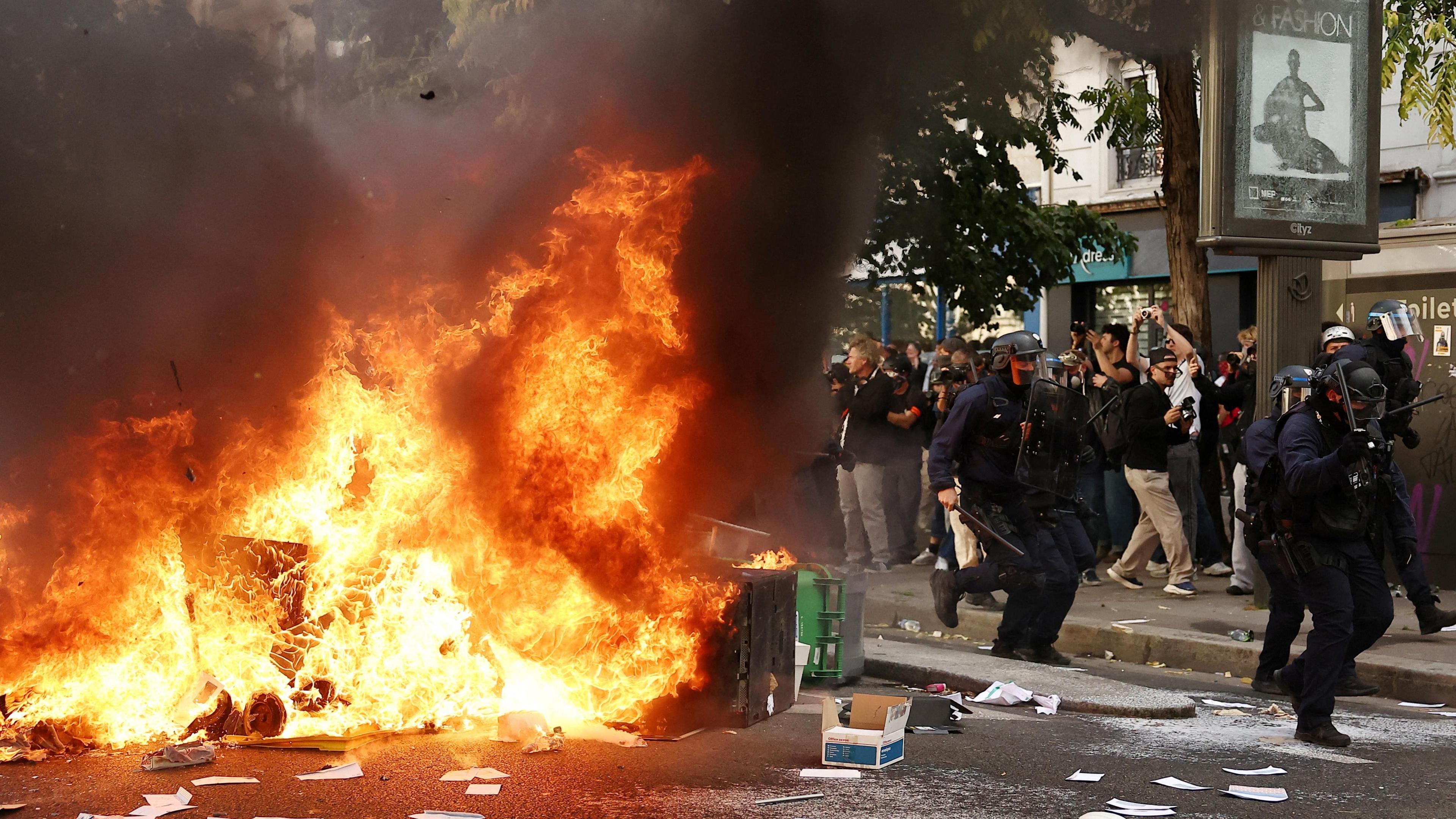
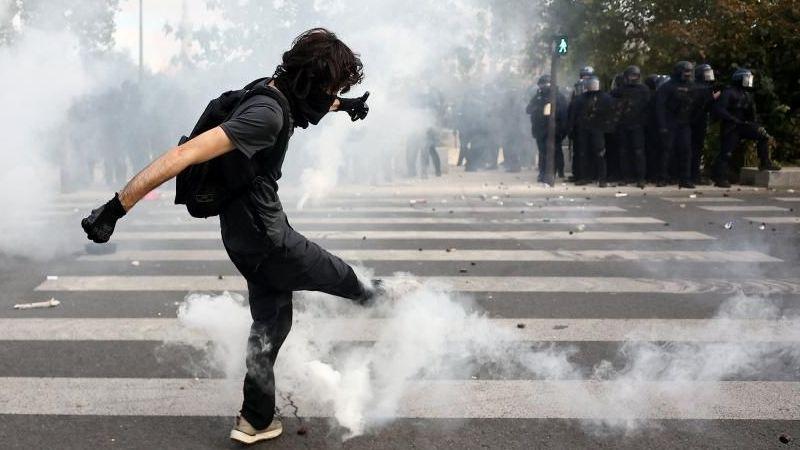
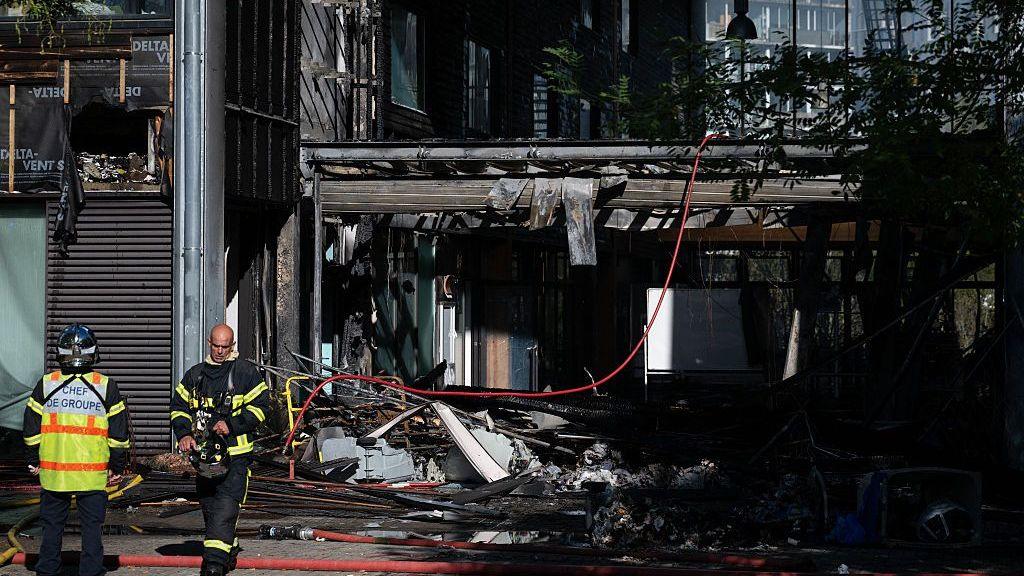
In response, police have deployed tear gas and confrontations, and the violence has resulted in hundreds of injuries across the country. The scale of the unrest, however, is more than a reaction to these policy hurdles; it reflects a culture where street protests influence government decisions.
In the 1990s, student blockades forced the government to spend €1.2 bn on schools and to post 14 000 extra teachers. In 2006, a law aimed at easing hiring of young workers was withdrawn after university and lycée blockades, proving once again that students can outmatch elected officials.

Prime Minister Sebastien Lecornu has stated that security forces are not ordered to confront high‑school students, but the sheer number of arrests indicates that the state is actively policing the movement. He faces a budgetary impasse amid a 5.4 % debt‑to‑GDP gap and an uneasy parliament.
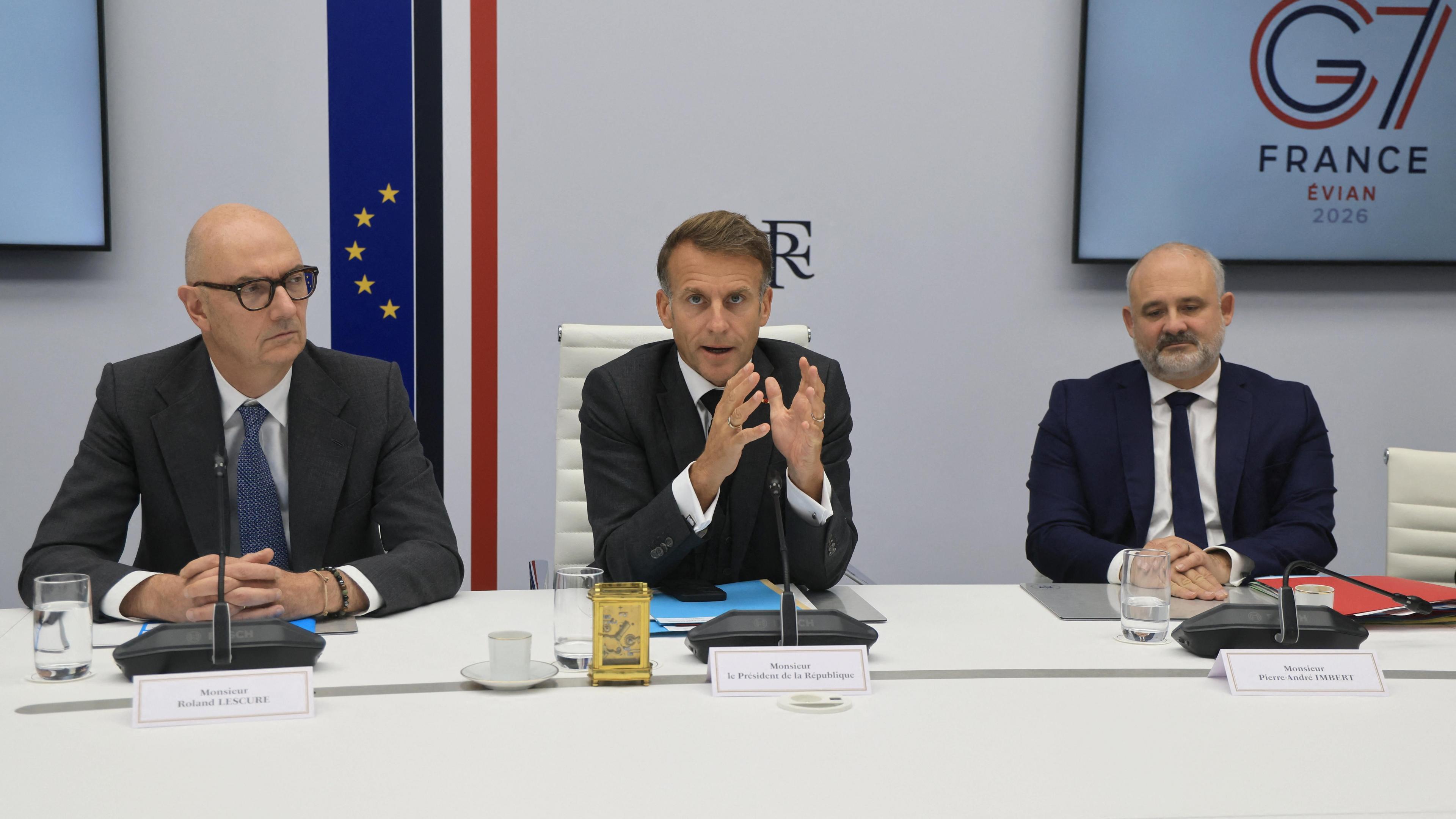
Macron’s popularity has declined sharply after nine years in office, and his 2024 snap election left the National Assembly largely dead‑locked. In this climate, Lecornu’s hand is constrained, making it difficult to offer concessions that would placate the demonstrators.
Despite this political stalemate, public opinion polls show 72 % of French people see the demands as legitimate, and 55 % express support for the protest movement. The backing of teachers, left‑wing politicians and labour unions further strengthens the students’ bargaining position.
The current wave of protests may well be the most unprecedented since the 1968 uprisings, as mass blockades have become a familiar tool in the arsenal of modern French street protest. Whether the government will adjust spending, reform day lengths or simplify Parcoursup remains to be seen, but the legacy of student activism suggests that the pressure will not ease without meaningful policy changes.