Students Block French Schools in Nation‑Wide Protest Over Education Funding
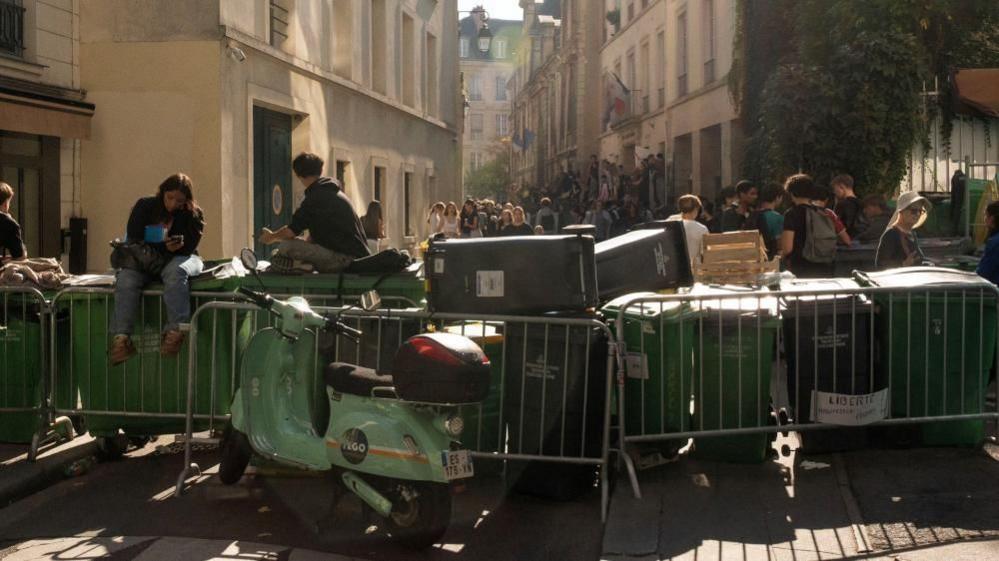
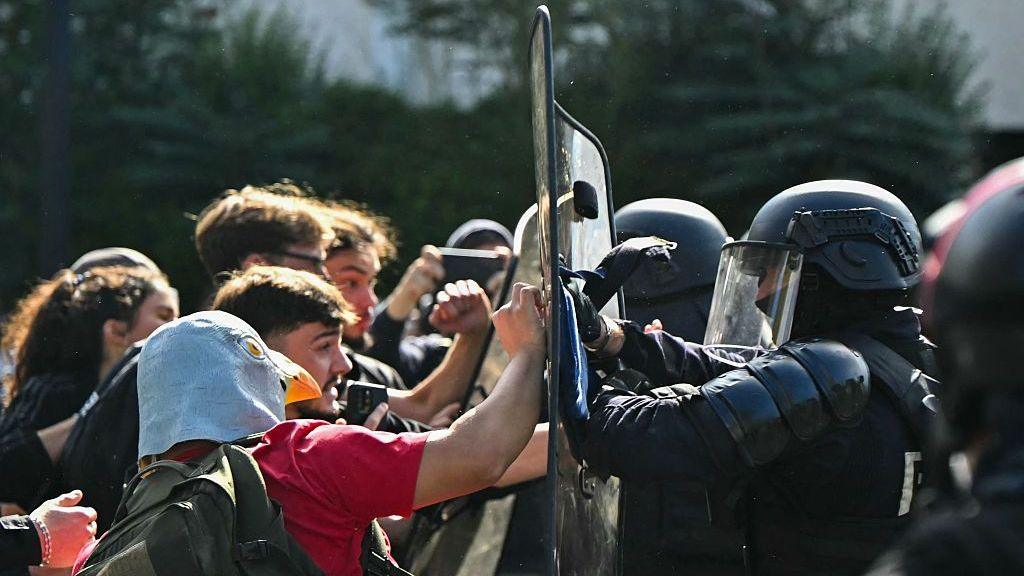
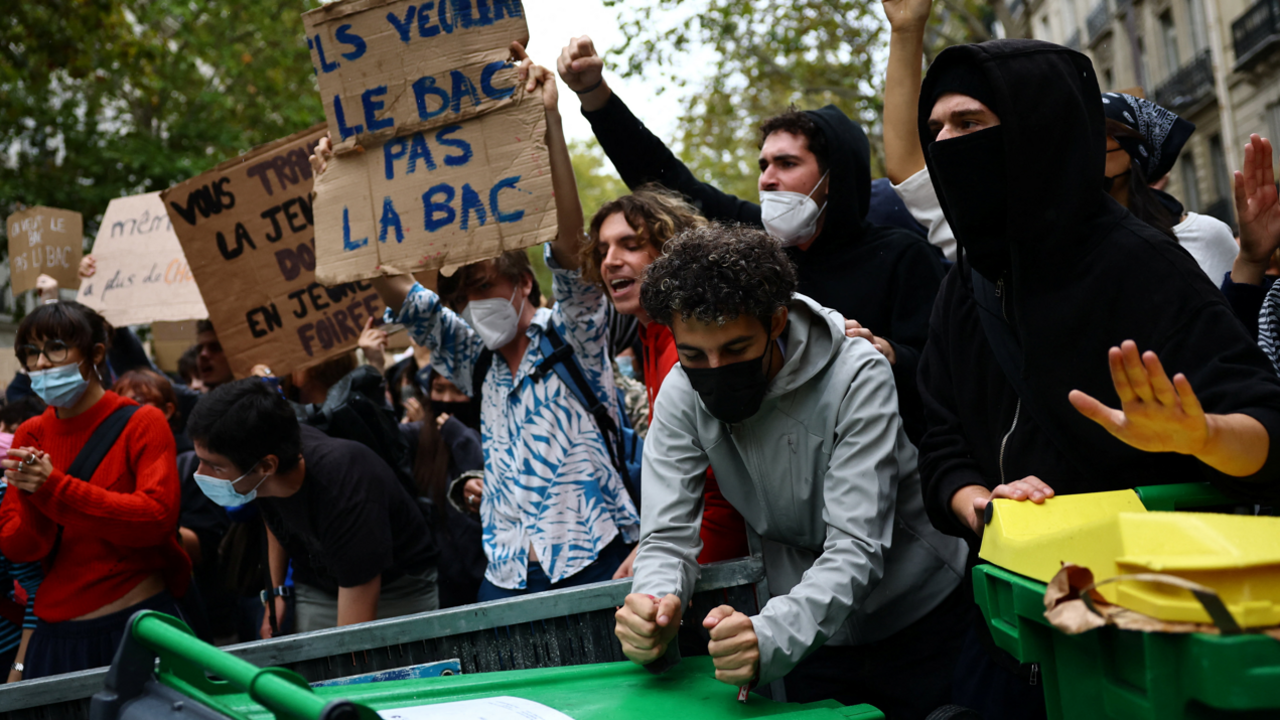
Since late September, students in France have occupied dozens of lycée gates, turning the nation’s secondary schools into flashpoints for a broader fight over public investment and working conditions.
The grievances are real and varied: teachers who have been absent for weeks often never return; deteriorating building conditions have left classrooms “boiling hot” during a recent heat‑wave; and compulsory school days that run until 18:00 leave pupils little time to rest or complete homework. Some even complain of mobile‑phone bans and standardized testing pressure through the opaque Parcoursup admission portal.
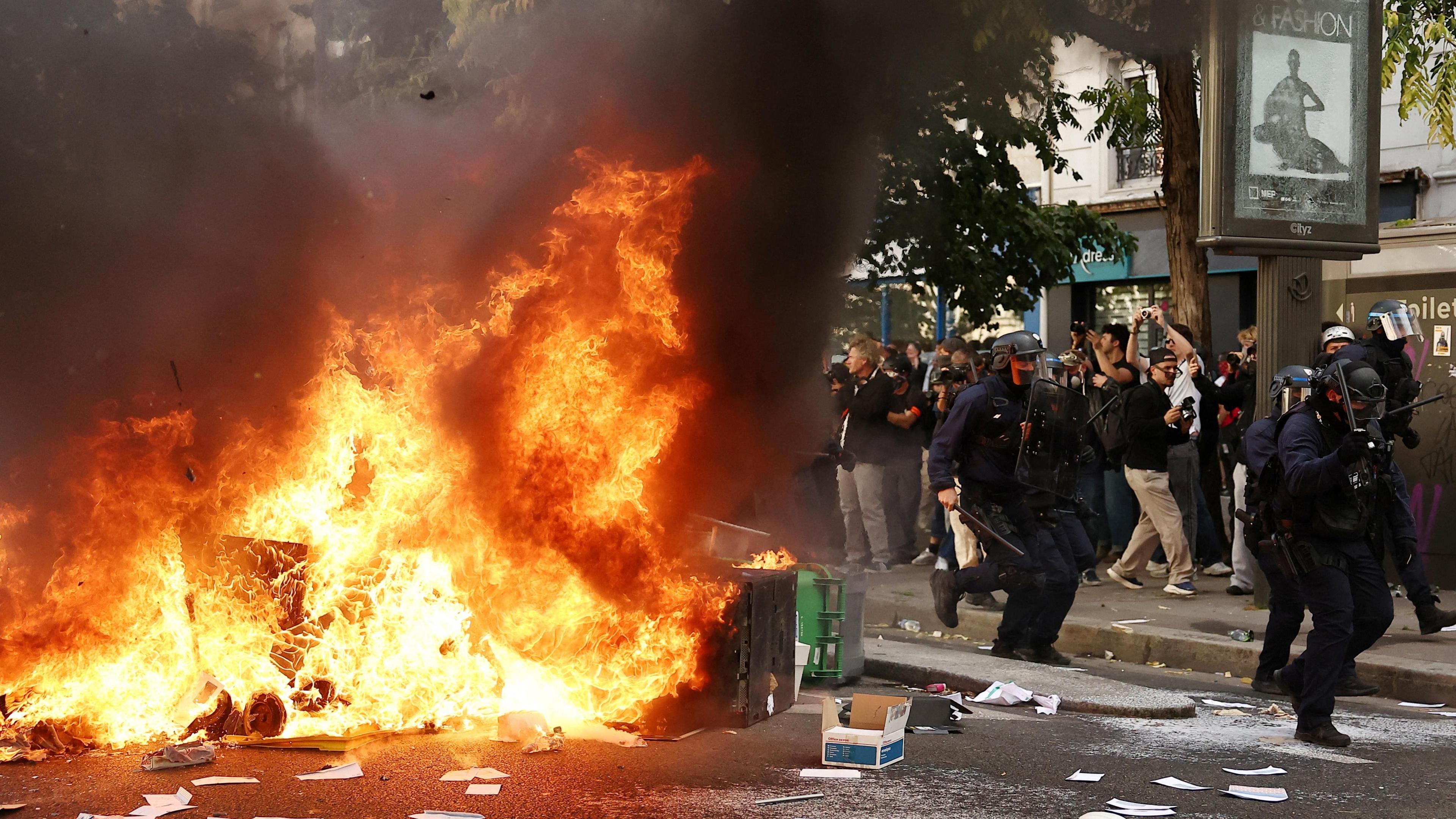
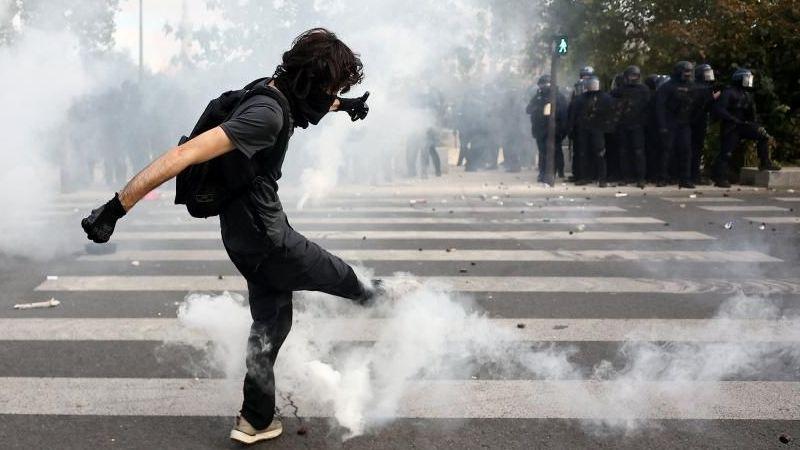
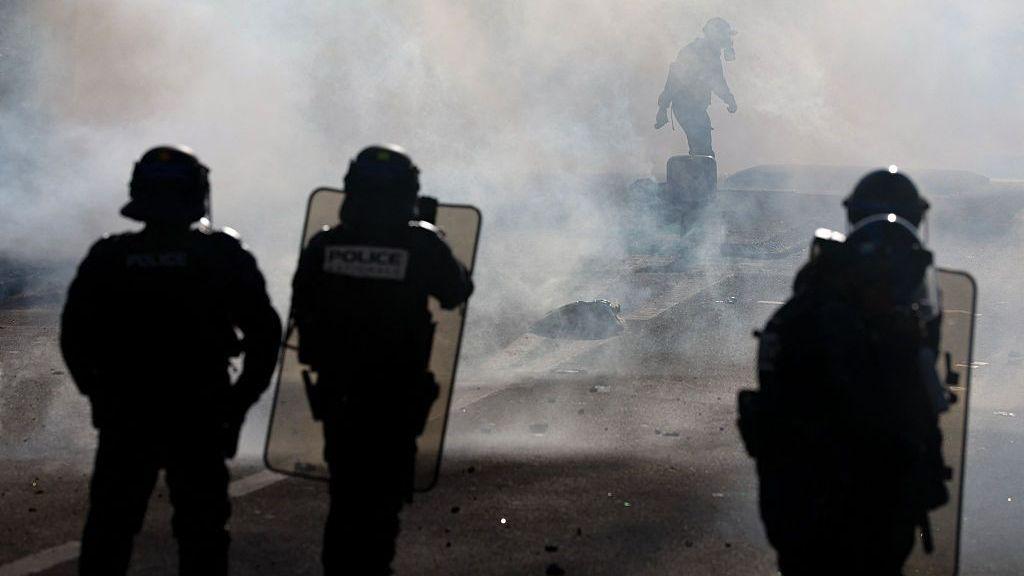
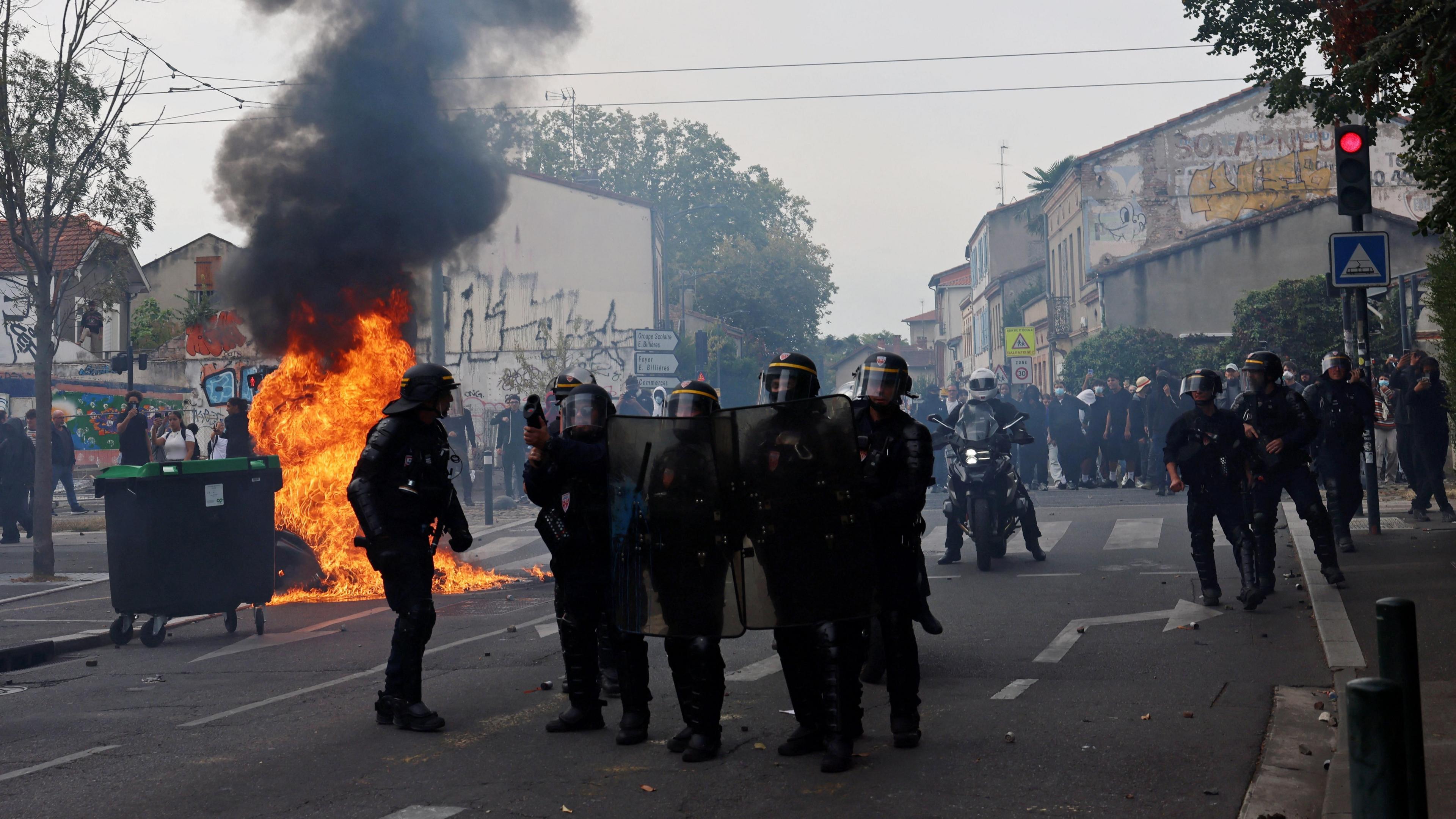
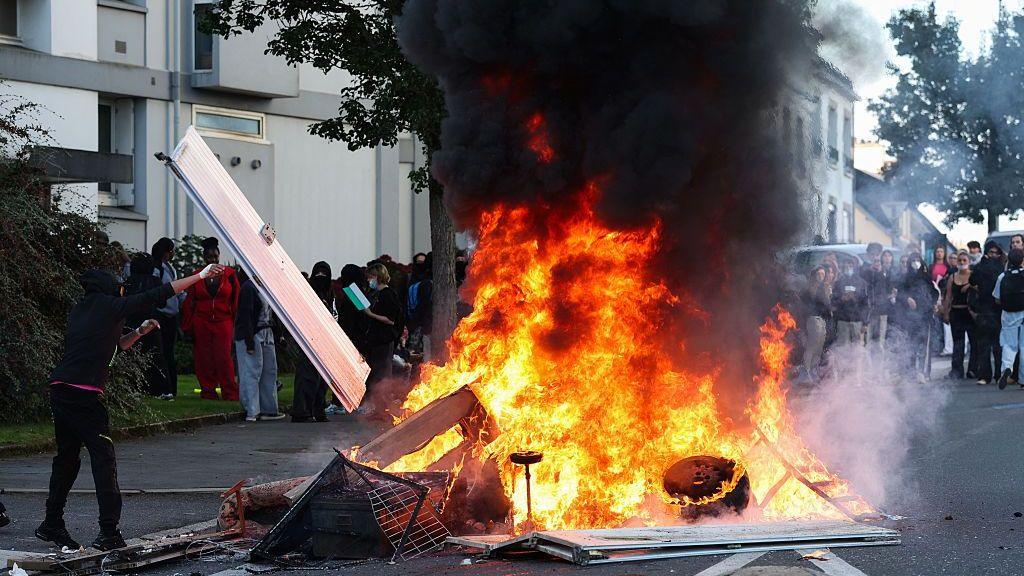
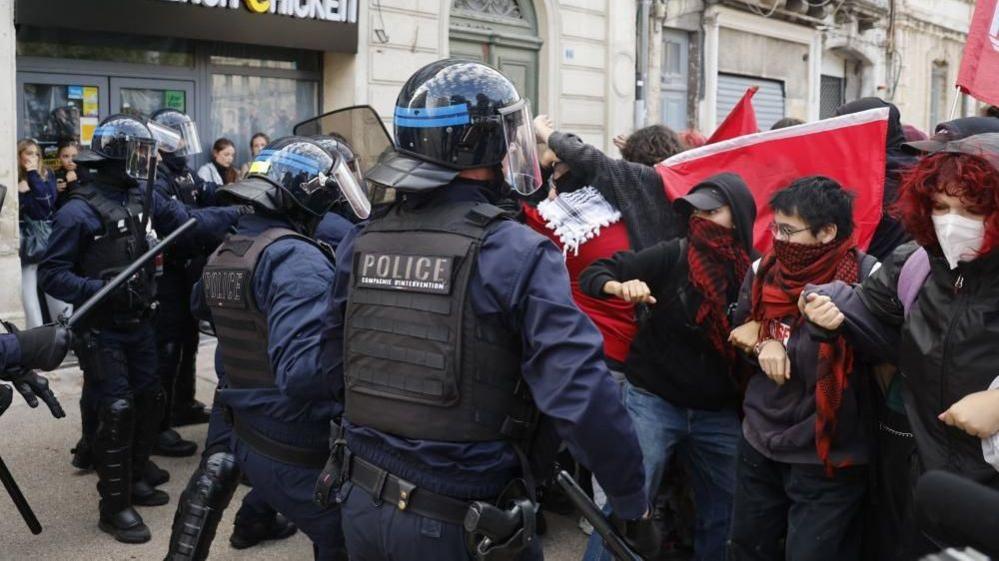
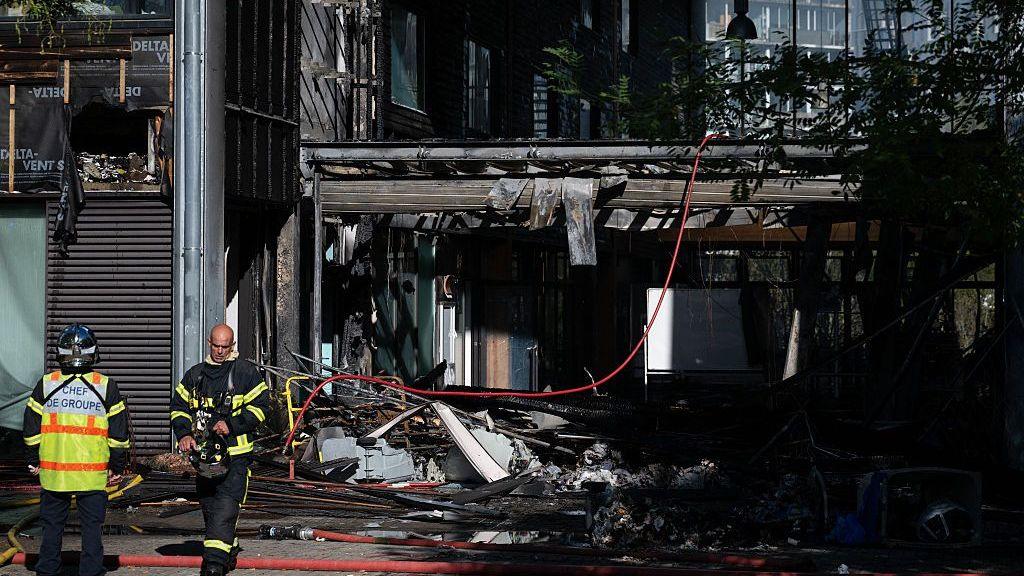
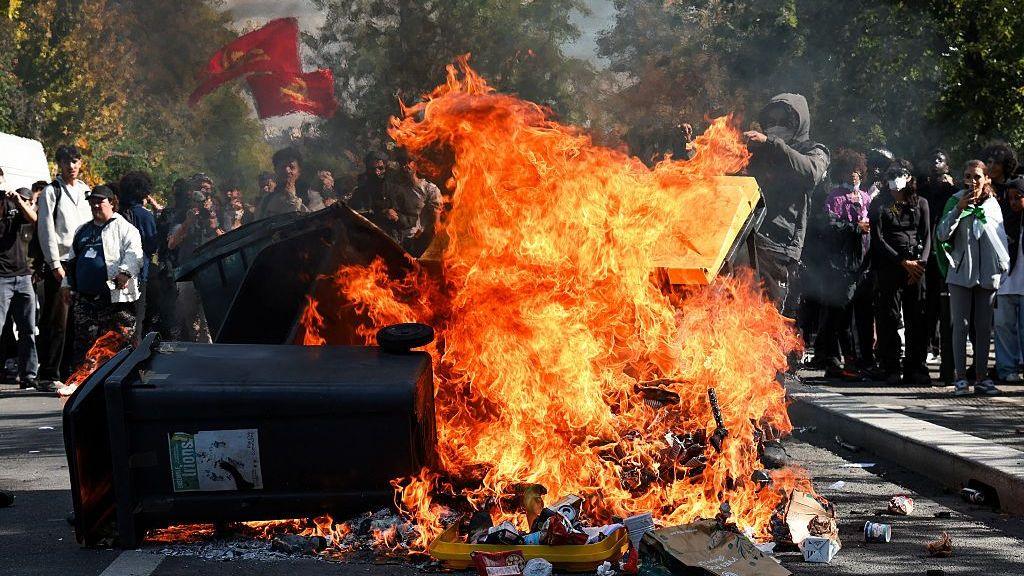
The protests have escalated. Police confront blocked gates, tear‑gas canisters are launched, and more than 500 people were detained on a single day. Hundreds of students, teachers and officers have been injured.
To understand the scale, look to history. In 1990 a rape at a Seine‑Saint‑Denis school sparked national demonstrations, producing a €1.2 billion funding package for schools. Eight years later, a 500,000‑strong march in 1998 secured another billion euros and 14,000 additional teachers. In 2006, student blockades locked down universities and high schools and forced Parliament to scrap a law that would have made hiring for youths easier.
In 2018‑19 the Gilets‑Jaunes movement showed how enough pressure on the streets can lead to policy concessions—fuel tax cuts and €10 bn in spending. The current movement rides that tradition, but it packs more violence and governmental ire than ever, according to Interior Minister Laurent Nuñez.
Survey data from BMFTV reports that 72 % of French citizens view students’ demands as legitimate and 55 % endorse the demonstrators. Teachers, labour unions and several left‑wing politicians have endorsed the protests, and a further rally is slated for this Thursday.
Prime Minister Sébastien Lecornu, described by himself as the “weakest prime minister” in contemporary memory, faces a parliament that has conceded little to the days’ budgetary shortfalls. The current fiscal deficit sits at 5.4 % of GDP and debt is at a post‑1940s peak, leaving even this timid leader with few options. Nevertheless, his stances—leveling criticism of students without offering tangible solutions—are already polarising the electorate at a time when Emmanuel Macron is too popular to remain in office.
The protests underscore a long‑standing tension between France’s political culture, which values street‑demonstrations as a legitimate counter‑force to elected bodies, and a socio‑political system that increasingly calls for reform through parliamentary channels. The stakes are high: not only are the country’s 15‑18 year‑olds fighting for better education but also for a future in which they may move beyond a cycle of under‑funding and unpaid work.