Hundreds of thousands of people have taken to the streets across France, as a wave of protests by high‑school pupils spread to their parents, university students and unions.
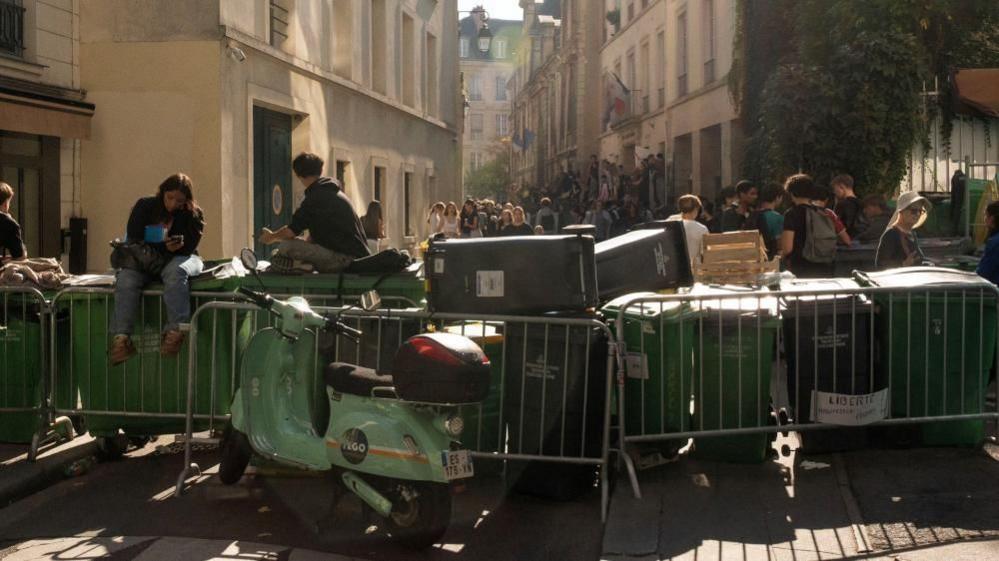
The demonstrations began in the northern Paris suburb of Seine‑Saint‑Denis in mid‑September when students marched from the Place de la République calling for more resources for schools and less police repression. From there the movement marched to other high schools, universities and union halls, drawing support from parents and grandparents who understand the challenges of the education system.

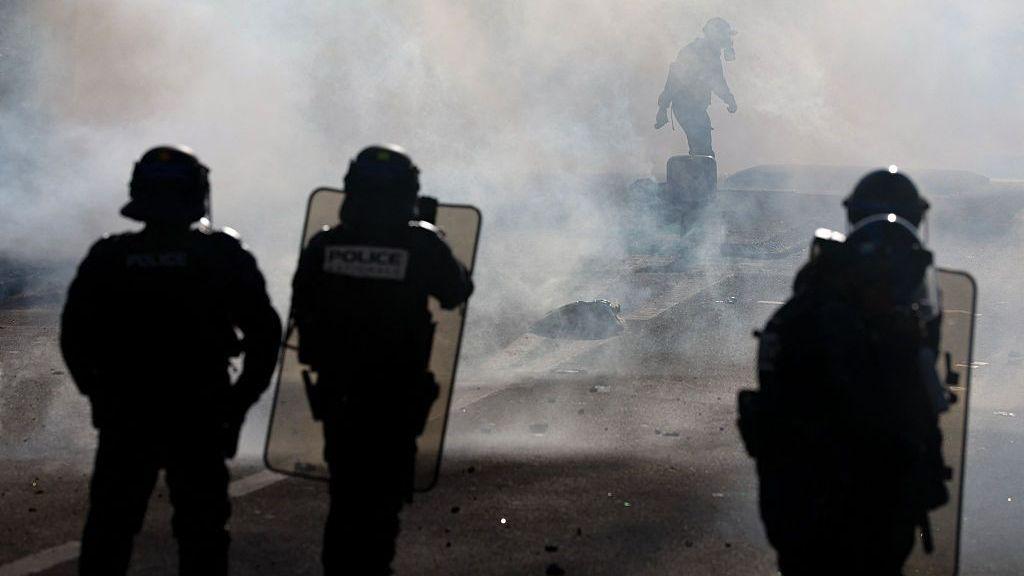
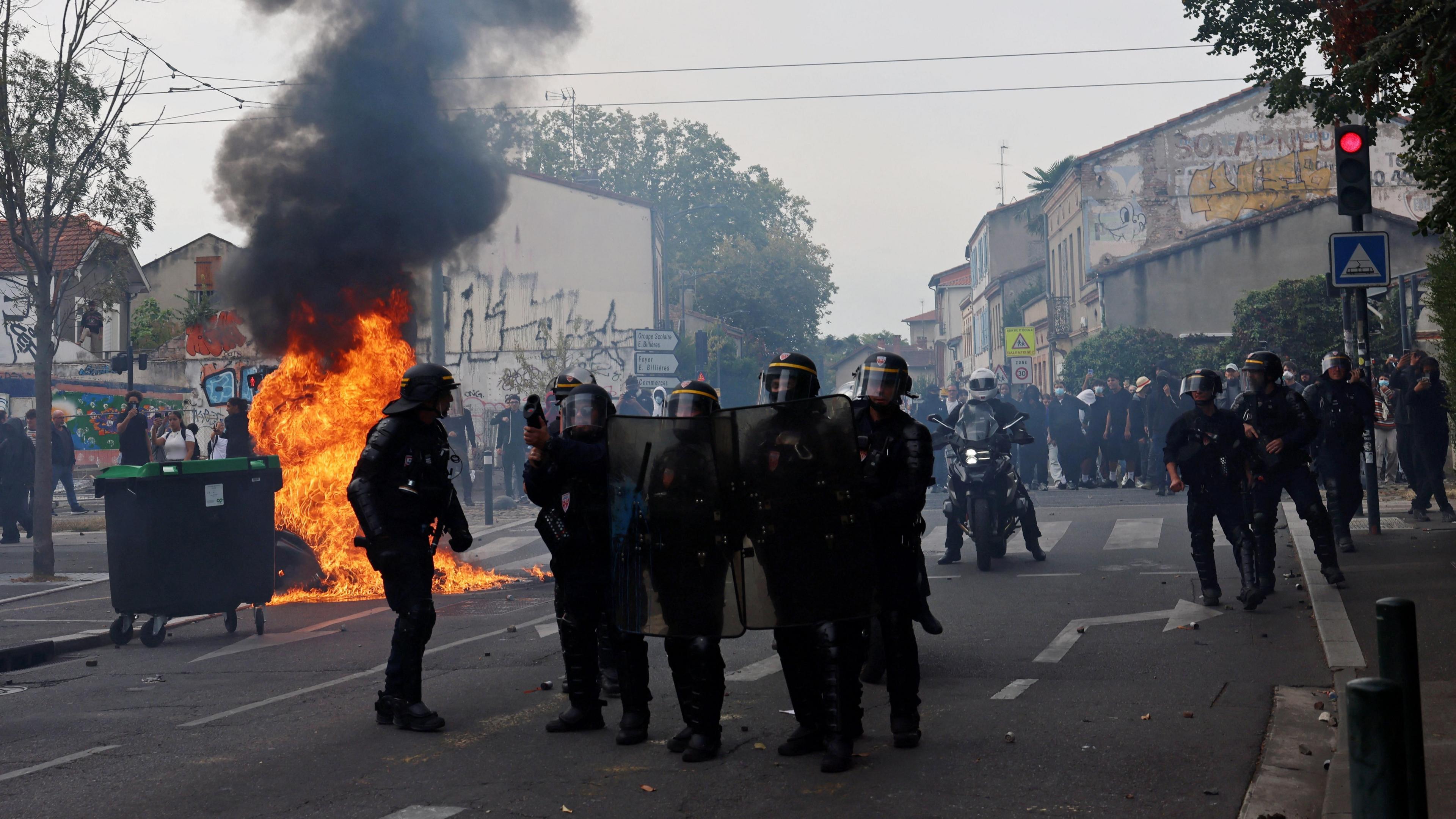
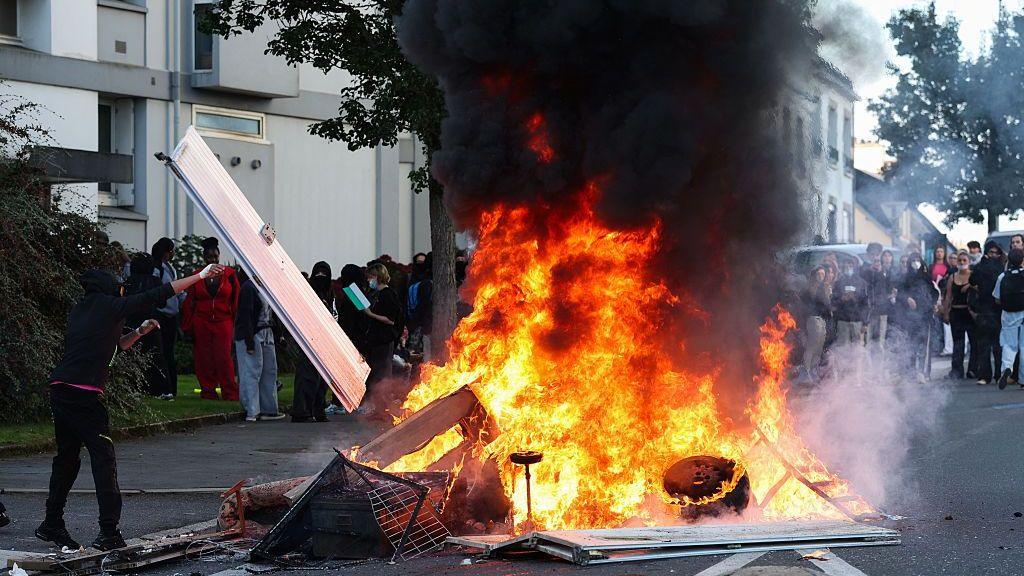
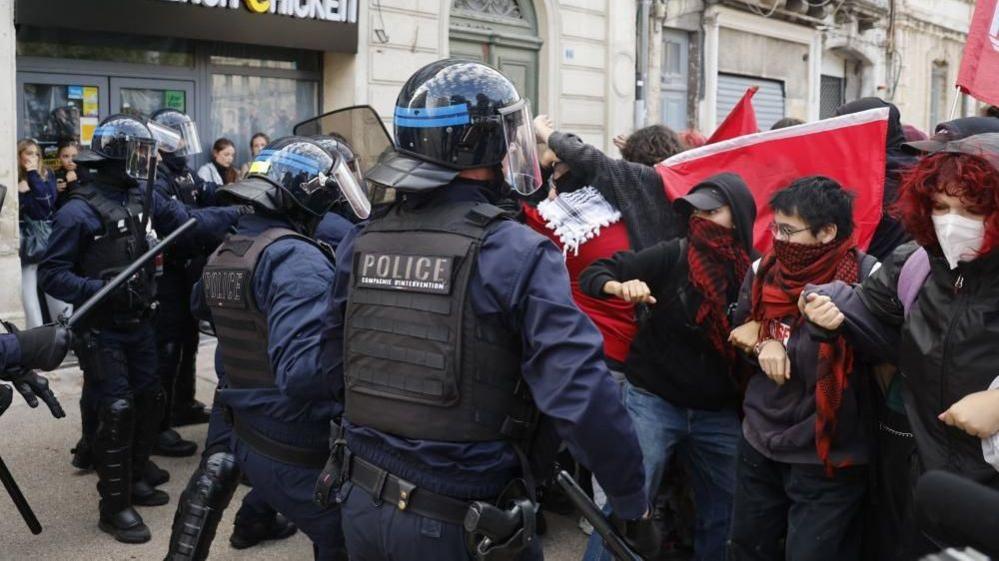
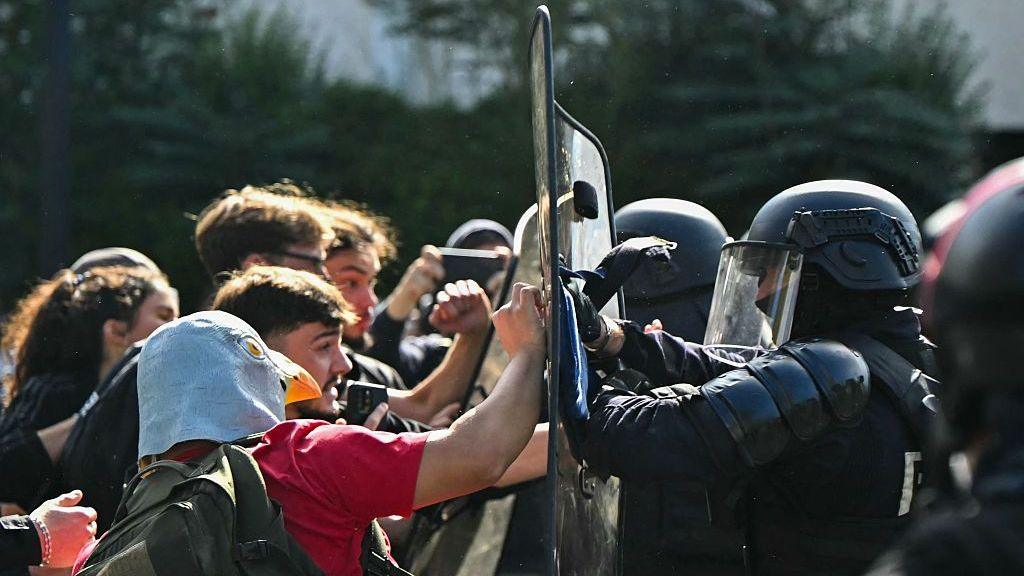
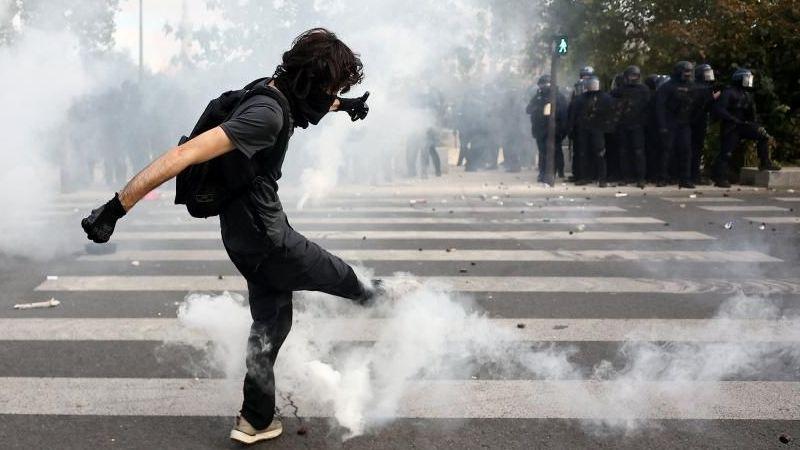
Police clashed with demonstrators in Lyon, used tear gas in Paris and Marseille and water cannon in Rennes, but the scale of violence was less than that of earlier protests.
Prime Minister Sébastien Lecornu condemned the earlier violence, noting that by the day of the protests 215 students and 85 staff had been hurt, alongside 715 police officers. He also warned that the France Unbowed (LFI) party was seeking to “sow chaos” ahead of the presidential election.
Government figures said 891 high schools were disrupted on the first day of protests – nearly a quarter of all lycées – while the students’ unions claimed 1,800 schools were blockaded during what they dubbed “Act Three” and that the number of demonstrators reached 450,000.
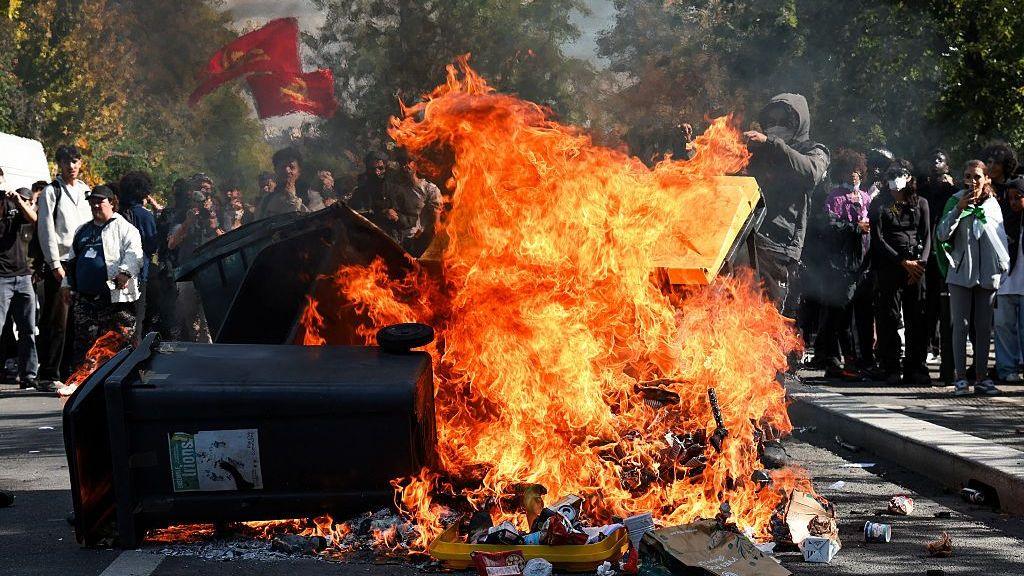
In Marseille, thousands of students marched briefly, chanting before moving on as police changed direction. A group of masked demonstrators grabbed bollards and bins to barricade themselves; riot officers fired tear gas, after which the protesters dispersed. “Most of us aren’t violent,” said Alissa, a student in Marseille. “We’re going to the streets because they’ve closed our schools… schools are falling apart.”
Alissa’s friend, Sacha, added that the ceilings in Marseille’s schools were leaking and conditions were generally poor, explaining why students had to limit classroom time. Both stressed that the movement would continue until meaningful measures were enacted.
Education Minister Édouard Geffray has pursued dialogue, offering a website for student grievances and an internal discussion day in schools, but the response has been muted. The CGT union has announced plans for further protests, indicating that the unrest is likely to continue.
Police force is a major point of contention. A 14‑year‑old named Eden was hit in the face by a tear‑gas grenade during a blockade in Saint‑Ouen‑l'Aumône, suffering broken teeth and a fractured jaw; prosecutors have charged the officer involved. Another incident involved a 15‑year‑old whose hand was severed after a “sting ball” grenade detonated near a school in Lens; the student claimed he was struck by an officer’s weapon.
As the protests surge across the country, French authorities face mounting pressure to address systemic educational challenges while managing public order. The situation remains fluid, with students and unions planning further demonstrations in the coming days.