In brief
Feliks, a young eastern imperial eagle, was taken from his nest in Serbia and sold to poachers in Syria. After months in captivity, Serbian conservationists and peacekeepers secured his release from a Lebanese wildlife centre. He was flown back to Serbia on a military plane, recovered in a zoo sanctuary, and released into the wild. The case illuminates the global fight against wildlife trafficking and the crucial role of citizen journalism in protecting endangered species.
In early 2024, a fledgling eastern imperial eagle named Feliks fled his nesting site in Serbia and was found by poachers in Syria. The poachers demanded a ransom that Serbian conservationists rejected, prolonging Feliks’s captivity.
A Long‑Haul Rescue
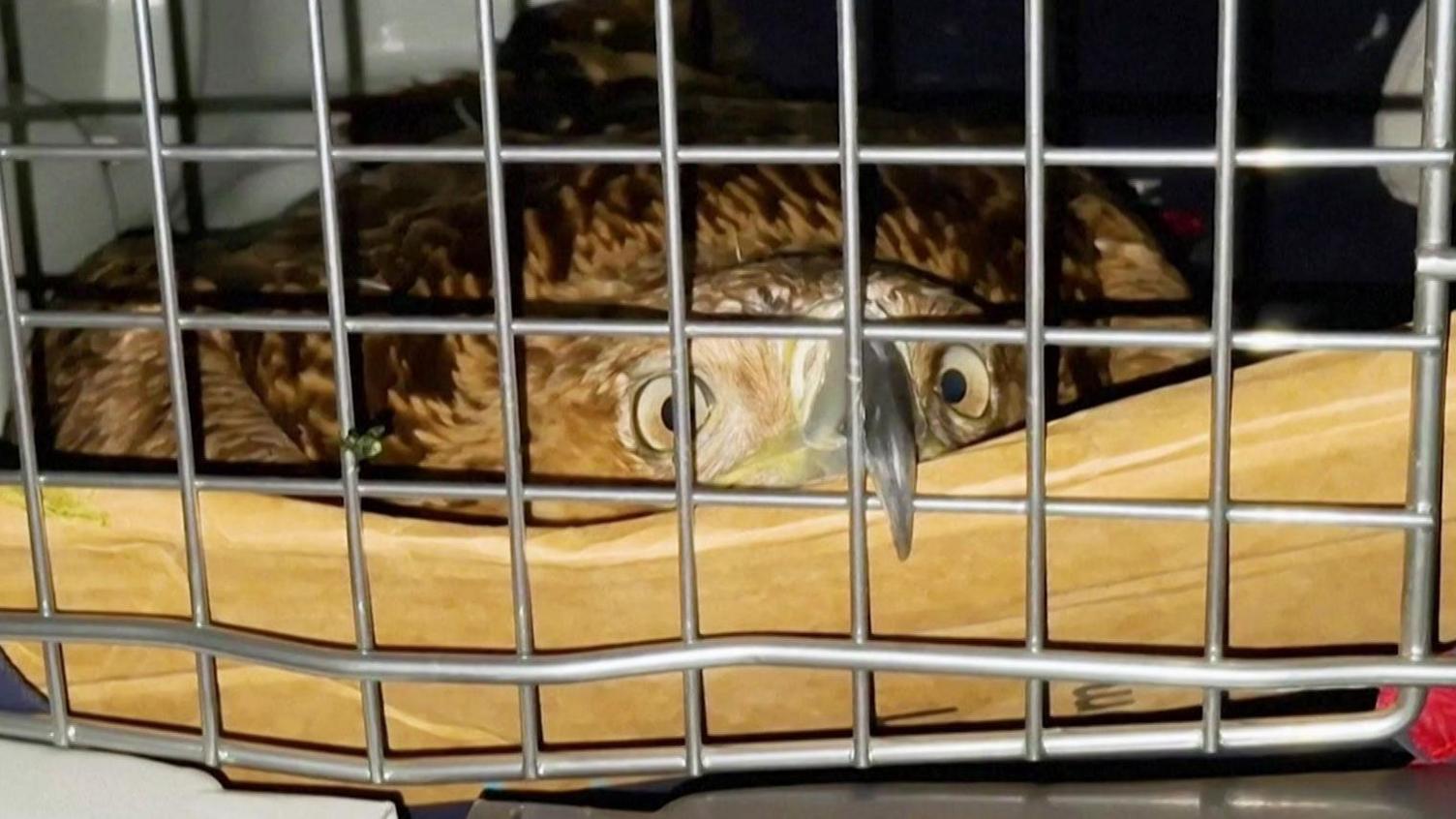
Negotiations kept Feliks in a Lebanese wildlife centre for more than six months, while scientists monitored his health in hopes of repatriation. In June, Serbian peacekeepers escorted him aboard a military transport plane back to Serbia, arriving exhausted at the Palic Zoo’s shelter.
Return to the Wild
After a month of careful recovery under zoo directors Sonja Mandić and Milan Ružić, Feliks was freed on Thursday. Experts will closely monitor his first weeks in the wild to gauge his adaptation to the natural habitat.
The Bigger Picture
The eastern imperial eagle is critically endangered; since 2017, Serbia’s population has grown from one pair to 29 pairs thanks to conservation efforts. Yet wildlife trafficking, especially in conflict zones, continues to threaten this species and the ecosystems they inhabit.
Feliks the eastern imperial eagle is now back in his native landscape, a testament to international cooperation and the urgency of protecting wildlife from illegal trade.