U.S. and Lebanon Shielding a Wanted Syrian General, BBC Finds
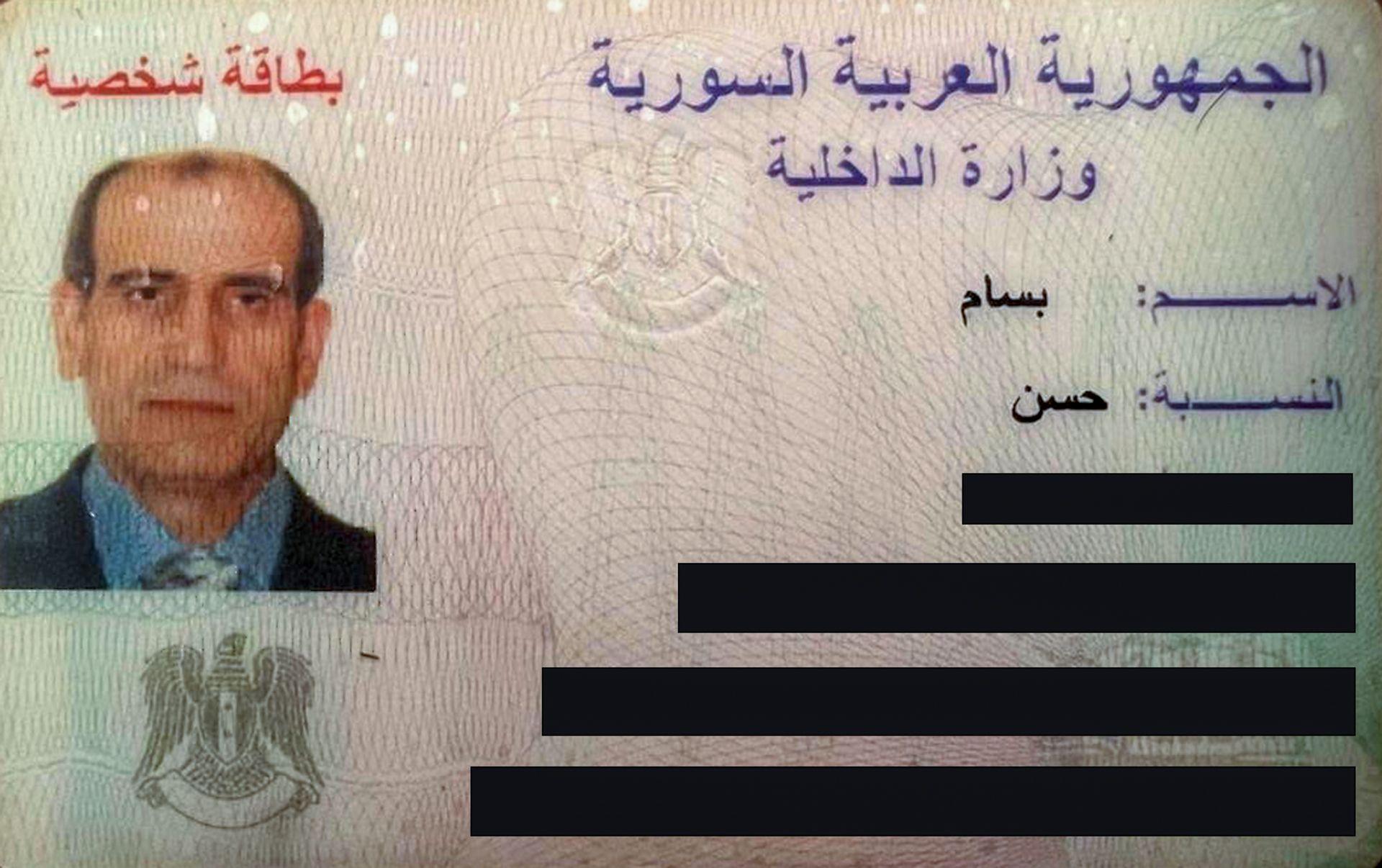
In a startling new investigation, the BBC report that a former Syrian general named Bassam al‑Hassan, who is wanted for crimes against humanity, is being protected and funded by both U.S. and Lebanese authorities.
Al‑Hassan, a senior adviser to former President Bashar al‑Assad and a key architect of Syria’s chemical weapons program, fled to Iran after the regime’s collapse in 2024 and ultimately settled in Lebanon under a controversial arrangement involving the FBI, CIA and Lebanese security officials.
The core of the deal, according to the BBC and U.S. broadcaster NPR, is al‑Hassan’s willingness to share details of the 2012 abduction of American journalist Austin Tice – a case the U.S. continues to investigate and which the BBC has documented as a pre‑planned operation within the Assad regime’s hierarchy.
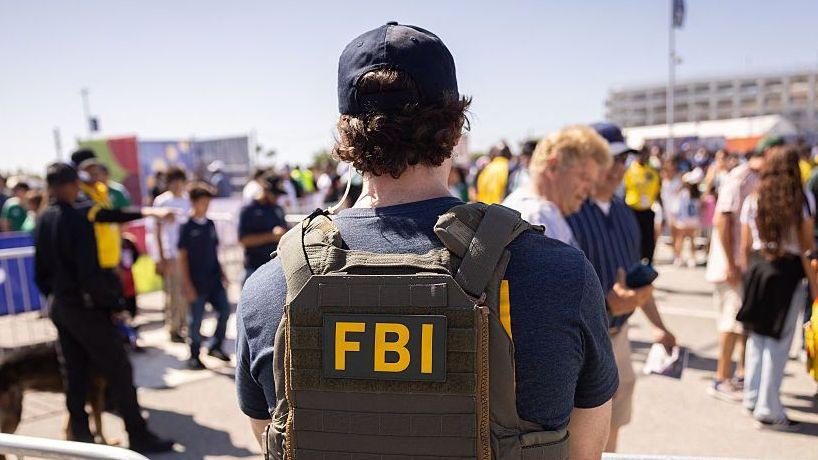
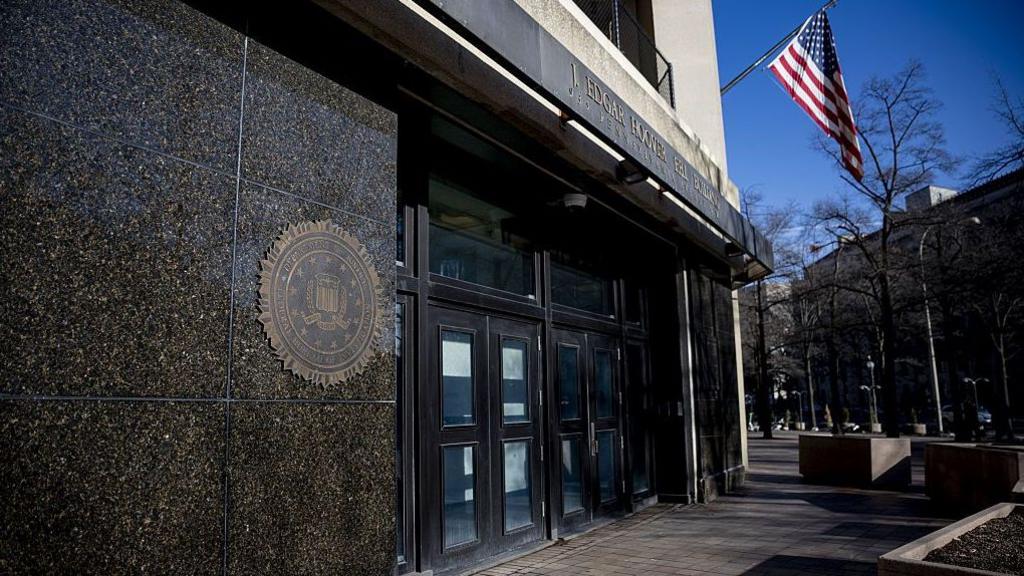
While Lebanese officials claim they want al‑Hassan returned to face trial, U.S. authorities insist that his continued presence and the information he can provide about Tice and Syria’s chemical program justify the protection. The FBI, however, offered limited comments, citing a focus on establishing facts around Tice’s disappearance and securing his return to the United States.
The Tice family’s reaction is stark: Phil Elwood, spokesperson for the family, said the use of taxpayers’ money to support a man implicated in chemical attacks on civilians was “offensive” and constitutes “aiding and abetting the escape of a wanted war criminal.”
Al‑Hassan’s arrangement appears part of a broader pattern, with other former regime officials believed to be sheltering in Lebanon or the UAE under similar U.S. patronage. Sources note that he receives payments through intermediaries, making the transactions harder to trace, and that the deal may continue indefinitely at significant cost but limited benefit in advancing the Tice case.
The BBC’s research shows that while al‑Hassan has offered a potential burial site for Tice, searches of that location found no remains, raising questions about the veracity of his claims. The investigation also indicates that U.S. agents halted the dig early, allegedly for security reasons, potentially compromising the search’s thoroughness.
Across the region, other key figures linked to the Tice disappearance – including former Syrian business associates and relatives of regime officials – are thought to be living abroad, further complicating efforts to bring the case to fruition.